Daredevil: The Hero Who Made Marvel Grow Up (Without Ever Leaving Hell’s Kitchen)
So… have you ever noticed how some superheroes “save the world” and others save a few city blocks—and somehow the second one feels more stressful? Daredevil lives in that second category. He’s not here for the galactic portal in the sky. He’s here because a kid is getting jumped two streets over, a witness is about to recant, and the guy with the badge might be the real problem. That’s the Daredevil brand.
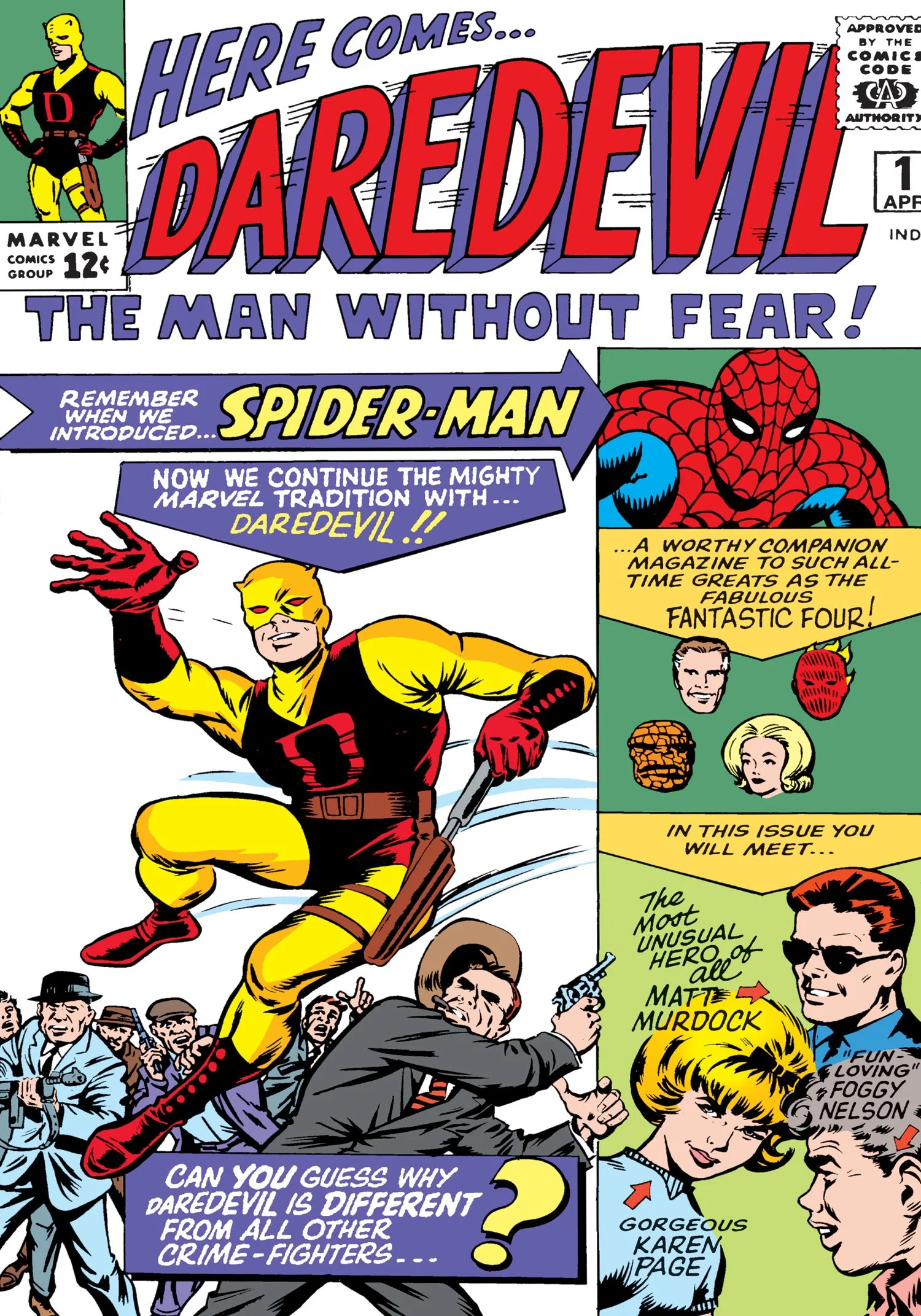
And it starts early. Daredevil #1 has a cover date of April 1964, written by Stan Lee and drawn by Bill Everett (with Jack Kirby influencing the cover concept). That’s the official launch of Matt Murdock: blind lawyer, Catholic guilt, radar sense, and a talent for making things harder on himself than they need to be. (If you’ve ever met someone who can’t take the simple path even when it’s right there, congratulations—you’ve met the spiritual cousin of Daredevil.)
Here’s the significant impact piece, and it’s deceptively simple: Daredevil helped Marvel prove that “street-level” doesn’t mean “minor.” It means consequences. In a lot of superhero books, you can feel the reset button hovering in the background. In Daredevil, the reset button is either broken or actively trying to ruin his life. Bad decisions echo. Enemies don’t disappear. And “winning” often looks like surviving with a little less innocence than last time.
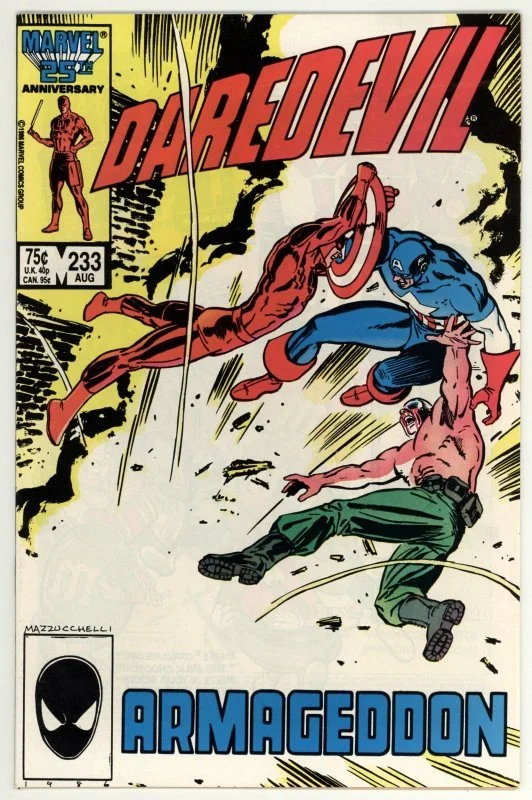
If you want the moment where that identity locks in, it’s “Born Again”—the 1986 arc that runs through Daredevil #227–233, written by Frank Miller and drawn by David Mazzucchelli. This story doesn’t just challenge Matt. It methodically dismantles him, tests what’s left, and then rebuilds him with a kind of grim clarity. It’s one of those arcs that doesn’t only define the character—it helps define what superhero comics can do when they stop chasing spectacle and start chasing meaning.
And once you understand that, the screen adaptations make a lot more sense—because Daredevil isn’t built for one big moment. He’s built for pressure over time.
The 2003 film Daredevil is basically a time capsule of early-2000s comic cinema: bold style choices, heightened melodrama, and a very specific kind of glossy grit. It’s written and directed by Mark Steven Johnson and stars Ben Affleck (Matt), Jennifer Garner (Elektra), Colin Farrell (Bullseye), and Michael Clarke Duncan (Kingpin). It’s imperfect, but it’s also important in the “Daredevil on screen” timeline because it keeps circling the same core tension: lawyer by day, vigilante by night, and a moral balance sheet that never quite adds up.
Then Netflix comes along and says: what if we treat Daredevil like crime prestige TV instead of a two-hour fireworks show? That’s why the Netflix series landed so hard for so many fans—it leans into the long-haul damage, the slow-burn dread, and the physicality of fights that look exhausting instead of cool. Daredevil isn’t supposed to look effortless. He’s supposed to look like he’s paying for every inch.
wearecritix
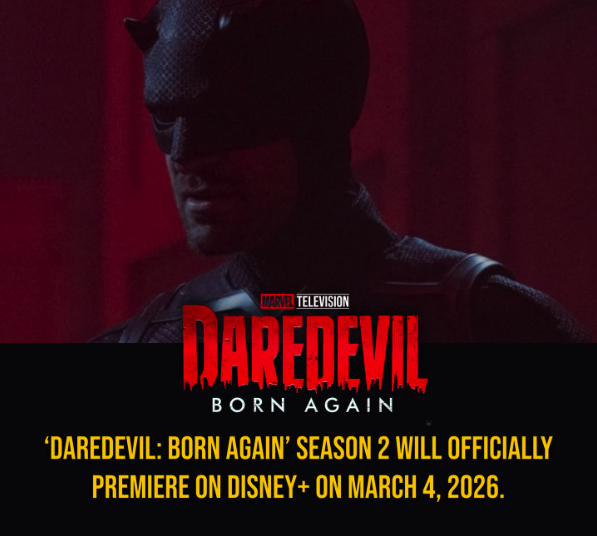
And now we’ve got the Marvel Studios continuation with Daredevil: Born Again, which premiered on Disney+ on March 4, 2025, with Season 2 set for March 24, 2026. The title nods to the famous comic arc, but the broader point is bigger: Marvel clearly wants Daredevil as the anchor of its grounded corner—the part of the universe where the villains are human, the institutions are compromised, and the hero can’t punch his way out of a moral dilemma.
Now, if you’re a reader (or a collector who likes to pretend they’re “only collecting,” while somehow ending up with three copies of the same issue), the comic standouts fall into a nice, sensible progression:
You start with the historical foundation: Daredevil #1 (April 1964). It’s the origin of the character and, collector-wise, it’s the obvious anchor point. Then you jump to the run that defines the modern “Daredevil tone”: “Born Again” (Daredevil #227–233). And if you want an origin retelling that feels more modern in its storytelling posture, Daredevil: The Man Without Fear is the bridge a lot of people take—cleaner, tougher, and very aware of what Daredevil became in the decades after 1964.
Closing Thoughts
Let me return to a foundational rule that applies whether you’re reading, collecting, or doing that thing we all do where we “research” for two hours and accidentally buy something: go where you understand the appeal. With Daredevil, the appeal is rarely about power-levels. It’s about endurance. It’s about a hero who keeps showing up when it would be rational not to. And honestly, that’s why the character has had such staying power: the world always has another Hell’s Kitchen.