Do Superhero Movies Really Sell Comic Books?
Have you ever bought a comic book because a movie trailer dropped?
I have. And I’m guessing many collectors have too.
A character appears in a post-credit scene, a studio announces a casting choice, or a trailer gives us two seconds of a villain’s helmet in shadow, and suddenly everyone remembers the same book at the same time. The first appearance. The origin issue. The villain key. The “rumoured to be important” cameo book that was sitting in dollar bins six months earlier.
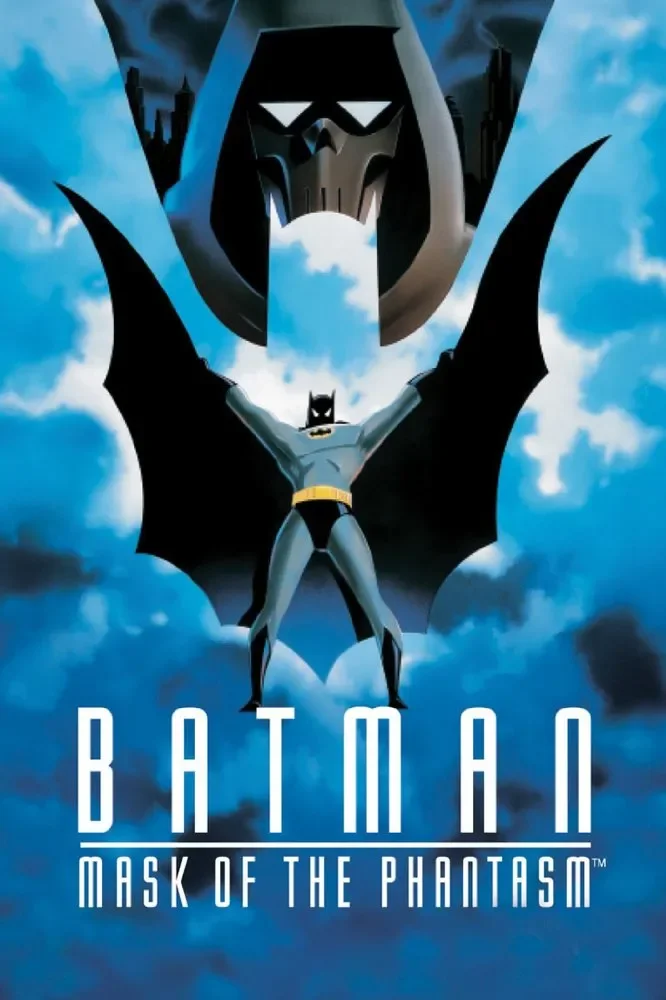
But here is the uncomfortable question: do superhero movie releases actually increase comic book sales, or do they simply increase comic book attention?
The answer is yes, no, and it depends which comic book market we are talking about.
There Are Really Two Markets
When collectors talk about “comic book sales,” they often mix together two very different things.
The first is the new comic book market: monthly issues, trade paperbacks, graphic novels, and collected editions sold through comic shops, bookshops, online retailers, and digital platforms.
The second is the back issue and graded comic market: older books, key issues, first appearances, CGC slabs, auction results, eBay sales, Heritage results, and sales tracked by tools such as GPAnalysis. GPA’s relevance is obvious here because it records sales of CGC graded comic books from a range of online venues, giving collectors a way to compare real recorded sales rather than simply relying on asking prices.
Movies affect these two markets very differently.
A successful film may not make a casual cinema-goer walk into a comic shop every Wednesday. But it can absolutely make collectors search for the character’s first appearance, first cover appearance, first solo series, or a major storyline connected to the movie.
That distinction matters.
The Movie Bump Is Usually Strongest Before the Movie
The strongest price movement often happens before release, not after.
The usual cycle looks something like this:
A rumour appears. Then a casting announcement follows. Then the first trailer confirms the character. By the time the movie actually arrives, many collectors have already bought the book they wanted. In other words, the comic market often prices in the movie before the public has even bought a ticket.
This is why a movie release can feel strange. A film can be a box-office success while the related comic cools down. That does not mean the movie had no effect. It may simply mean the effect happened during the speculation window.
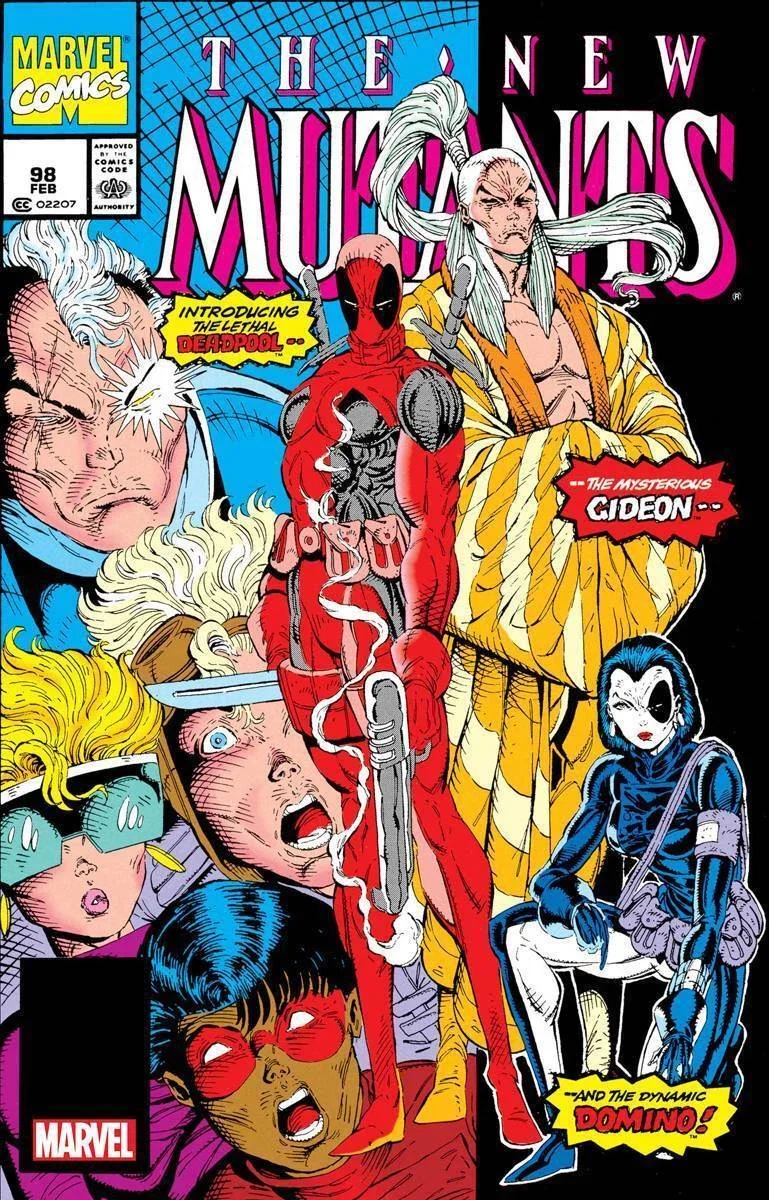
Deadpool is a useful example. CGC highlighted New Mutants #98, Deadpool’s first appearance, ahead of Deadpool 2 in 2018, noting both the movie release and sales examples for CGC copies in prior years. The same CGC article recorded 14,488 graded copies as of April 10, 2018, showing that this was not an obscure book hiding in the shadows; it was already a heavily recognised modern key.
That is the movie effect in miniature. The film did not create Deadpool’s collectability out of nothing. It amplified it.
First Appearances Win the Attention Battle
When a superhero movie enters the conversation, collectors usually do not chase everything equally.
They chase hierarchy.
The first appearance gets the cleanest attention. Then the first full appearance, first cover appearance, first solo title, first team appearance, major villain appearances, and recognised story arcs follow behind. The further a book sits from the character’s core mythology, the more fragile the movie bump becomes.
This is why Fantastic Four #52, the first appearance of Black Panther, became such an obvious book to watch when Black Panther moved from comic character to global film icon. CGC’s January 2018 feature on the book noted 2,618 graded copies as of December 26, 2017, five CGC 9.8 copies, and a CGC 9.8 Heritage sale of $83,650 from February 2016.
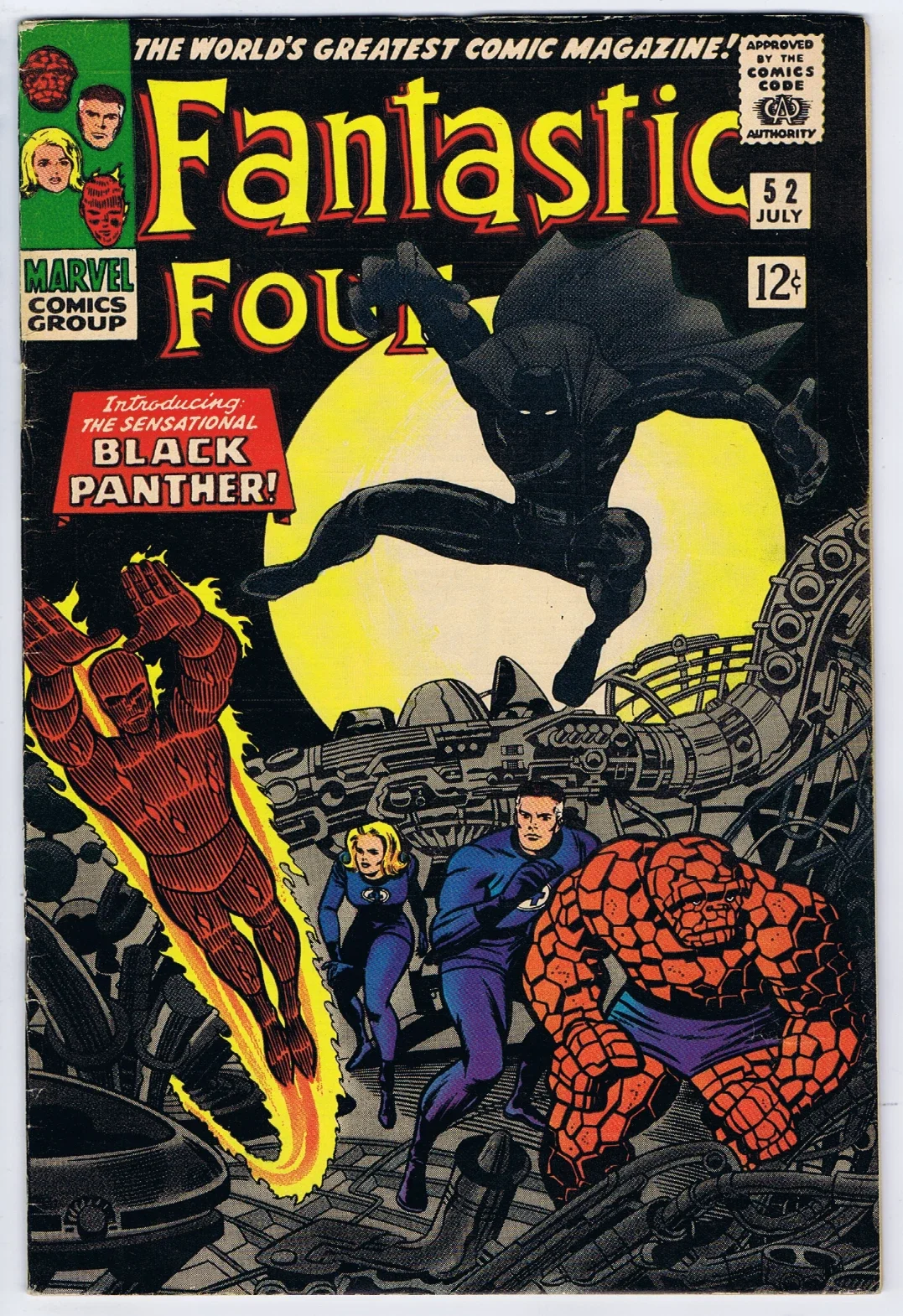
Again, the film did not invent the importance of the book. Fantastic Four #52 was already a Silver Age key. The movie widened the audience of people who understood why it mattered.
And that is the pattern collectors should pay attention to. Movies are strongest when they shine a brighter light on a book that already has comic-book significance.
New Comic Sales Are a Different Story
Here is where the correlation gets messy.
Superhero films are massive cultural events, but that does not automatically mean new monthly comics sell in the same proportion. The North American comics and graphic novel market has grown substantially over time, but the growth is not simply a straight line from “movie success” to “monthly comic success.”
Comichron’s historical data shows the overall North American market at around $940 million in 2015, $995 million in 2016, $925 million in 2017, $995 million in 2018, and $1.12 billion in 2019. Those years include enormous superhero film activity, but the sales pattern is uneven rather than a clean movie-driven climb.
More recently, ICv2 estimated the U.S. and Canadian comics and graphic novel market at around $1.94 billion in 2024, up 4% from 2023 and 73% above 2019. That is impressive, but ICv2 also notes that format, channel, pricing, comic-store trends, graphic novels, and manga all play major roles.
So, do movies help? Yes, but not always in the simple way collectors imagine.
A movie can make a character famous without making their current monthly title a bestseller. A viewer may love Iron Man, Spider-Man, Black Panther, or Deadpool on screen and still never buy a floppy comic. Sometimes the movie becomes the destination, not the gateway.
Michael Uslan put the concern bluntly in the Los Angeles Times, arguing that modern superhero movies may be replacing comics more than rescuing them. The same article notes that interest can rise when a film connects closely to a specific comic storyline, such as Logan and Old Man Logan.
That feels right. Specificity sells better than general popularity.
The Best Correlation Is Not “Movie = Price Rise”
The better formula is:
Movie relevance + comic significance + limited supply + collector confidence = stronger sales correlation.
Take away one of those pieces and the effect weakens.
A character can appear in a movie, but if the comic is common, already expensive, loosely connected, or tied to a poorly received film, the result may be flat or short-lived. On the other hand, a genuinely important key with a clear connection to a beloved character can keep benefiting long after the release window closes.
This is where CGC Census data matters, but only if used carefully. Census numbers tell us how many copies have been graded, not how many raw copies exist, how many are being held tightly, or how many collectors are waiting to sell. The Collector Hub has previously treated CGC Census and GPA recorded sales as related but different tools, which is exactly the right approach: population data gives supply context, while recorded sales show what buyers actually paid.
A rare book with little demand is just a quiet book. A common book with massive demand can still move. A rare book with massive demand is where things get interesting.
The Danger of Buying the Peak
The riskiest time to buy a movie-related comic is often when everyone agrees it is important.
That sounds backwards, but it is usually true.
By the time the trailer has dropped, the YouTube channels have made their lists, the auction descriptions mention “movie coming soon,” and sellers have updated their listings, the easy money may already be gone. The buyer is no longer early. They are buying from someone who was early.
This does not mean the book is bad. It means the timing may be bad.
A great comic bought at the wrong price can still be a poor purchase. A minor comic bought cheaply before the crowd arrives can be a wonderful flip. The movie does not remove the need for discipline; it makes discipline more important.
So What Should Collectors Watch?
The smartest collectors do not ask only, “Who is in the next movie?”
They ask better questions.
Is this the character’s true first appearance? Is the book already recognised outside the movie rumour? How many graded copies exist? Are recent recorded sales rising in both price and volume, or just one odd sale? Is the movie likely to introduce a long-term character or a one-film cameo? Is the book affordable because it is overlooked, or cheap because nobody actually cares?
Most importantly: would collectors still want this comic if the movie disappeared tomorrow?
That question cuts through a lot of noise.
Final Thought
Superhero movies and related comic book sales are correlated, but the relationship is not mechanical.
Movies create attention. Attention creates searches. Searches create sales. Sales create new price expectations. But after that, the comic has to stand on its own.
The best movie-related books usually had something going for them before Hollywood arrived: a first appearance, a major creator, a historic moment, a classic cover, a low census, or a character with staying power. The movie simply gave more collectors a reason to look.
And maybe that is the real lesson.
Hollywood can introduce the crowd to the book, but it cannot make the book important forever.