Why pulps, pre-code books, and early foundations still hold weight in a superhero-led market
Source:GPAnalysis.com, sales recorded from April 7–20, 2026.
The comic market may be driven by superheroes, but it is not built on them alone.
In the latest GPAnalysis fortnightly data, the Platinum/Golden Age eras (1930s–1950s) generated $266,349 in top-five title sales. That is well behind the Silver and Bronze eras, but it is still meaningful money flowing into books far outside the usual modern superhero spotlight.
That matters because it shows the hobby still rewards depth.
The 1930s leaderboard was filled with books like Weird Tales, Astounding Stories, Funny Picture Stories Supplement, and Wonder Stories. The 1940s and 1950s introduced titles such as Planet Comics, Classic Comics/Classics Illustrated, Crime SuspenStories, Shock SuspenStories, and Weird Science, alongside better-known pillars like Detective Comics, Batman, Action Comics, and Showcase.
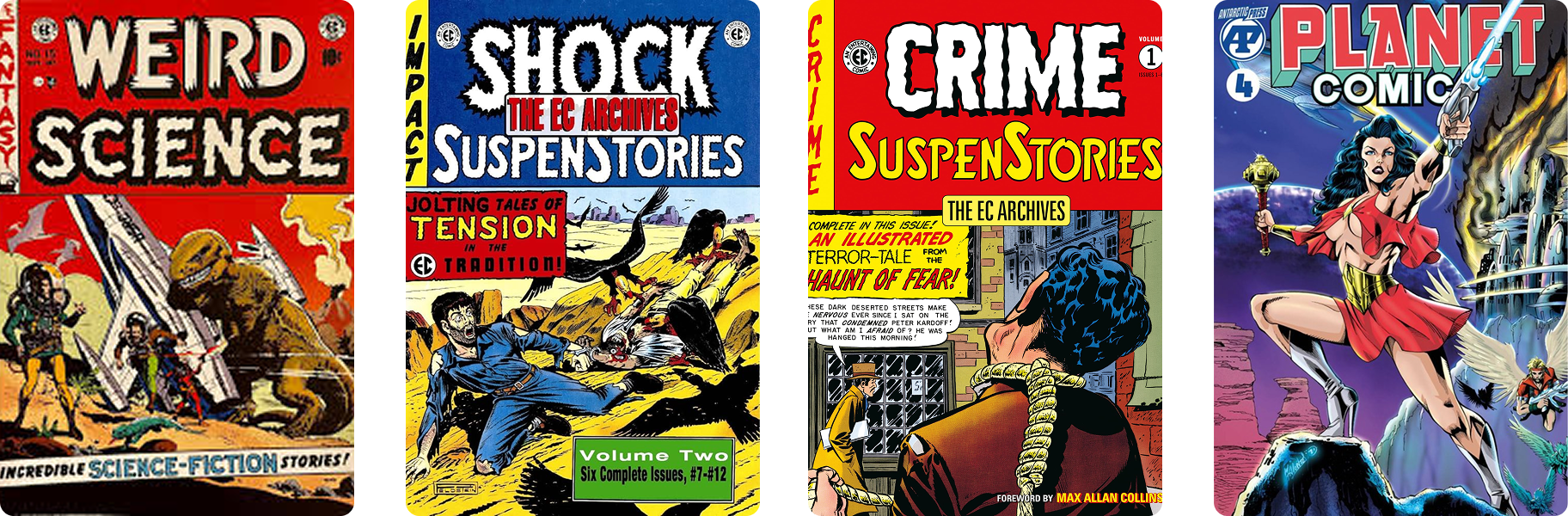
This is not trend-chasing. It is collector behaviour.
These books move for different reasons than the usual superhero keys. They carry age, scarcity, format history, and a sense of connection to the medium before capes became its default language. They are often bought not just as comics, but as artefacts — pieces of pulp history, pre-code tension, genre storytelling, and early publishing experimentation.
That gives them a different kind of strength.
Pre-hero material does not need to dominate volume to matter. Its value is often in seriousness rather than speed. These books tend to reward knowledge, patience, and historical interest more than hype. In a market shaped by movie chatter, hot first appearances, and fast-moving modern books, they offer something slower and harder to replace.
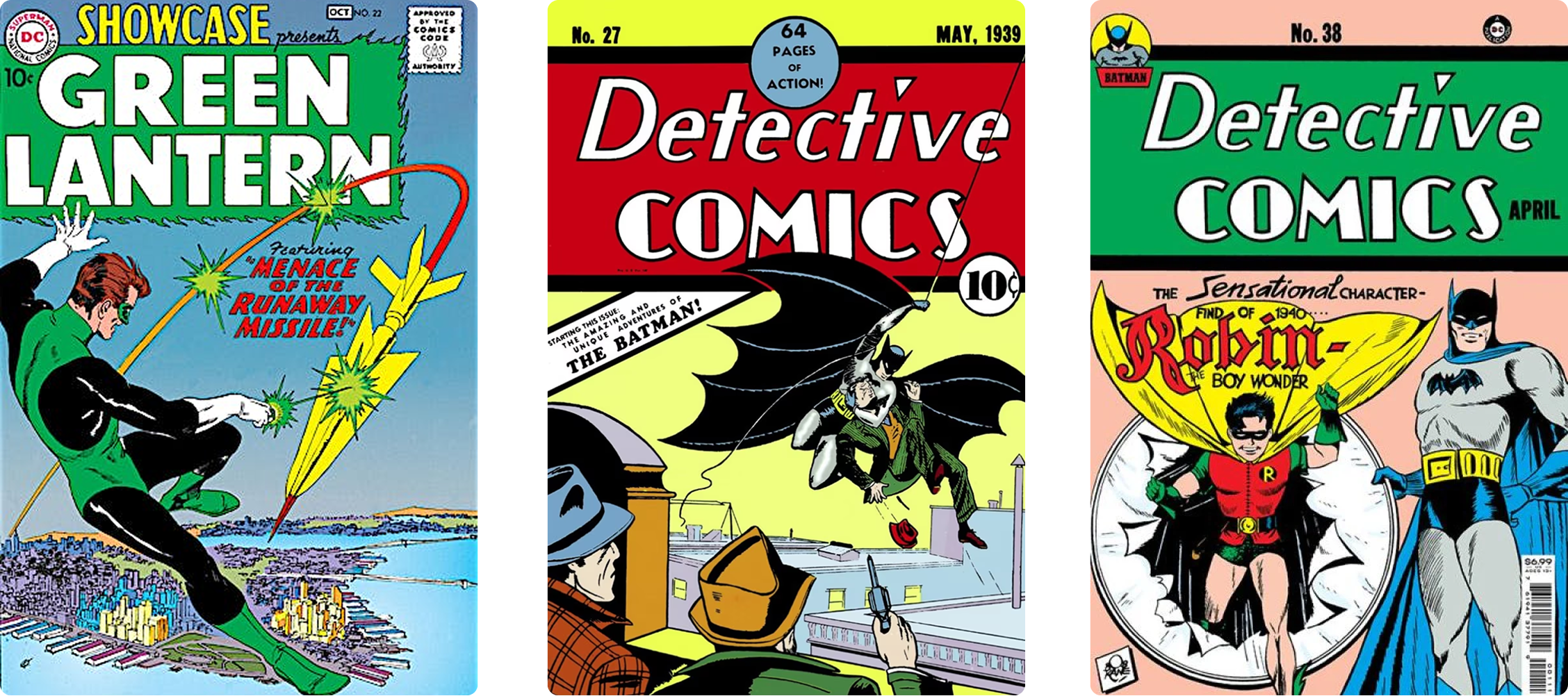
They also make the market broader.
Without this layer, the hobby becomes too narrow — just a loop of familiar franchises, key debuts, and adaptation-fuelled spikes. Pre-hero material pushes against that. It keeps the market connected to horror, science fiction, detective fiction, educational comics, and the stranger edges of comic history that existed before superheroes took over the frame.
That is what this fortnight’s data reflects.
Even in a market led by Spider-Man and modern momentum, collectors still put real money into pulps, pre-code books, Golden Age foundations, and early-format material. These books may not move with the same velocity, but they continue to hold attention because they carry something the louder parts of the market do not: historical gravity.
Final Panel
The latest GPAnalysis data shows a market still led by superheroes, but not limited to them.
Beneath the louder movement of Marvel and DC keys, collectors continued to reward pulps, pre-code books, Golden Age landmarks, and early material that speaks to the medium's wider history.
That is a healthy sign. Because the strongest comic market is not one that only rewards the loudest books. It is one that still values the old, the strange, and the foundational.
Pre-hero material may not own the fortnight. But it still holds its ground.