Behind the Panels — The Unsung Heroes of Comic Book Creation
Comic books are often celebrated for their colorful splash pages, iconic heroes, and captivating story arcs. The spotlight usually falls on the marquee names: the writer whose story weaves through the panels, or the artist whose style defines a generation. But for every comic that hits the shelves, there’s a behind-the-scenes army making it happen — the unsung heroes whose fingerprints are on every page, even if their names aren’t on the cover.
This is their story.
The Dream Begins: Writing the Script
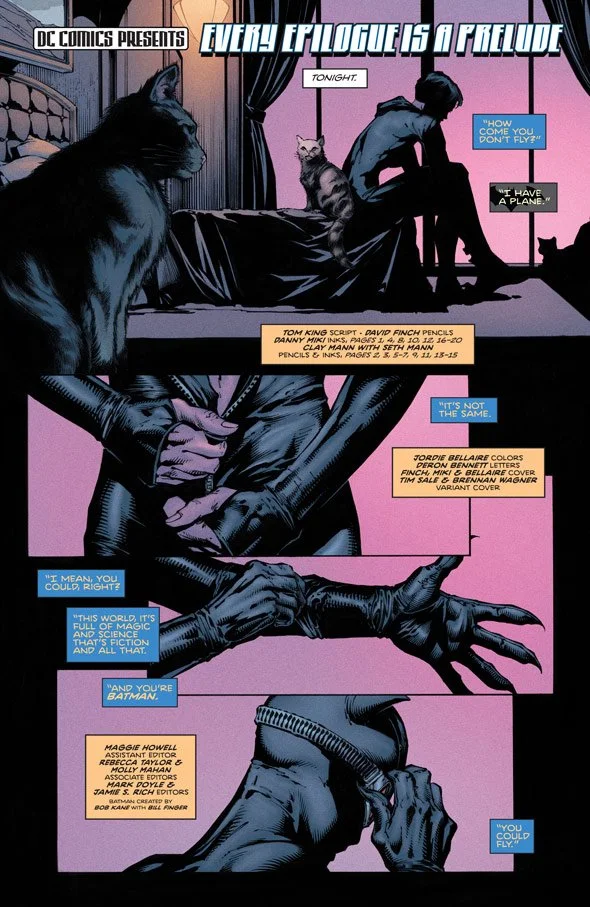
At the heart of every comic is a script. Not just dialogue, but panel-by-panel descriptions, camera angles, emotional beats — it's a cinematic blueprint. While a writer might get name-checked in solicitations, what often goes unnoticed is how collaborative this phase really is.
Writers don’t work in isolation. They’re emailing back and forth with editors, bouncing ideas off artists, and sometimes rewriting scenes entirely when a penciller finds a better way to stage the action. These scripts don’t just guide the story; they must inspire the rest of the team to see the story before a single pencil hits paper.

you don’t read comics
Pencils, Inks, and Everything in Between
We tend to group these together when discussing comic art — “penciller” and “inker” — but these are distinct, nuanced crafts.
Pencillers are architects of storytelling, planning layout, pacing, and expression with precision.
Inkers refine those blueprints, giving the art its final structure and tone. A good inker doesn’t just trace — they enhance, spotlight, and sometimes rescue panels that didn’t quite land.
These artists rarely receive the same accolades as their flashier cover-artist counterparts, yet they are the ones doing the grunt work of visual storytelling, often under punishing deadlines.
Colourists: Emotion in Every Hue

multiversity comics
Want to know who sets the emotional tone of a comic? Look to the colourist.
While many readers might not consciously notice the colourist’s work, they’d definitely notice their absence. A colourist can make a nighttime alley feel threatening or nostalgic, give heat to an explosion, or coldness to a betrayal — all with a palette choice.
Their challenge? Working last in the chain, they’re often under the tightest time constraints, and yet, their work defines the final mood of the book. Still, their names are often buried in the credits
Letterers: The Invisible Voice
Done right, lettering should be invisible — and that’s part of the problem. We forget someone meticulously placed every word balloon, sound effect, and narration box.
But bad lettering? That gets noticed. Instantly.
Letterers shape the rhythm of how we read. They decide where your eye goes next, when to pause, and how loud a “THWACK” hits your ears. Good lettering is intuitive, musical even — and essential. These quiet craftspeople shape how we hear the comic in our heads.
slate
Editors: The Air Traffic Controllers
If the comic creation process is a chaotic orchestra, editors are the conductors. They juggle deadlines, ensure consistency across titles, give feedback on pacing, plot holes, and — yes — call out when a costume is the wrong color or a character uses the wrong hand.
They’re also the ones calming panic when the art is late, the script needs rewrites, or someone misread the page count. Editors catch mistakes before you do and carry the mental load for the entire creative team.
Production Designers and Pre-Press Teams
Once a comic is “done,” it’s not done.
Production designers make sure everything is print-ready. They prepare files, adjust colors for different paper stock, and catch errors before printing costs start ballooning. If you’ve ever marveled at how crisp a final issue looks in your hand — thank the person in production who stayed late to fix a DPI issue no one else noticed.
The Freelance Life: Feast, Famine, and Passion
Most of these professionals are freelancers. That means no job security, no paid vacation, no health insurance — and sometimes, no guarantees their invoices will be paid on time.
They do it anyway.
Not because it’s easy. But because they love it. Because they believe in stories. Because they once fell in love with a comic book — just like you.
Final Thoughts: Give Credit Where It’s Due
When we slab comics, chase first prints, and obsess over variant covers, let’s not forget what’s underneath it all: people. People who drew through injuries, who lettered into the night, who coloured during power outages, who took editorial calls during their kid’s soccer game.
The next time you pick up a comic, flip to the credits page. Learn the names. Google the colourist. Follow the inker on social media. Support their other projects.
Because without them, your favorite hero would still be trapped in a script — unseen, uninked, and unheard.