What do four teenage turtles and a universe of Marvel superheroes have in common? During the latest fortnight of CGC-graded comic sales, considerably more than you might expect.
Between November 3 and November 16, 2026, GPAnalysis recorded two remarkably similar results among the highest-selling titles from the 1980s.
Teenage Mutant Ninja Turtles (1984–1993) generated $66,737 in sales, while Marvel Super Heroes Secret Wars (1984–1985) finished at $66,696.
The difference was just $41.
That narrow margin placed Teenage Mutant Ninja Turtles second in the decade's sales rankings, with Secret Wars immediately behind in third. Both finished some distance behind Amazing Spider-Man, which led with $138,044.
But what makes this result interesting isn't simply how close the two titles finished. It's how differently they performed when we examine trading volume, individual issues and their respective places in comic book history.
Source: GPAnalysis.com, sales recorded from November 3–16, 2026.
Just $41 Apart.
Teenage Mutant Ninja Turtles and Marvel Super Heroes Secret Wars delivered one of the closest contests in the entire dataset. Their sales totals were almost identical, yet their trading profiles looked very different.
Just 0.06% of TMNT’s sales total separated the two titles.
TMNT and Secret Wars accounted for 39.2% of the 1980s’ combined Top Five title sales.
Teenage Mutant Ninja Turtles
TMNT generated the slightly higher sales total, finishing second in the 1980s behind Amazing Spider-Man. What makes that result especially interesting is that the title did not appear among the decade’s five most-traded titles.
Marvel Super Heroes Secret Wars
Secret Wars finished just $41 behind TMNT in title-level sales. Unlike TMNT, it also ranked third by title-level trading volume, and Secret Wars #8 was the most-traded individual issue from the 1980s.
The $41 gap is the hook, but the real story is the contrast behind it. Secret Wars ranked higher in trading activity and supplied the decade’s most-traded issue, while TMNT generated slightly more in total sales without appearing in the volume Top Five.
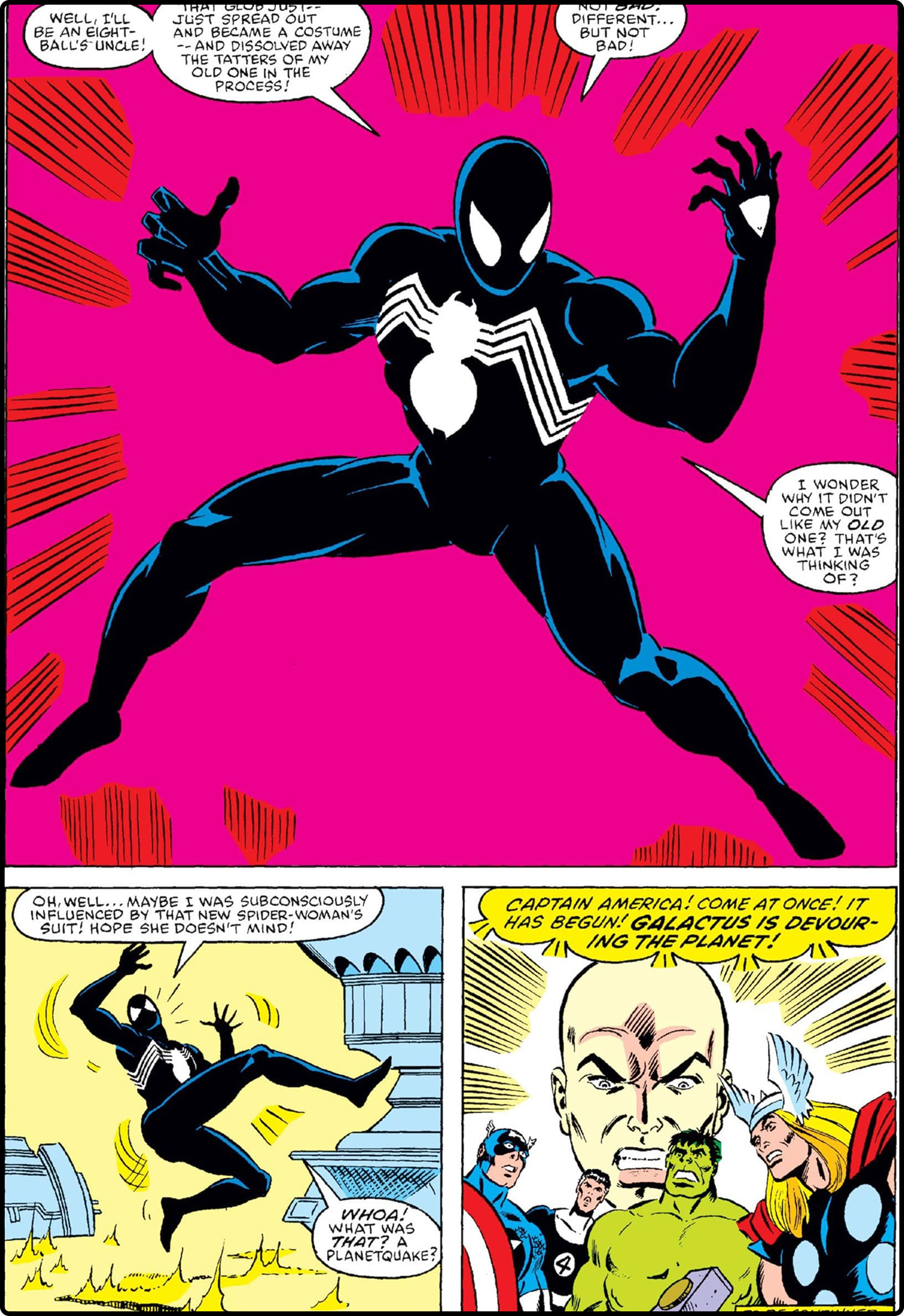
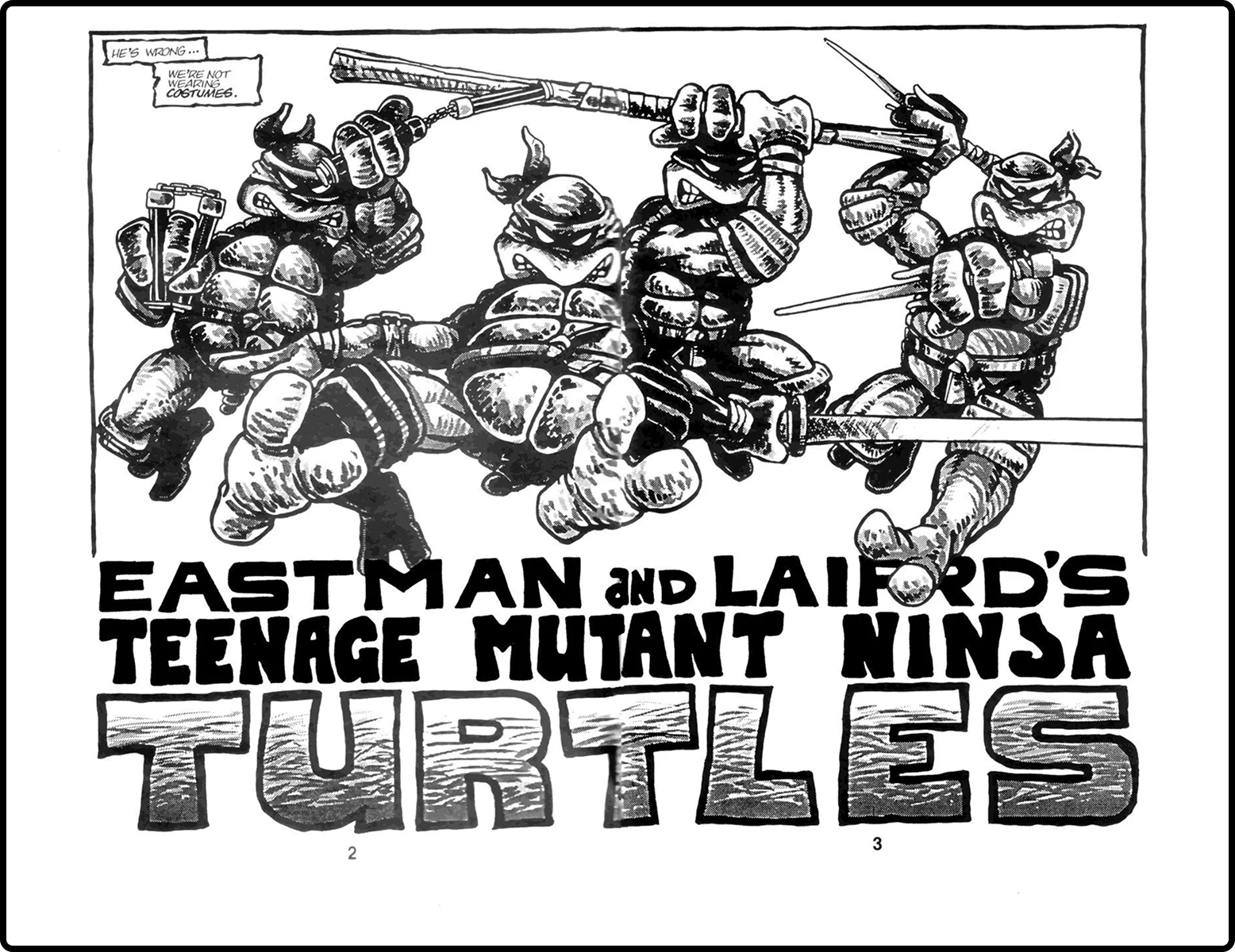
Two Very Different Beginnings
Although both titles emerged in 1984, they represented two very different approaches to comic book publishing.
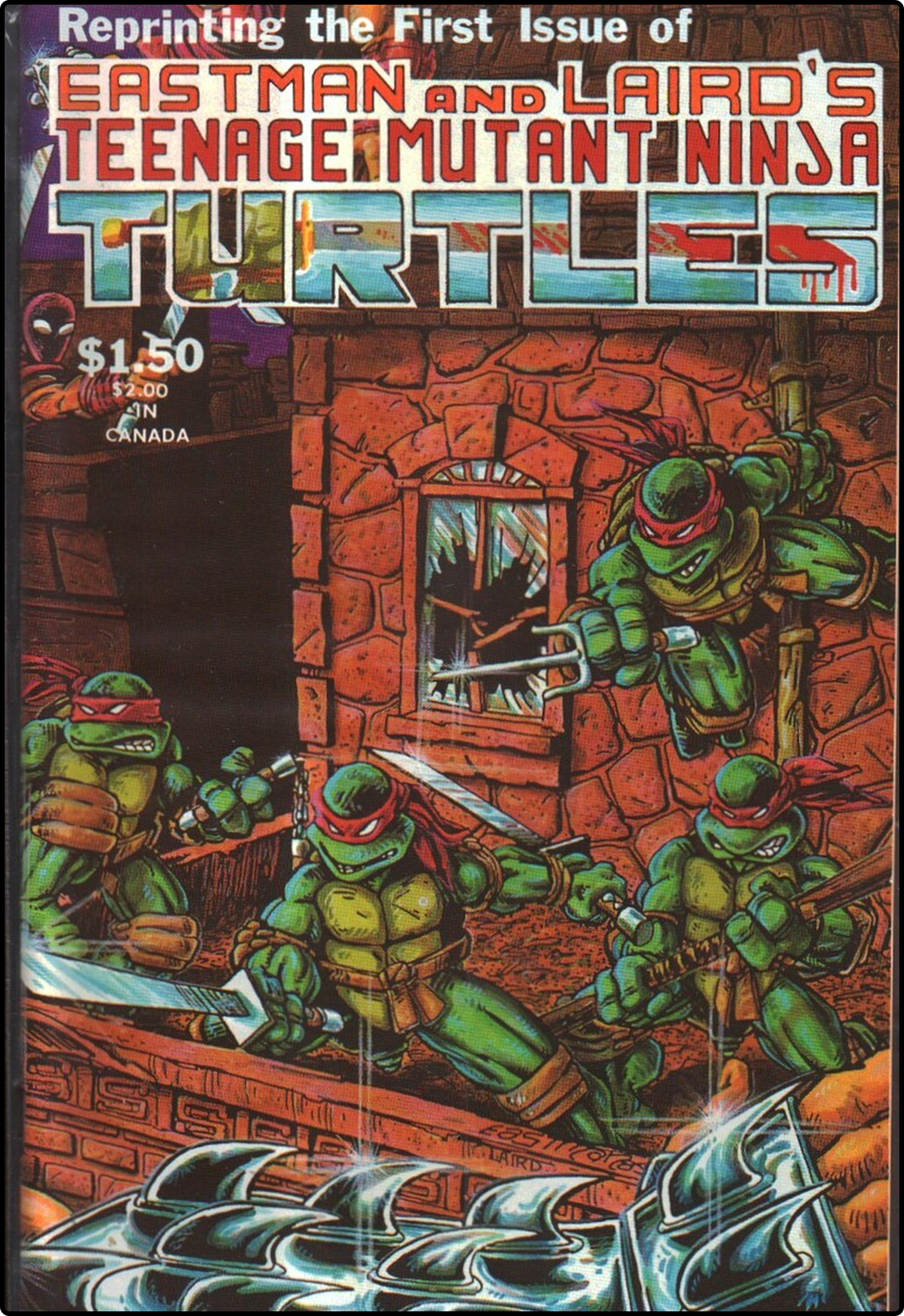
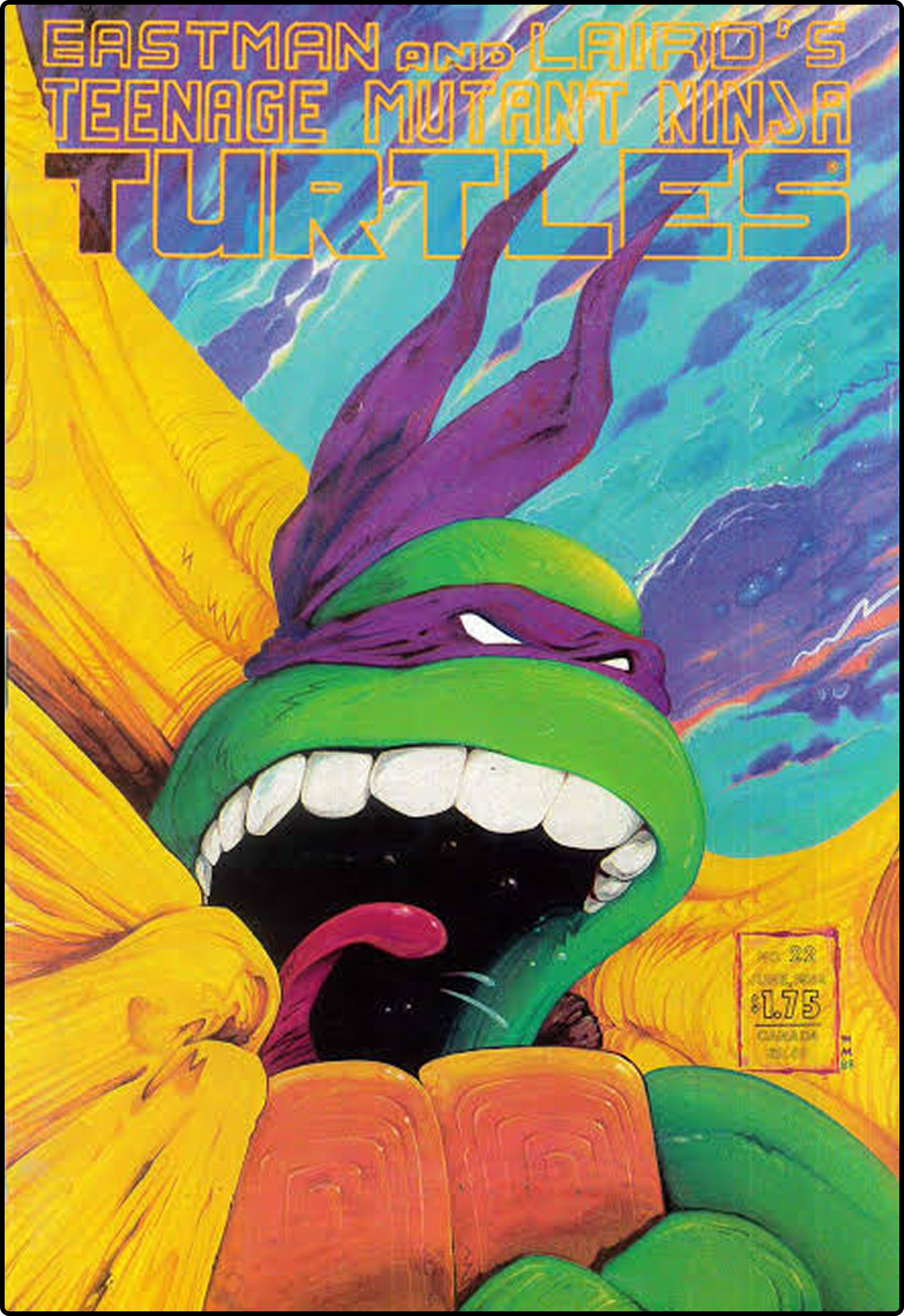
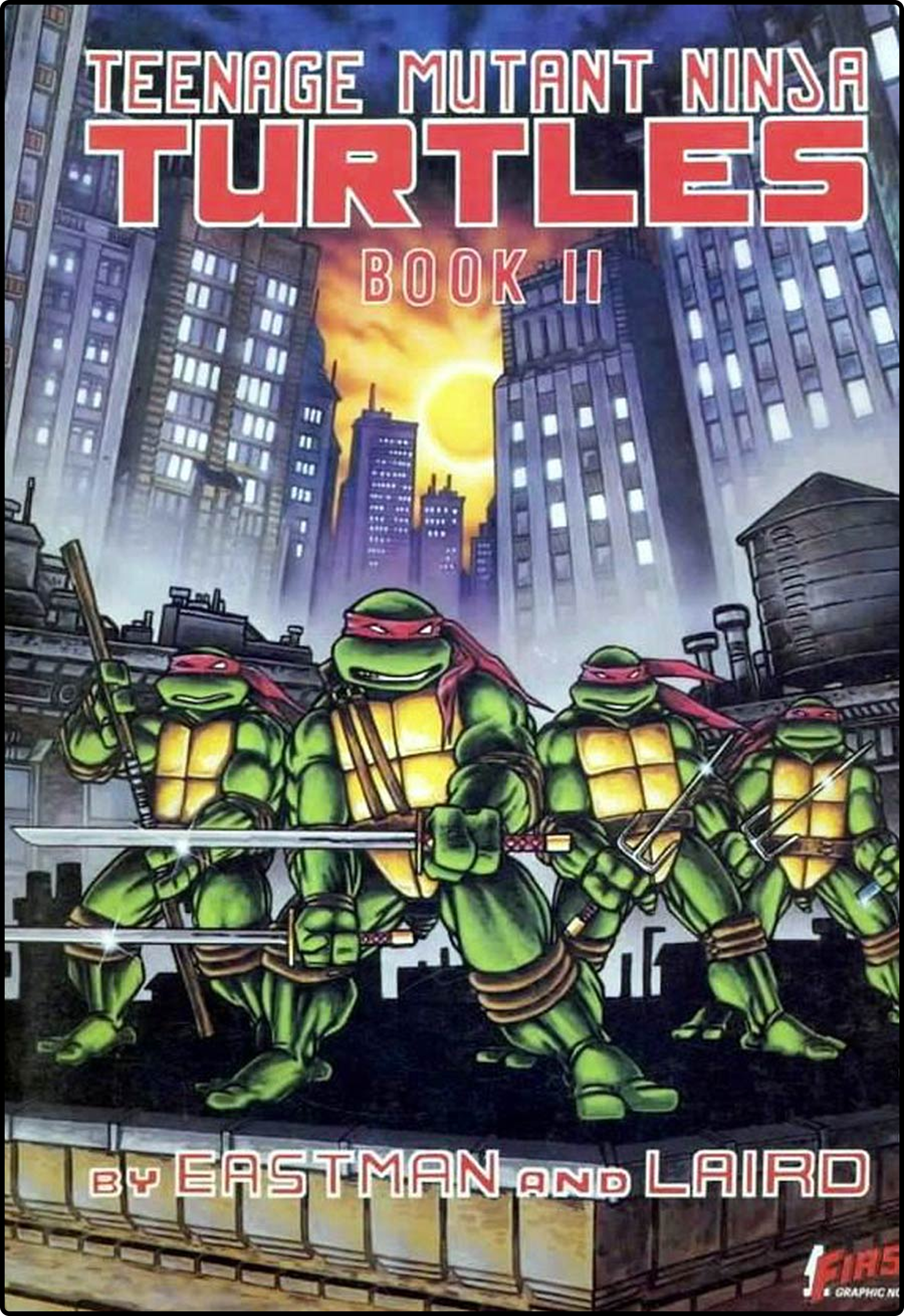
Teenage Mutant Ninja Turtles began as an independently published black-and-white comic created by Kevin Eastman and Peter Laird through Mirage Studios. Its debut introduced four unlikely heroes whose origins were rooted in the creative freedom of independent comics.
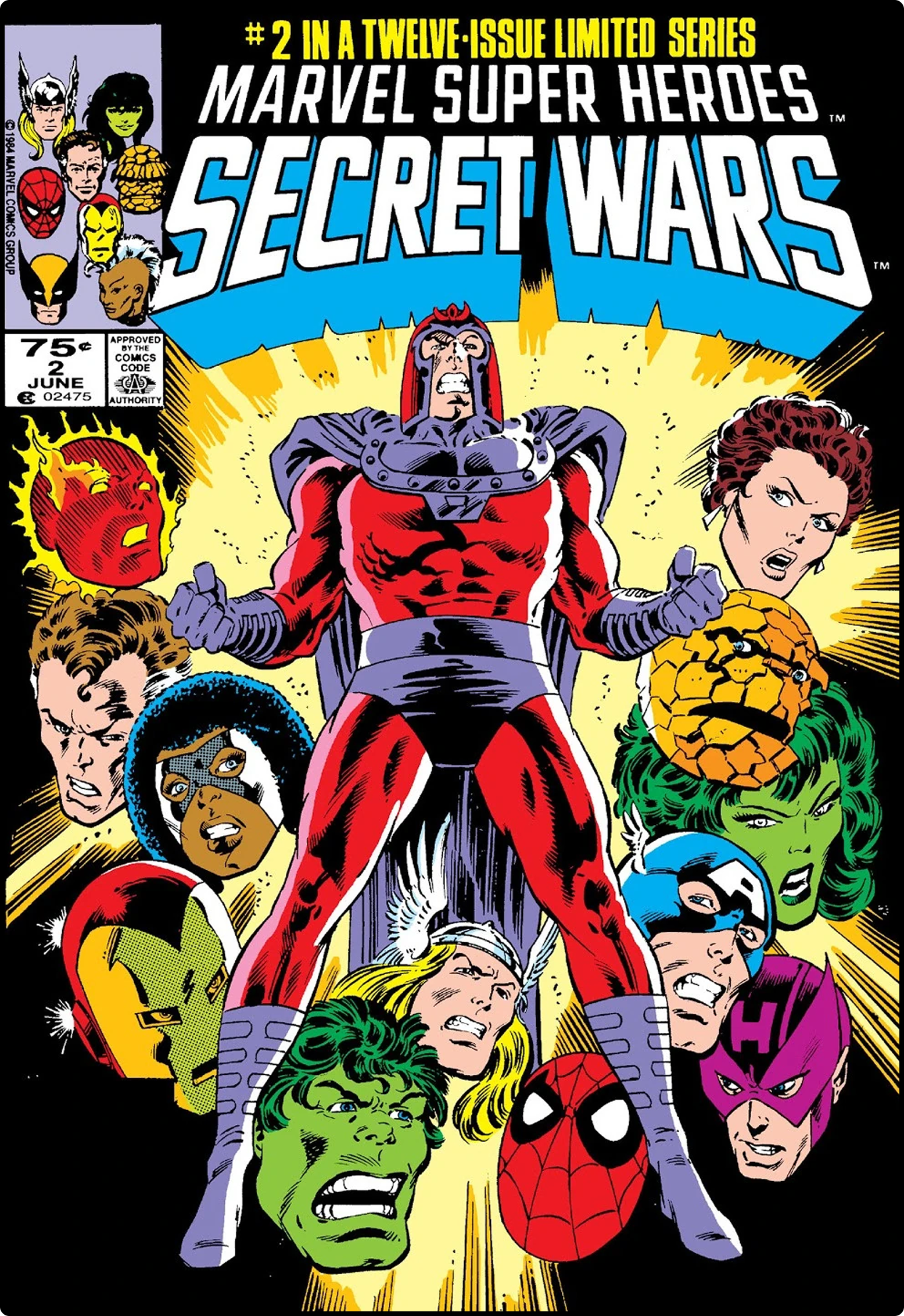
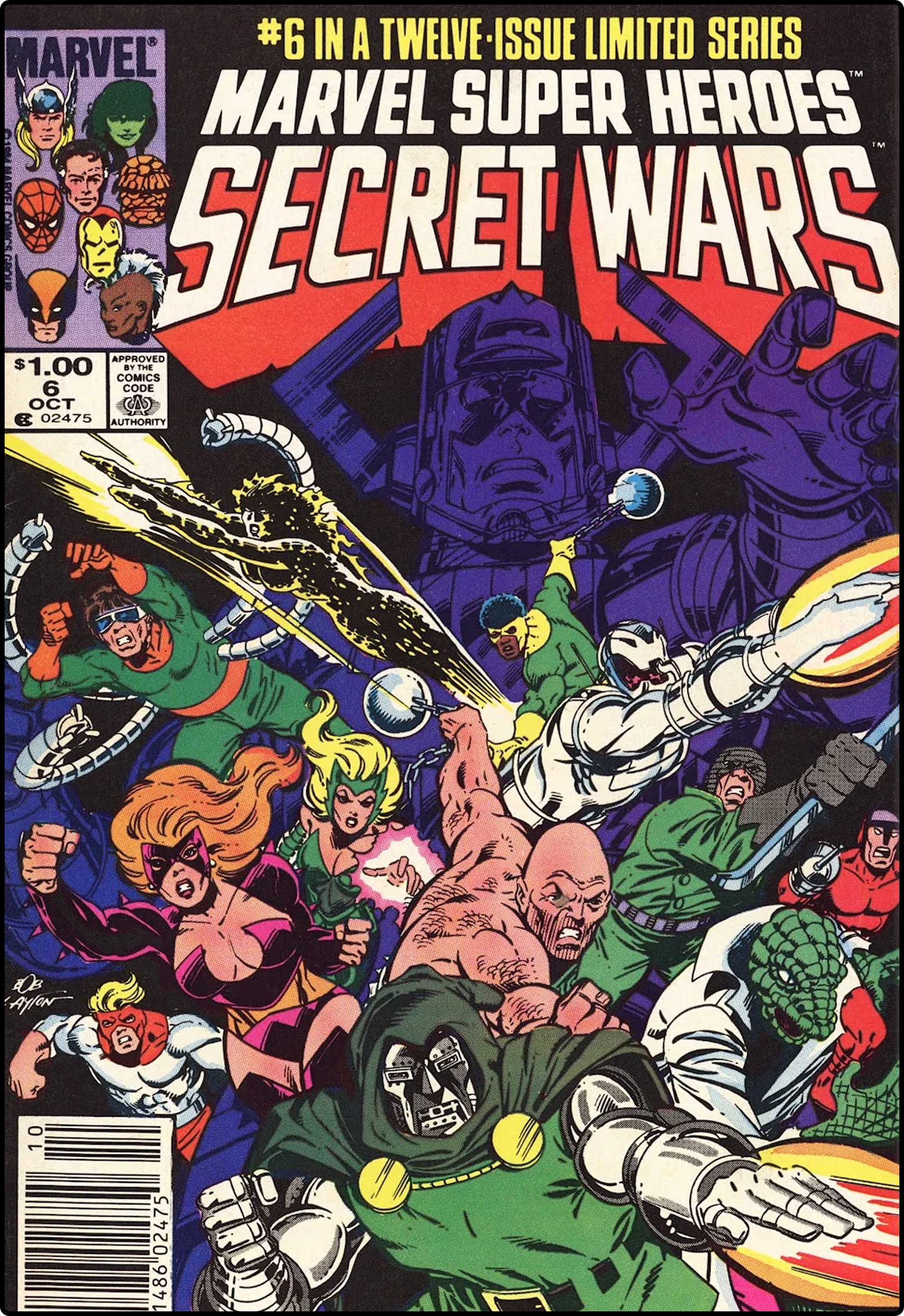
Marvel Super Heroes Secret Wars, meanwhile, brought together some of Marvel's most recognisable superheroes and villains in an ambitious twelve-issue crossover. Written by Jim Shooter, with artwork by Mike Zeck and Bob Layton, the series united characters including Spider-Man, the Avengers, the X-Men and the Fantastic Four in a single storyline.
One was an independent creation introducing an entirely new group of characters. The other brought together established characters from one of the industry's largest publishers.
Four decades later, their financial results in this particular fortnight were almost indistinguishable.
That historical contrast adds an interesting dimension to the rankings, but the trading data reveals an equally important difference.
The Same Spending, Different Trading Activity
Secret Wars ranked third among the 1980s' most-traded titles, behind Amazing Spider-Man and Uncanny X-Men.
Teenage Mutant Ninja Turtles, despite finishing ahead of Secret Wars in sales value, did not appear among the decade's five highest-volume titles.
That distinction is significant.
Secret Wars attracted enough transactions to reach third place by volume, yet TMNT generated slightly more money without appearing in the volume Top Five.
The results demonstrate that transaction counts and total sales value don't necessarily move together. A publication can generate a comparable financial total through a different combination of transaction volume and individual sale values.
Importantly, the supplied rankings do not provide exact transaction counts for either title, so we cannot determine their average selling prices or establish precisely how the difference arose.
What we can say is that TMNT achieved a marginally higher sales total despite Secret Wars holding a considerably stronger position in the volume rankings.
Secret Wars #8 Adds Another Twist
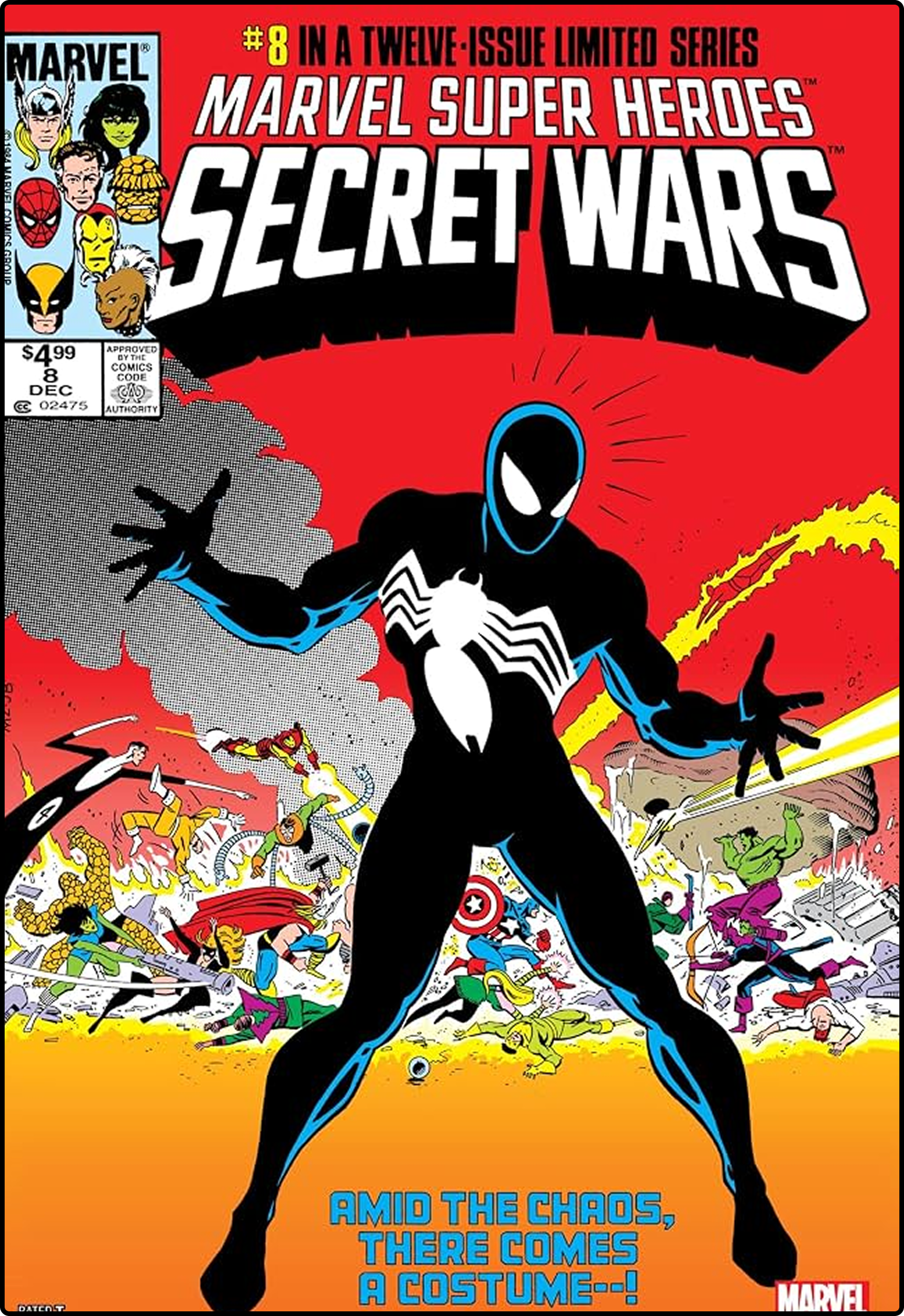
The individual-issue rankings add another interesting detail.
Marvel Super Heroes Secret Wars #8 (1984) was the most-traded individual issue from the entire 1980s.
It finished ahead of Amazing Spider-Man #300, Wolverine Limited Series #1, Amazing Spider-Man #252 and Alpha Flight #1.
Secret Wars #8 has a particularly recognisable place in Marvel history, featuring the origin of Spider-Man's black costume, an important part of the character's eventual connection to Venom.
Its position at the top of the issue-level rankings demonstrates the trading activity surrounding this particular publication during the fortnight.
No Teenage Mutant Ninja Turtles issue appeared among the five most-traded individual issues from the decade.
Yet, despite Secret Wars having the number-one individual issue by trading volume, Teenage Mutant Ninja Turtles finished $41 ahead in total title sales.
This is where the comparison becomes particularly revealing.
The most frequently traded individual issue doesn't necessarily belong to the highest-selling title. Nor does a strong position in the volume rankings guarantee a corresponding advantage in sales value.
The two measurements capture different aspects of collector activity.

Almost 40% of the Decade's Top Five Spending
Together, Teenage Mutant Ninja Turtles and Secret Wars generated $133,433 in sales, representing 39.2% of the 1980s' combined Top Five title sales of $340,434.
That's a substantial contribution from just two publications.
In fact, their combined total finished only $4,611 behind Amazing Spider-Man, which generated $138,044 on its own.
The remaining sales positions belonged to X-Men at $39,114 and Uncanny X-Men at $29,843.
The results placed TMNT and Secret Wars in an interesting middle ground. Neither came close to matching Amazing Spider-Man individually, but together they accounted for almost as much spending as the decade's leading title.
There was also very little separating their own contributions. TMNT represented approximately 19.6% of the decade's Top Five sales, with Secret Wars also accounting for approximately 19.6%.
Viewed as percentages, their results were effectively identical. Only the exact dollar figures reveal just how narrowly Teenage Mutant Ninja Turtles finished ahead.


What Does a $41 Difference Really Tell Us?
It's tempting to read a close contest like this as evidence that one title was gaining ground on another, or that collector preferences were shifting between two established properties.
But a single fortnight cannot establish those conclusions.
The figures don't tell us whether TMNT's sales were driven by a handful of expensive copies, whether Secret Wars benefited from more lower-priced transactions, or which individual books contributed most to their respective totals.
Those questions require issue-level transaction data.
The rankings establish a compelling contrast between two publications with very different histories.
Secret Wars occupied a prominent position in trading volume and supplied the decade's most-traded individual issue. Teenage Mutant Ninja Turtles did neither, yet generated slightly more in total sales.
It's a reminder that the titles collectors encounter most often in sales reports aren't necessarily the ones attracting the most money.
Final Thoughts
The 1980s rankings were led by Amazing Spider-Man, but the contest between Teenage Mutant Ninja Turtles and Marvel Super Heroes Secret Wars provided one of the fortnight's more unexpected results.
Both originated in 1984. Both remain recognisable publications within comic book collecting. And during November 3–16, 2026, their combined sales totals finished just $41 apart.
Yet their performance across the rankings was noticeably different.
Secret Wars ranked third by trading volume and supplied the decade's most-traded individual issue, while TMNT secured second place by sales without appearing among the five highest-volume titles.
Two very different comics. Almost identical spending. And just $41 separating them.
Sometimes the most interesting story in a sales report isn't found at number one. It's the remarkably close competition happening immediately behind it.