Top 10 Collector Hub Articles of 2025
Some years feel like noise. 2025 felt like a reckoning. Collectors weren’t just chasing keys — they were chasing clarity: what’s truly rare, what’s artificially loud, what labels really mean, how pressing changes the game, and where the fake market tries to sneak in when prices get serious.
This list isn’t a victory lap. It’s a field kit—ten reads that sharpen your instincts, tighten your buys, and remind you why the hobby is at its best when you can tell the difference between a spotlight… and a signal.
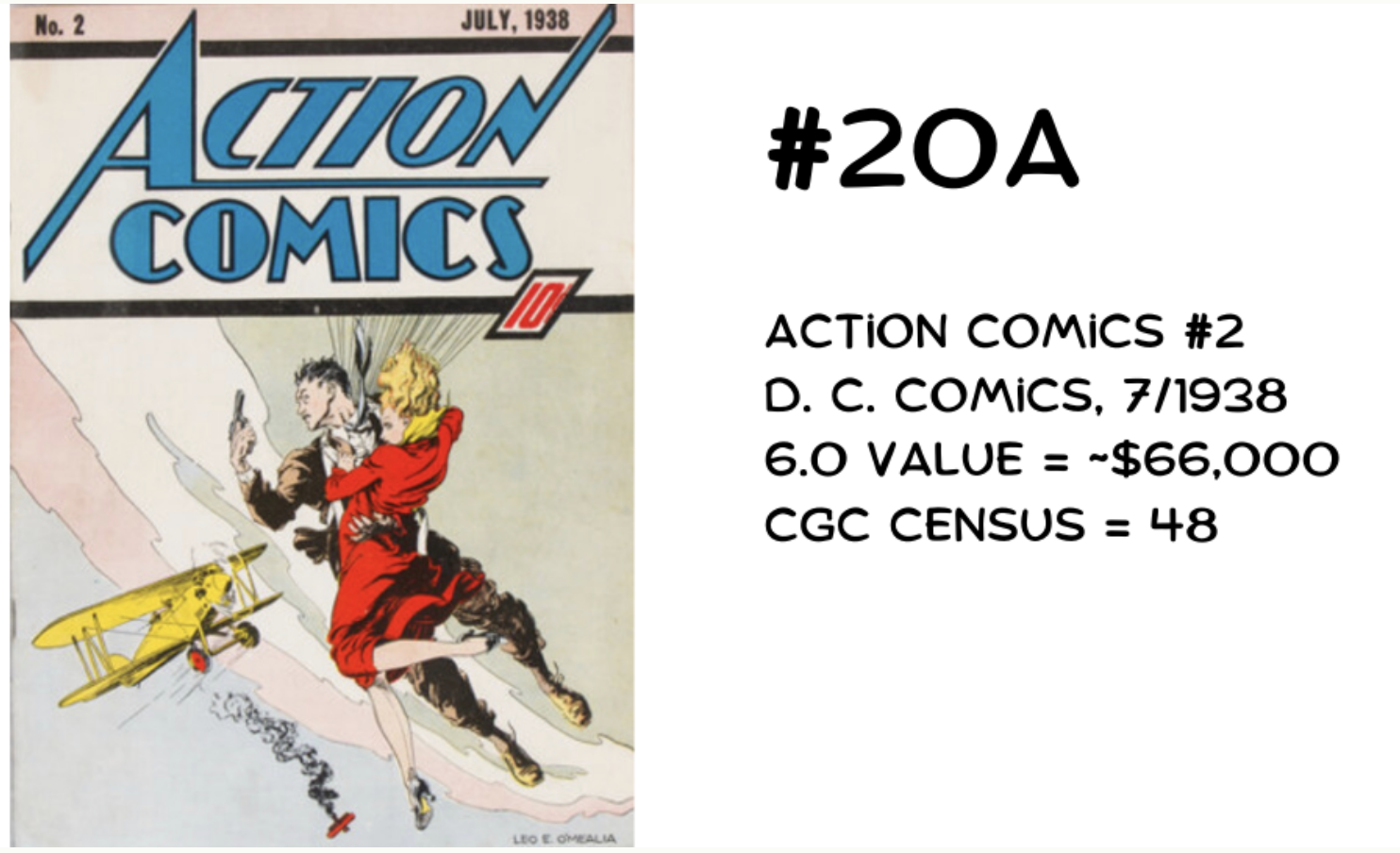
1) Twenty (20) Legitimate Comic Book Rarities Worth a Fortune
Rarity isn’t value… until passion meets a tiny supply. This piece puts a hard fence around the word ‘rare’: under 50 copies on the CGC census and $30,000+ in CGC 6.0—then walks you through the kind of books that turn collectors into patient, sleep-deprived hunters.
What you’ll find:
A clear rarity filter (census + price) so the list isn’t just ‘cool old stuff’.
Golden Age scarcity you can feel, from early Action Comics to brutal, iconic covers like Suspense Comics #3.
Strange ‘oddball grails’ (no-number reprint monsters, giveaway weirdness, true unicorns) that prove the hobby rewards obsessive niches.
If you’ve ever wondered why two books from the same era can live in totally different universes, this explains it. The list is less about flexing and more about defining rarity, then showing how scarcity behaves when collectors refuse to let a book stay forgotten.
Read on: Twenty (20) Legitimate Comic Book Rarities Worth a Fortune
This is the deep end of collecting: long waits, brutal underbids, and that ridiculous moment when you finally land the copy—and it feels like winning a war no one saw you fighting.
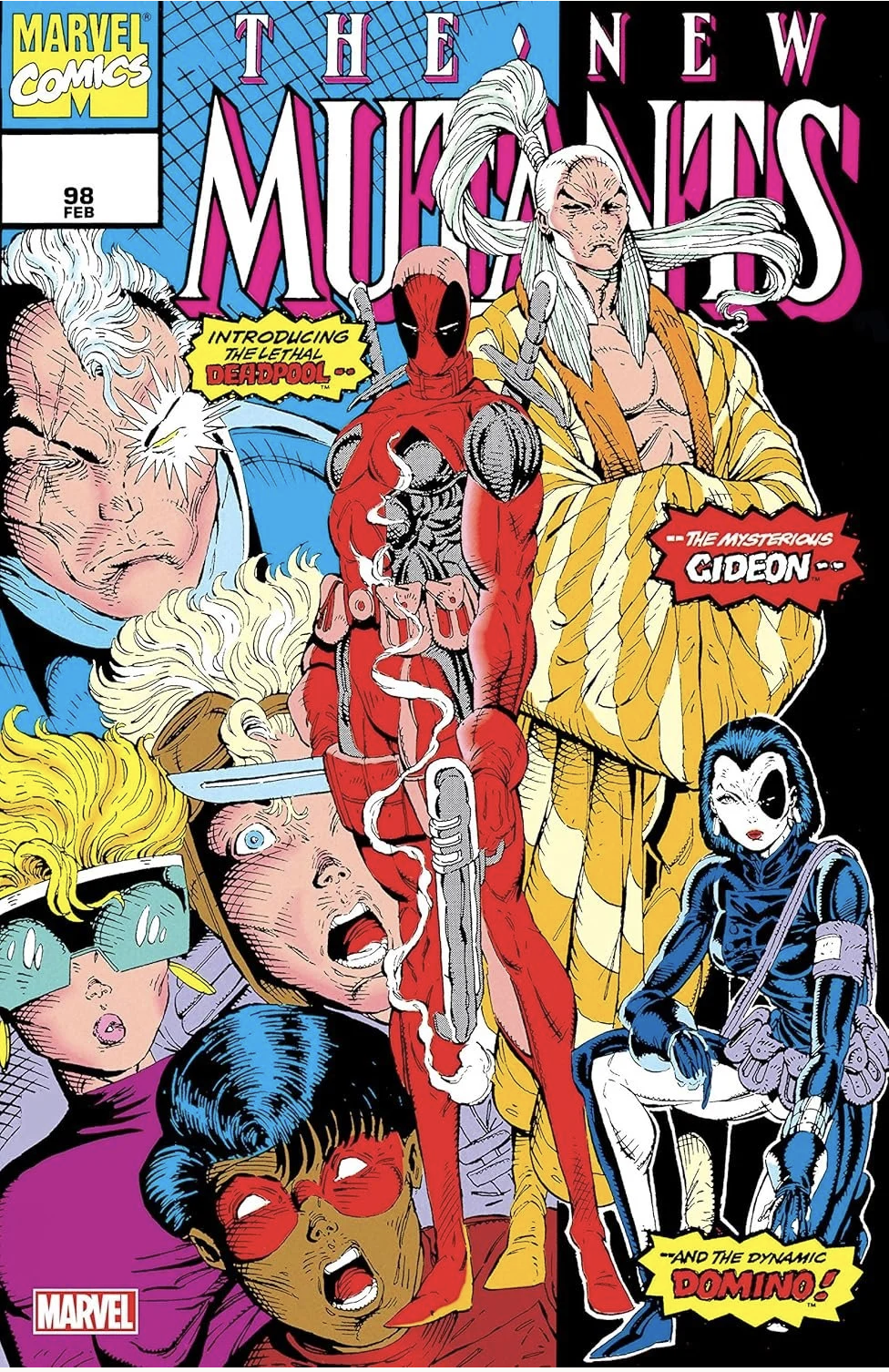
2) Overrated Comics: When Hype Hijacks the Hobby
Every collector has stared at a hot book and thought, ‘If I don’t buy now, I’m dead.’ This one grabs you by the collar and asks the rude question: Is it actually scarce… or just loud?
What you’ll find:
How hype cycles inflate books with huge high-grade supply (and why that matters more than the character’s popularity).
Why MCU rumour waves + social echo chambers create “false scarcity” that burns wallets.
The real killer: opportunity cost—money spent chasing the spotlight isn’t buying genuine scarcity in the shadows.
This isn’t a ‘don’t buy fun comics’ lecture—it’s a market sanity check. If you collect with any investment brain switched on, it teaches you to pause, check the census, check recorded sales, and stop confusing ‘expensive’ with ‘rare’.
Read on: Overrated Comics: When Hype Hijacks the Hobby
Buy what you love—sure. But if you’re buying out of fear, this is your hand on the brake before you pay grail money for a book that exists by the truckload.
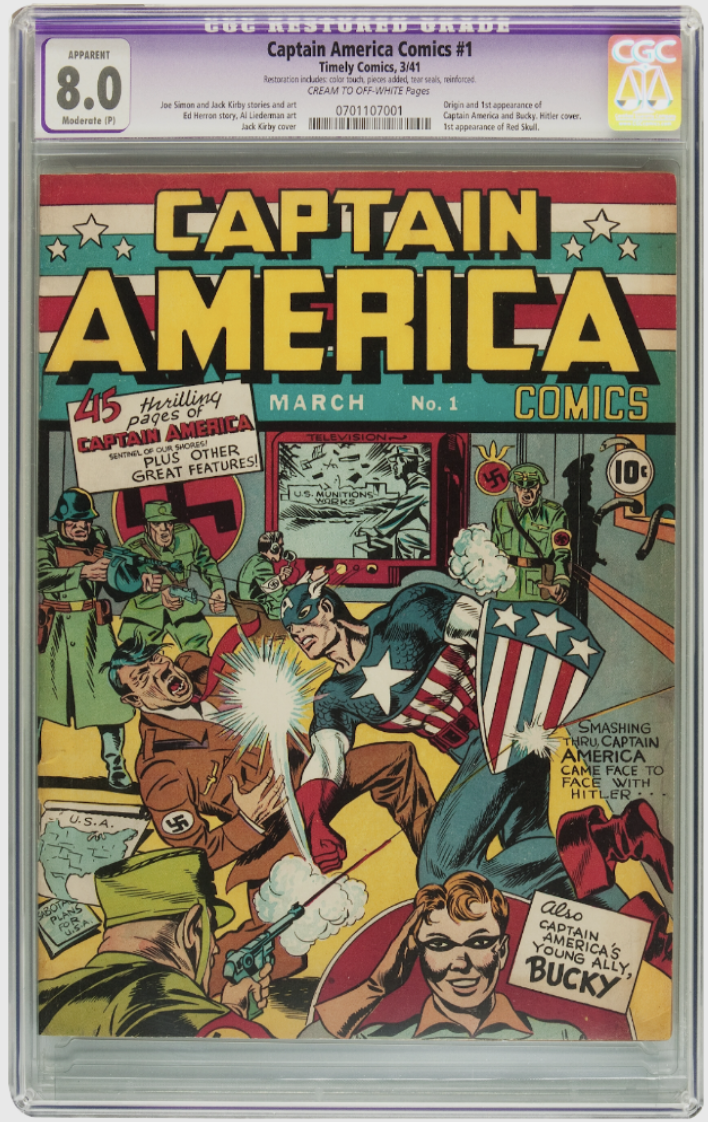
3) 10 Underrated Graded Comic Books (And Why They Matter More Than You Think)
This is the antidote to trend-chasing. Instead of ‘what’s hot’, it asks ‘what’s quietly important’—the creator keys, format traps, variants, and overlooked firsts that sit in plain sight while the herd stampedes elsewhere.
What you’ll find:
A smart definition of ‘underrated’: not unimportant—just overshadowed, mispriced, or misread.
Concrete targets (CPVs, prestige formats, early Valiant, character turning-point issues) and why they stay underappreciated.
The collector mindset shift: go where the crowd isn’t looking yet.
If you like building a collection that feels curated instead of algorithmic, this one hits. It’s basically a blueprint for finding value in significance—not just in whatever the internet yelled about this week.
Read on: 10 Underrated Graded Comic Books (And Why They Matter More Than You Think)
Heat fades. Foundations don’t. This is how you stock a slab box with stories that age well.
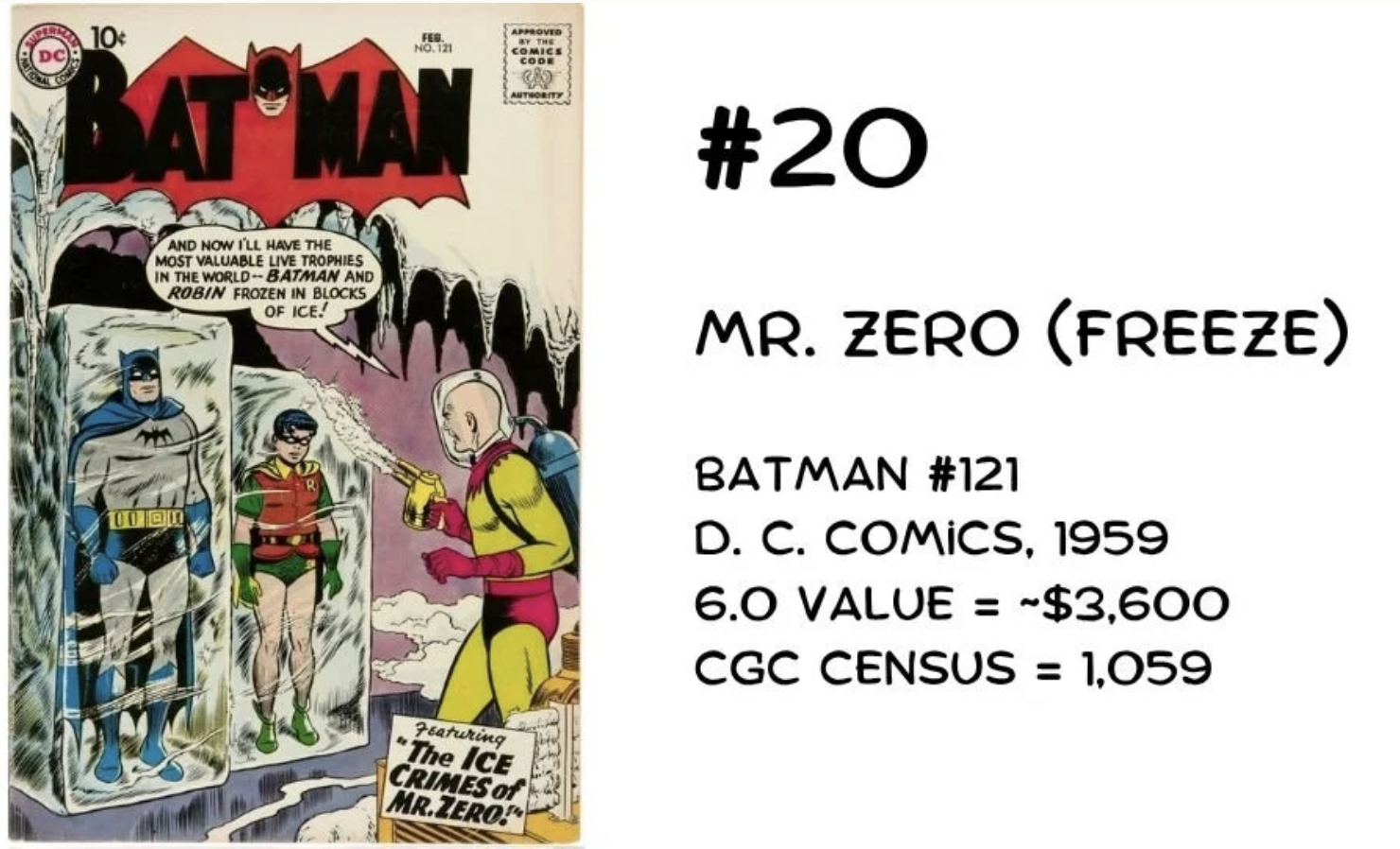
4) Twenty (20) Villain First Appearances Worth a Fortune
Heroes sell, but villains stick. This list is a reminder that a true rogues’ gallery doesn’t just support a character—it defines the era, the tone, the mythology… and the prices that follow.
What you’ll find:
A tour of villain debuts across eras (from Golden Menace to modern indie scarcity), with pricing consistently framed around CGC 6.0.
Why Batman’s rogue gallery tends to command brutal premiums, even when covers don’t cooperate.
The core takeaway: demand isn’t just ‘first appearance’—it’s lasting cultural weight.
This one reads like a collector’s evil encyclopedia—cold, practical, and weirdly celebratory. If you collect villain keys, it sharpens your sense of what’s iconic versus what’s just another name on a label.
Read on: Twenty (20) Villain First Appearances Worth a Fortune
Villains don’t need a redemption arc to be valuable. They need to haunt the hobby long enough that collectors can’t imagine the universe without them.
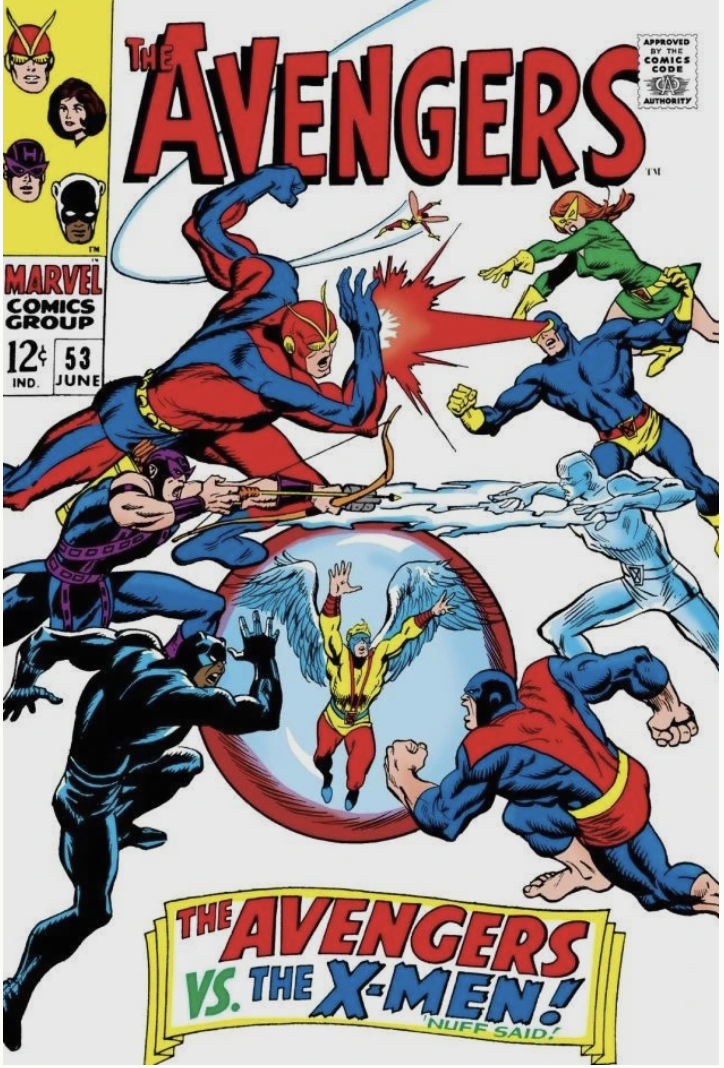
5) Comeback Issues: The Forgotten Comics Now Surging in Value
The market loves a resurrection story. This one digs into the “wait—that book is moving?” phenomenon: issues that sat unloved for years, then snapped back into relevance when collectors finally noticed the significance hiding in the corners.
What you’ll find:
What typically triggers a comeback (new attention, reappraisal of creators, ripple effects from bigger keys).
How to spot the difference between a real comeback and a temporary pump.
Why forgotten books can outperform expectations once supply is already locked into collections.
If you enjoy hunting more than chasing, this is your playbook. It’s about the books that don’t arrive with sirens—until suddenly they do.
Read on: Comeback Issues: The Forgotten Comics Now Surging in Value
The best comebacks aren’t predicted by hype—they’re revealed by time, memory, and the slow closing of supply.

6) CGC’s Green Label of Confusion
Green labels are where certainty goes to die. This article unpacks the collector anxiety around CGC’s Qualified label—what it signals, why buyers flinch, and when that discomfort can turn into an advantage.
What you’ll find:
What a green label is trying to communicate (and why it often creates more questions than answers).
How collectors tend to price it versus blue labels—and what to look for before you assume it’s a bargain.
When a green label is a hard pass… and when it’s a stealth way into a book you’d otherwise never touch.
This is practical hobby hygiene. If you buy slabs with confidence, you need to understand the labels that undermine them.
Read on: CGC’s Green Label of Confusion
Green isn’t “bad.” It’s “complicated.” And collectors who can read complicated usually pay less to own more.
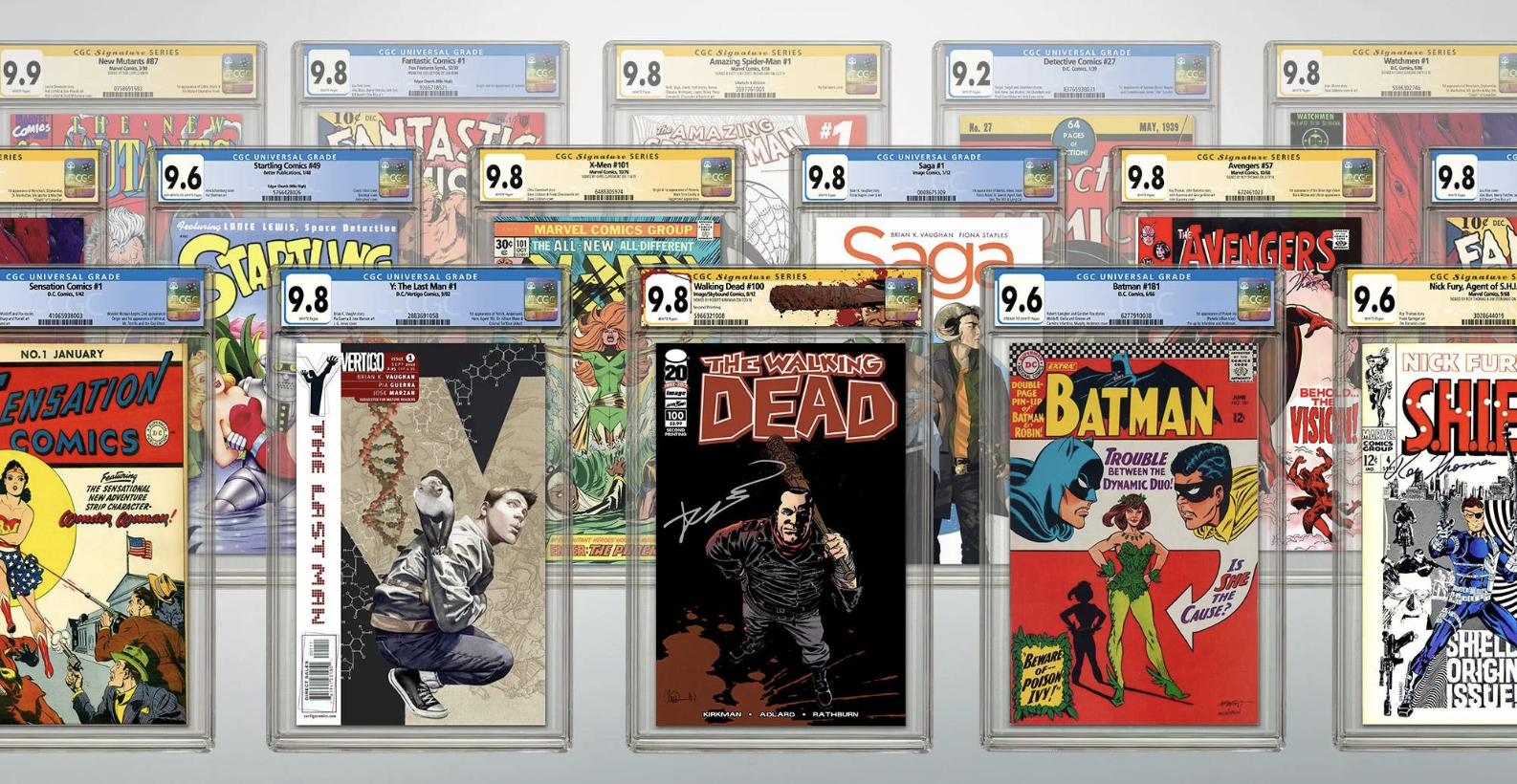
7) The Collector’s Mid-Year Briefing: CGC Market Trends (Jan–Jun 2025)
This is the “take a breath and look at the map” read. Instead of letting single trophy sales hijack your perception, the mid-year briefing focuses on trend behaviour—where liquidity is real, where it’s thinning, and what the first half of 2025 actually felt like in the graded market.
What you’ll find:
A collector’s-eye view of momentum (not just headlines).
What seems resilient versus what looks fragile when you zoom out.
The kind of context that stops you from making emotional buys.
If you want to collect smarter without killing the fun, this is the bridge between passion and data—the kind of piece you reread before big purchases.
Read on: The Collector’s Mid-Year Briefing: CGC Market Trends (Jan–Jun 2025)
Markets move in stories—but collectors win with patterns.
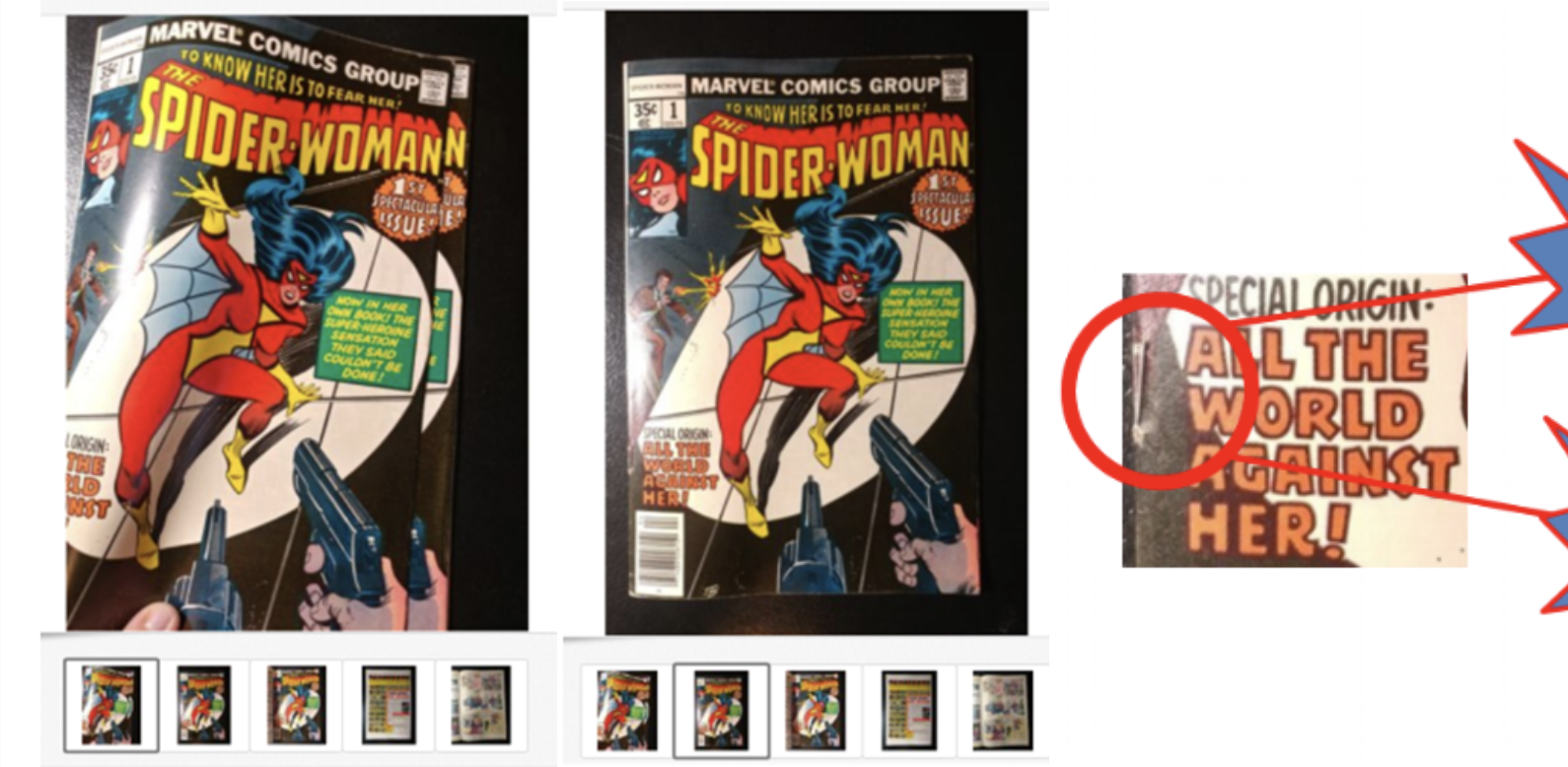
8) The Phantom Pages: Exposing the Fake Comic Book Market
This is the paranoia you want. The fake market isn’t just about counterfeit books—it’s about manufactured trust: clean listings, convincing photos, the right words… and a transaction that turns your money into smoke.
What you’ll find:
The most common tell that something’s off (pricing, provenance gaps, photo behaviour, urgency tactics).
Where scams tend to hide (and why “platform safety” isn’t a guarantee).
How to protect yourself without turning the hobby into a courtroom.
It’s a collector’s street-smart guide. Read it once, and you’ll start noticing details that used to slide right past you.
Read on: The Phantom Pages: Exposing the Fake Comic Book Market
In a hobby built on trust, your best upgrade isn’t a higher grade—it’s sharper instincts.
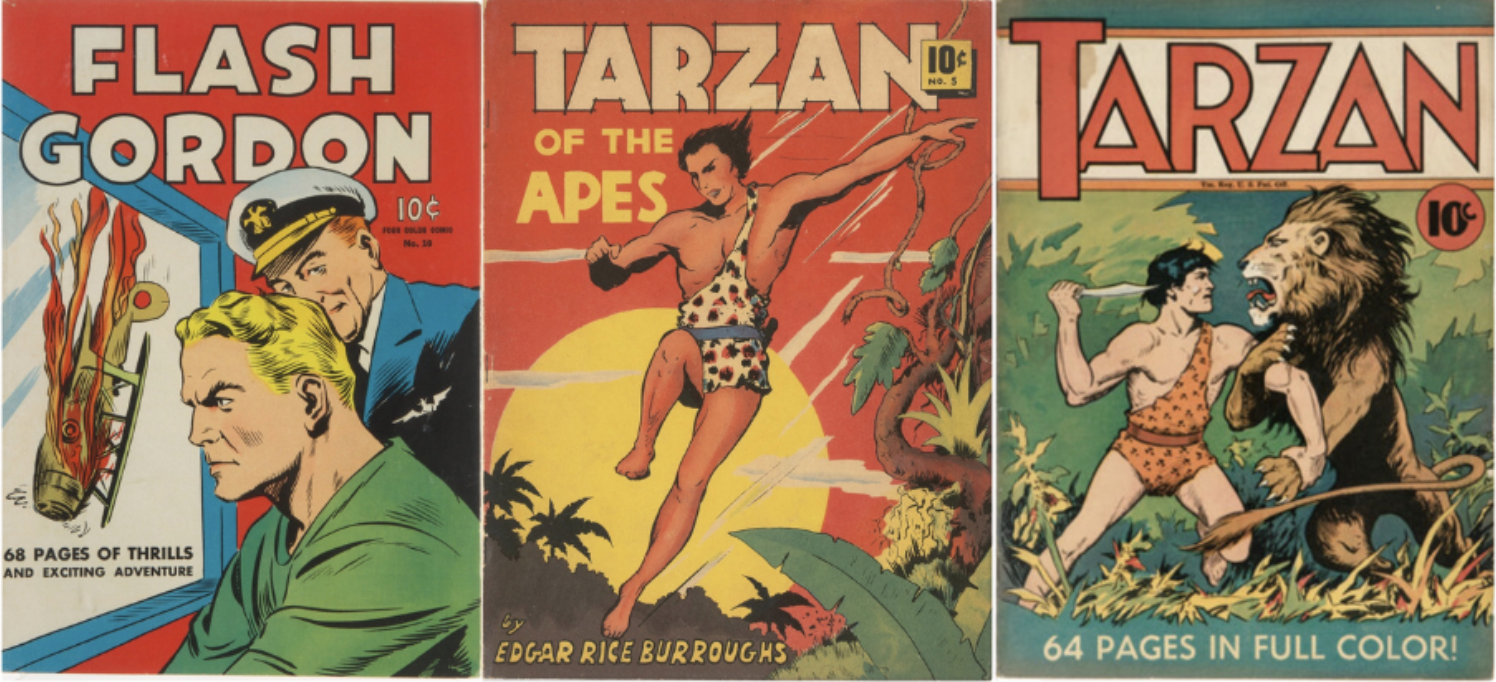
9) Have Comics Been a Good Long-Term Investment?
This one goes long-range: not ‘what popped this month’, but how comics performed over decades—and how that stacks up against traditional benchmarks when you stop arguing in feelings and start comparing numbers.
What you’ll find:
Why 1970 matters as an anchor point (Overstreet as the valuation watershed).
A structured comparison against big benchmarks, with a comic index approach instead of cherry-picking one grail.
The big collector truth: results vary wildly book-to-book—comics can be incredible… and also brutal if you buy wrong.
It’s not “comics beat stocks, yay.” It’s a thoughtful breakdown of why certain books behave like blue-chip cultural assets—and why you still shouldn’t treat your slab box like a retirement plan without a brain attached.
Read on: Have Comics Been a Good Long-Term Investment?
Collect first. Invest second. And if you’re lucky, the same book will satisfy both halves of your personality.
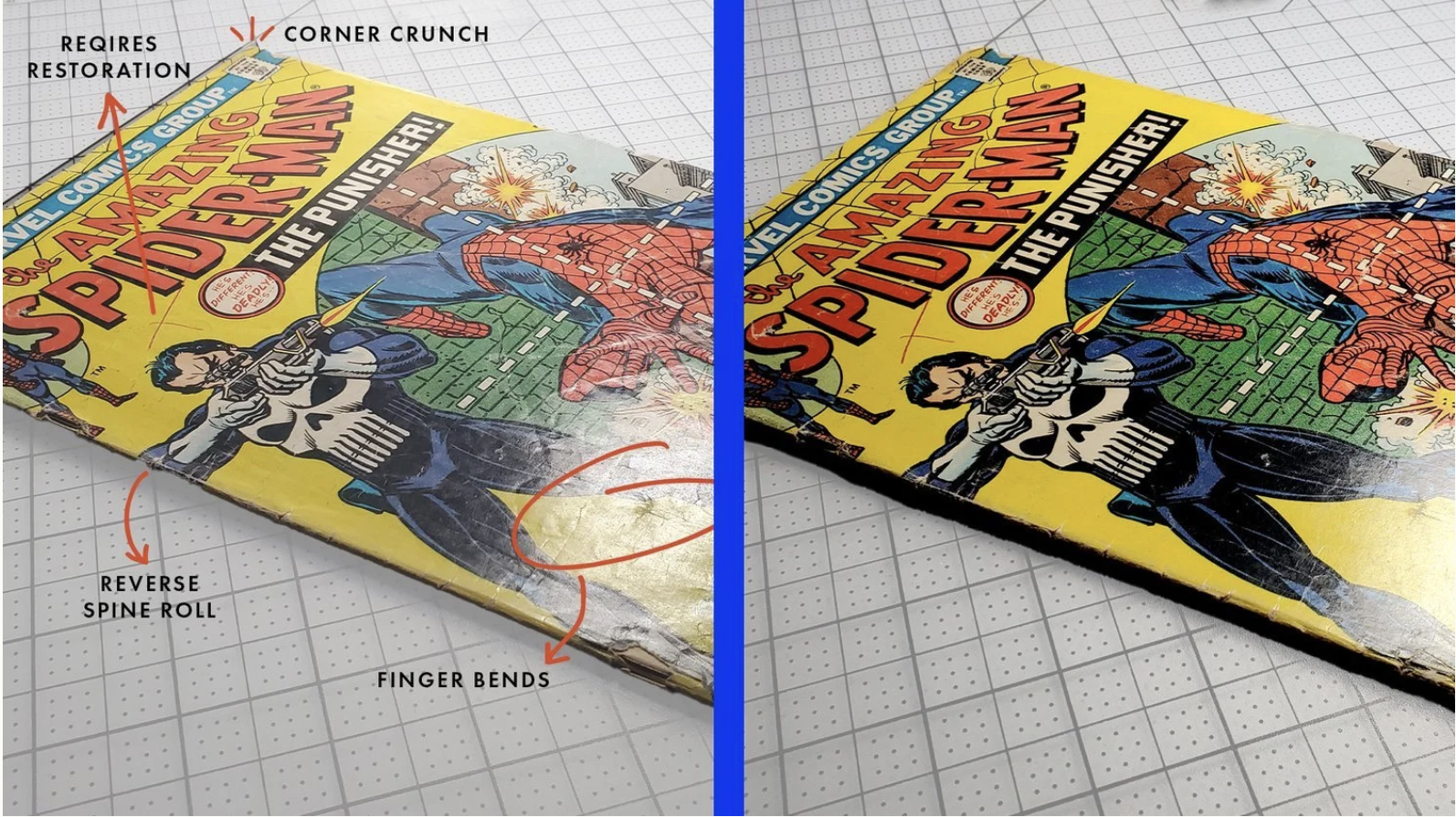
10) How to Spot a Pressed Comic Book: The Collector’s Guide to Knowing What’s Been Smoothed
Pressing is everywhere—and CGC doesn’t treat it as restoration—so if you want an edge, you need to recognise the ‘too clean’ look before you pay for it. This guide breaks down the tell-tale physical clues: staples, texture, spine behaviour, ghost lines, edge warping—the stuff you only learn after you’ve been burned once.
What you’ll find:
Staples that look machine-tight or subtly shifted after pressure.
Paper texture that’s suspiciously flat for the era, especially vintage stock.
Ghost creases and softened damage you’ll only see under angled light.
Slab checks: light tricks + notes context to read the “physical story” through plastic.
This is pure collector craft—less theory, more inspection. Even if you don’t care about pressed vs unpressed philosophically, being able to tell changes how you price, how you buy raw, and how you judge upside.
Read on: How to Spot a Pressed Comic Book
Pressing doesn’t erase a book’s life—it just rearranges the evidence. This is how you learn to read what’s still there.
If 2025 taught us anything, it’s this: the hobby is still fuelled by wonder — but it’s protected by knowledge. The best collectors don’t just chase what’s loud. They chase what’s real: scarcity you can prove, trends you can measure, and books that still matter when the spotlight moves on.