Every decade of comic book publishing has defining titles, but the comics collectors trade most often aren't necessarily the ones fetching the most money. That distinction becomes particularly interesting when we examine the highest-selling CGC-graded comic title from each decade.
Between November 3 and November 16, 2026, GPAnalysis recorded $5,700,541 in sales across 21,678 individual books. Within that activity, ten titles emerged as the highest sellers for their respective publication decades, spanning everything from early Golden Age comics to modern releases.
Some of the results were predictable. Amazing Spider-Man continued to demonstrate its remarkable reach across multiple decades, while Absolute Batman commanded an extraordinary share of spending among contemporary publications. Others were less obvious, with titles such as Holiday Comics, Invincible and Ultimate Fallout outperforming publications that collectors traded more frequently.
What makes these results interesting isn't simply which titles finished first. It's the difference in how they achieved those positions, how much competition existed behind them, and what their individual sales totals reveal about collector spending.
The Biggest Sellers by Decade
From Golden Age rarities to modern releases, these were the highest-selling CGC titles from each decade. Select a decade to see how much of its Top Five sales came from the leading title.
Share of the 2020s' combined Top Five title sales.
Two leaders. Very different results. Amazing Spider-Man generated $290,940 in the 1960s, representing 30.3% of that decade's Top Five title sales. Absolute Batman generated $230,253 in the 2020s, accounting for 83.1%. The difference reveals just how concentrated spending can become around a single publication.
An Unexpected Beginning: The 1930s to the 1950s
The earliest decades delivered a fascinating contrast between trading activity and financial performance.
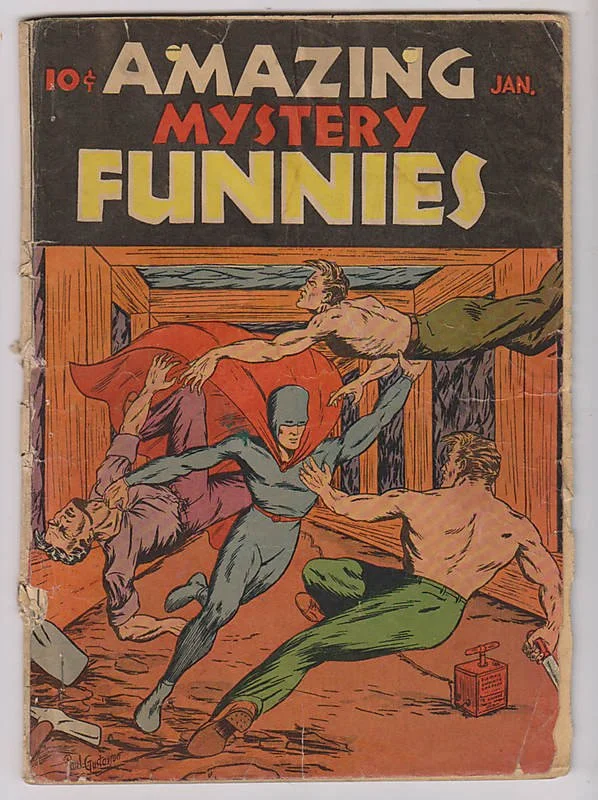
For the 1930s, Amazing Mystery Funnies (1938–1940) led sales with $12,688, ahead of Detective Comics at $8,500. Yet neither title appeared among the five most frequently traded publications from the decade.
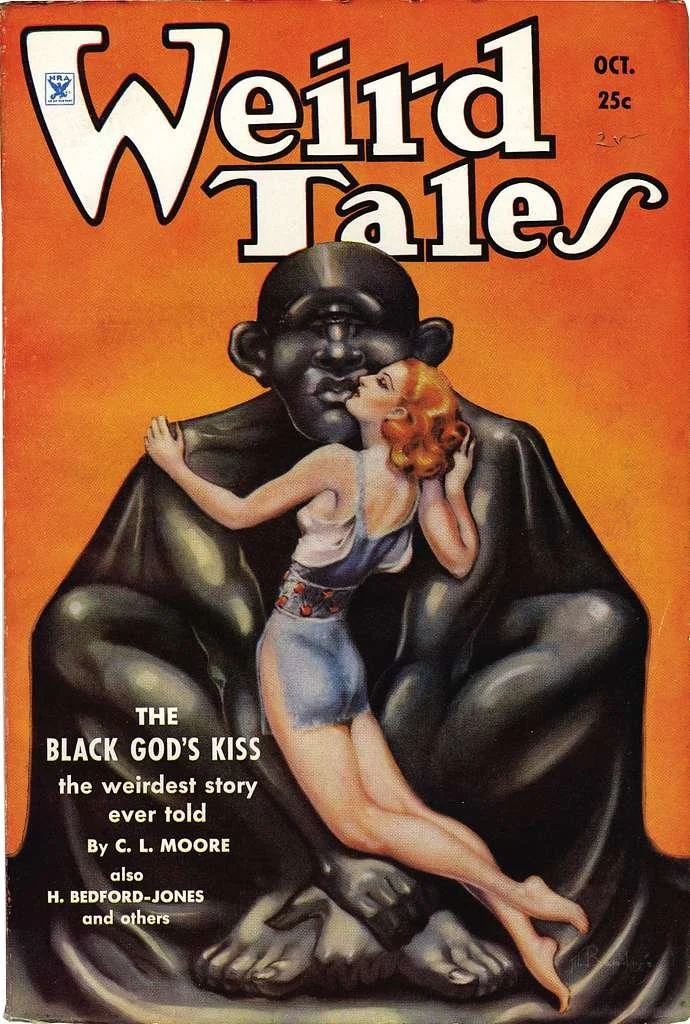
Instead, pulp magazines led the volume rankings, with Weird Tales, Shadow, and Black Book Detective occupying the top three positions. This distinction matters because it demonstrates how the most actively traded publications can differ substantially from those attracting the greatest expenditure. While the pulp titles generated more transactions, Amazing Mystery Funnies accumulated the highest sales value.
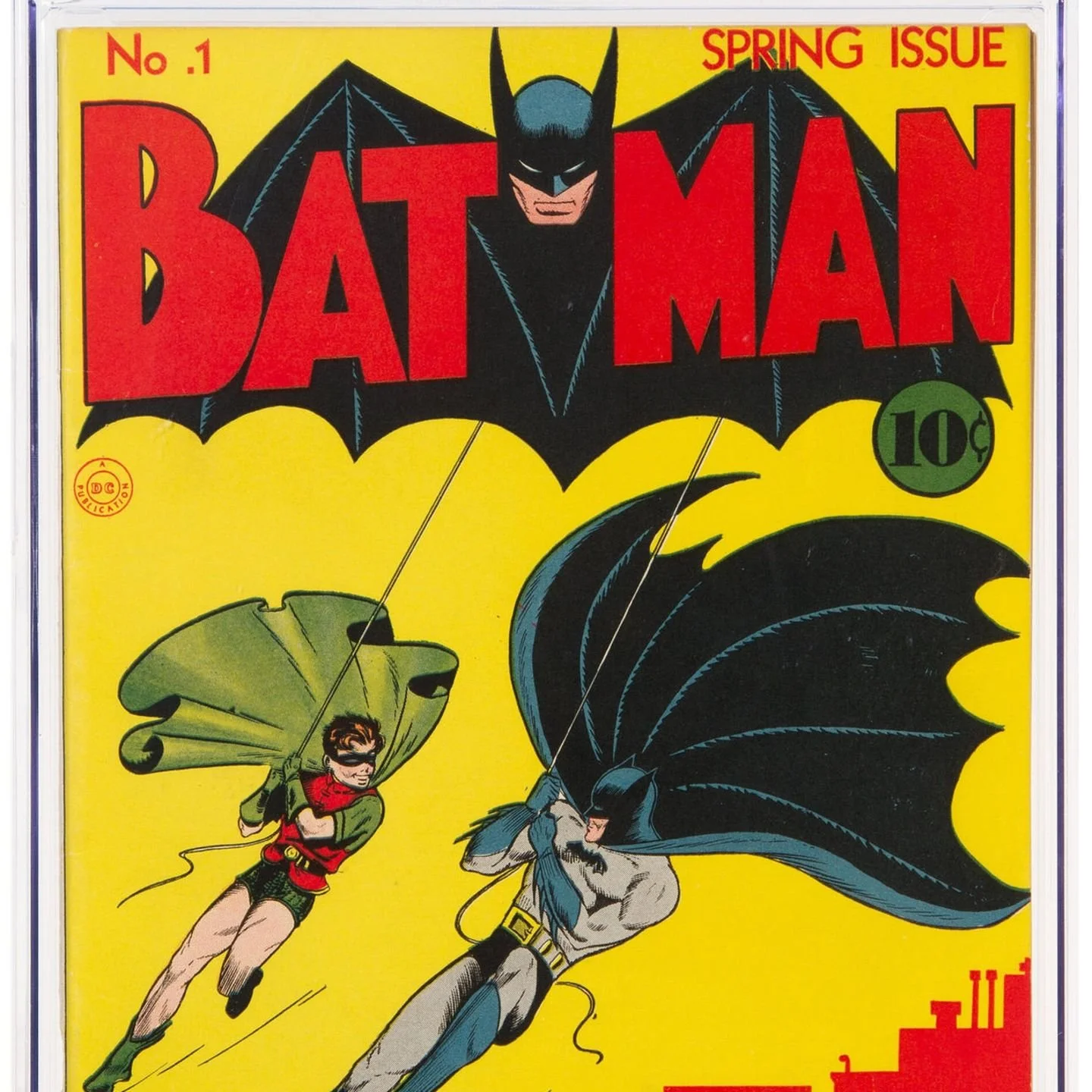
The 1940s presented a more recognisable result. Batman (1940) led both trading volume and sales, generating $38,209. Detective Comics also performed strongly, finishing second by volume and third by sales with $22,860.
However, Batman wasn't operating without competition. Exciting Comics generated $27,473, while Silver Streak Comics contributed $20,740. Together with Captain America Comics, these titles brought the decade's combined Top Five sales to $126,294.
Batman accounted for 30.3% of that figure, meaning nearly 70% came from the other four leading titles. The result reflected a reasonably broad distribution of spending across several Golden Age publications.
The 1950s delivered perhaps the most unexpected leader of these three decades.
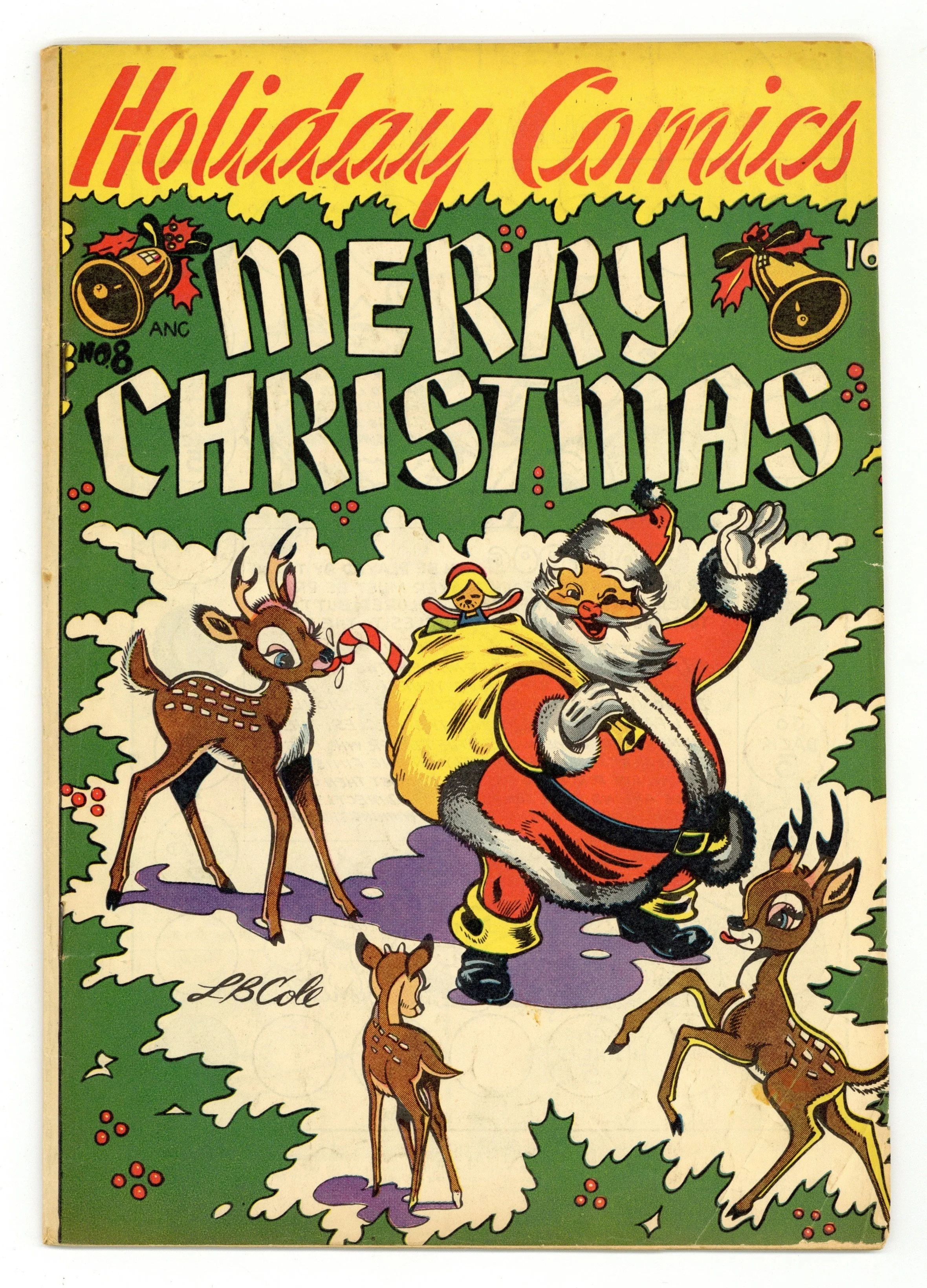
Four Color topped trading volume, while Detective Comics and Batman followed. Yet Holiday Comics (1951–1952) secured the highest sales total at $20,923, despite not appearing among the five highest-volume titles.
The Flash finished second with $9,636, while Four Color placed third at $8,657.
Holiday Comics represented 37.6% of the decade's $55,690 in combined Top Five sales, considerably more than any of its individual competitors.
Taken together, these early decades reveal an important characteristic of the market. The most recognisable or frequently traded publications don't always generate the largest financial totals. In some cases, a less prominent title can finish ahead of the publications dominating transaction counts.
Spider-Man's Three-Decade Run: The 1960s, 1970s and 1980s
If the early decades demonstrated variety, the next three revealed one of the clearest patterns in the entire dataset. Amazing Spider-Man, The (1963) was the highest-selling title across the 1960s, 1970s and 1980s. It also led trading volume in all three decades.
Across issues from those three decades, Amazing Spider-Man generated a combined $566,694 in sales during the fortnight.
Its most significant result came from the 1960s.
With $290,940 in sales, Amazing Spider-Man was the highest-selling decade-title combination across the entire dataset. However, its lead wasn't as commanding as that headline figure might suggest.
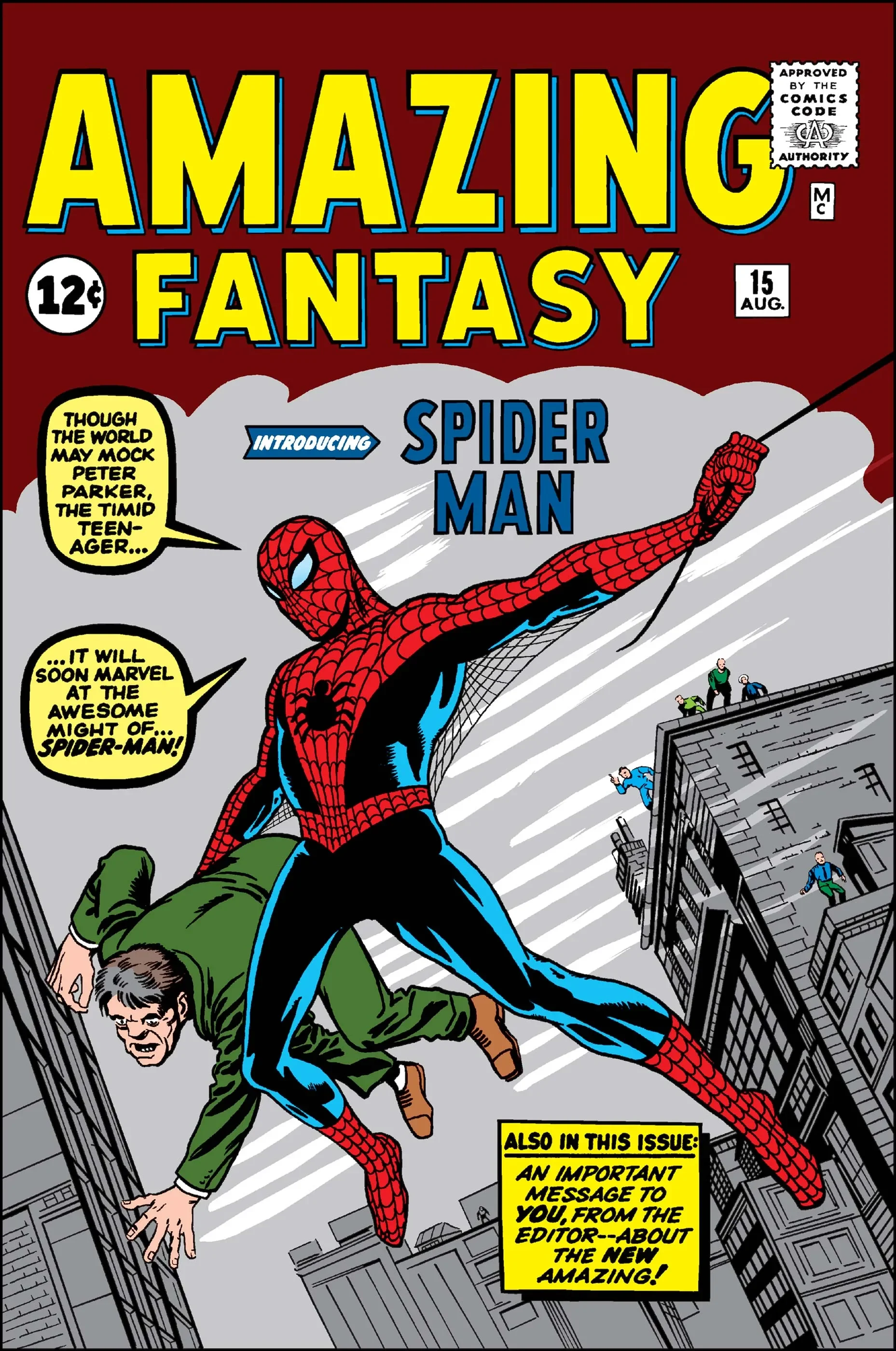
Amazing Fantasy followed closely with $269,600, assisted by the fortnight's highest individual transaction: a CGC 6.5 copy of Amazing Fantasy #15 selling for $92,000. Fantastic Four contributed $174,346, X-Men generated $126,622, and Avengers added another $98,006.
Together, the five titles produced $959,514, the largest combined Top Five sales total of any decade. Amazing Spider-Man accounted for 30.3% of that spending, leaving a substantial $668,574 distributed across the other four titles.
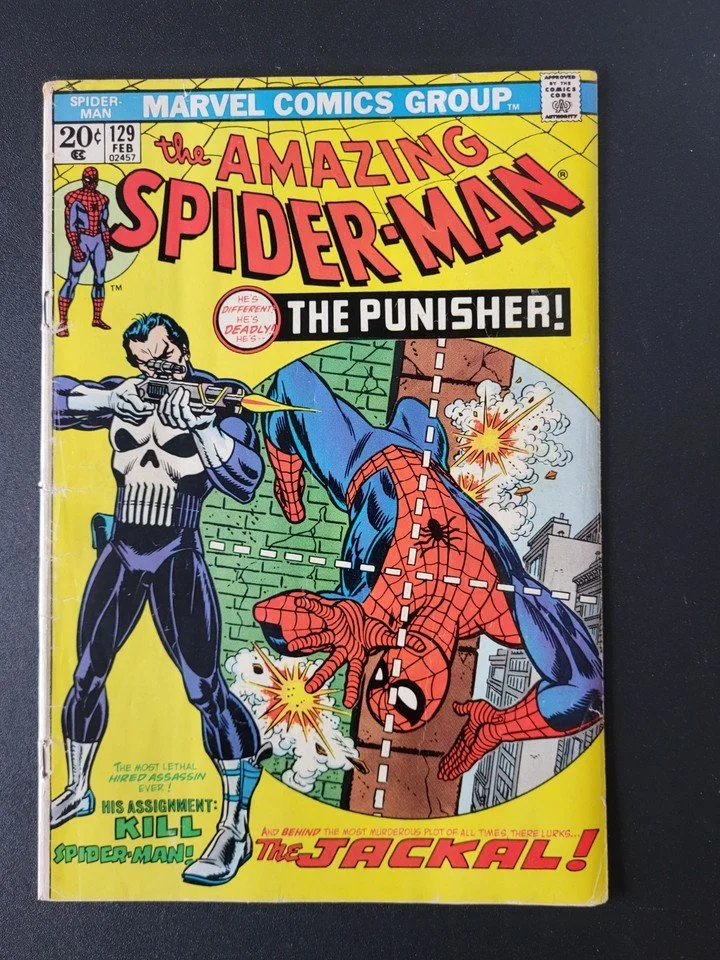
The 1970s delivered another first-place finish for Spider-Man, this time with $137,710. Incredible Hulk followed at $91,496, while X-Men contributed $74,243. Star Wars and Giant-Size X-Men completed a competitive Top Five that generated $418,254 collectively.
Amazing Spider-Man's share was 32.9%, again demonstrating that the leading title was supported by considerable spending elsewhere. The 1980s continued the pattern, with Amazing Spider-Man generating $138,044. Remarkably, that was just $334 more than its 1970s sales total.
Behind Spider-Man, Teenage Mutant Ninja Turtles and Marvel Super Heroes Secret Wars finished almost level, generating $66,737 and $66,696 respectively.
These results are significant for two reasons.
First, Amazing Spider-Man's ability to lead both volume and sales across three consecutive publication decades shows how widely its issues were featured in this fortnight's trading activity.
Second, none of those three decades depended entirely on Spider-Man for its financial results. Even when the title comfortably led the rankings, other major publications contributed substantial sales.
That distinction becomes especially important when we examine the modern market.

When Popularity and Spending Separate: The 1990s to the 2010s
The 1990s marked a change in the rankings.
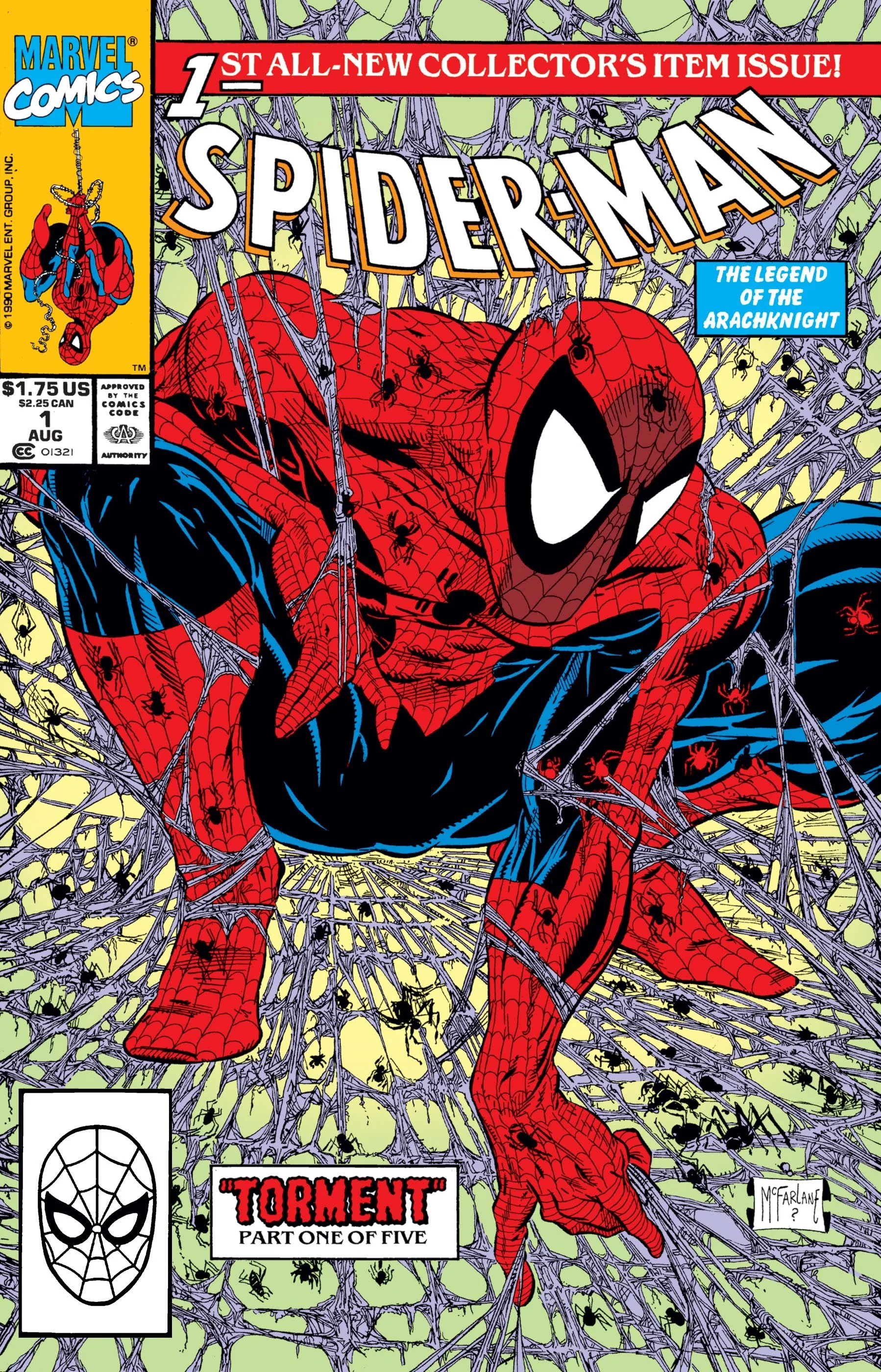
Amazing Spider-Man remained the most frequently traded title, but Spider-Man (1990–1998) generated the highest sales total at $39,764.
New Mutants followed with $29,085, while Amazing Spider-Man finished third with $28,070.
The leading title accounted for just 28.3% of the decade's $140,699 in combined Top Five sales, the smallest share recorded by any decade leader in this reporting period.
That result is particularly interesting because it shows a relatively even distribution of spending across the leading publications. Spider-Man finished first, but its advantage over the other titles was far less pronounced than in some other results.
The 2000s offered a different outcome.
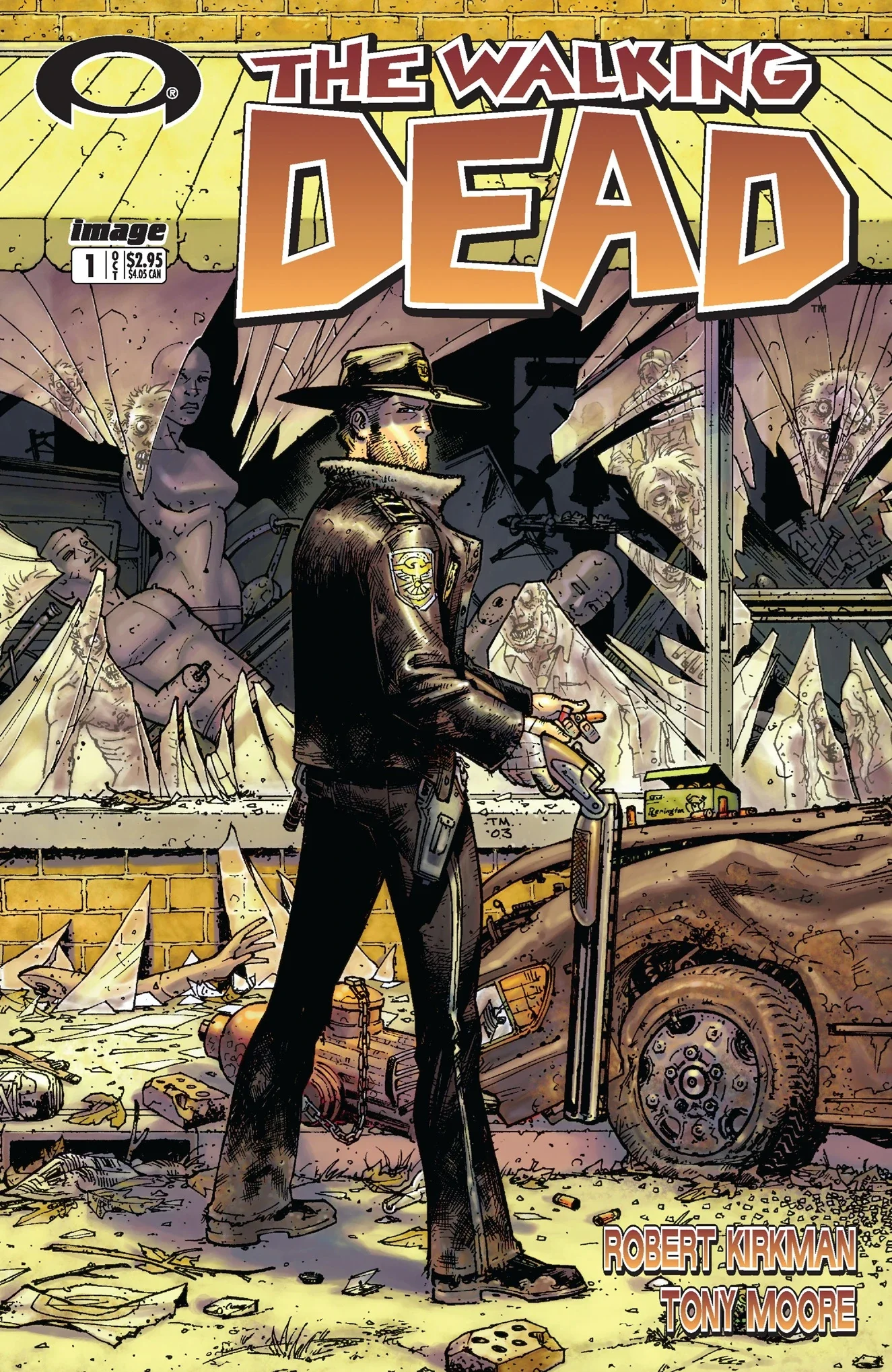
Amazing Spider-Man again led volume, but Invincible (2003) emerged as the decade's highest seller, generating $48,001. Walking Dead followed at $16,420, while Batman contributed $15,075. Invincible was second by trading volume, yet its sales value was almost three times that of Walking Dead. It also accounted for 47.2% of the decade's $101,638 in combined Top Five sales.
This was a more concentrated result than the 1990s, with one publication attracting a much larger proportion of spending.
The 2010s continued to demonstrate the separation between transaction counts and financial value. Amazing Spider-Man (2014) led volume, supported by issues #1 and #4 appearing among the decade's most-traded individual comics.
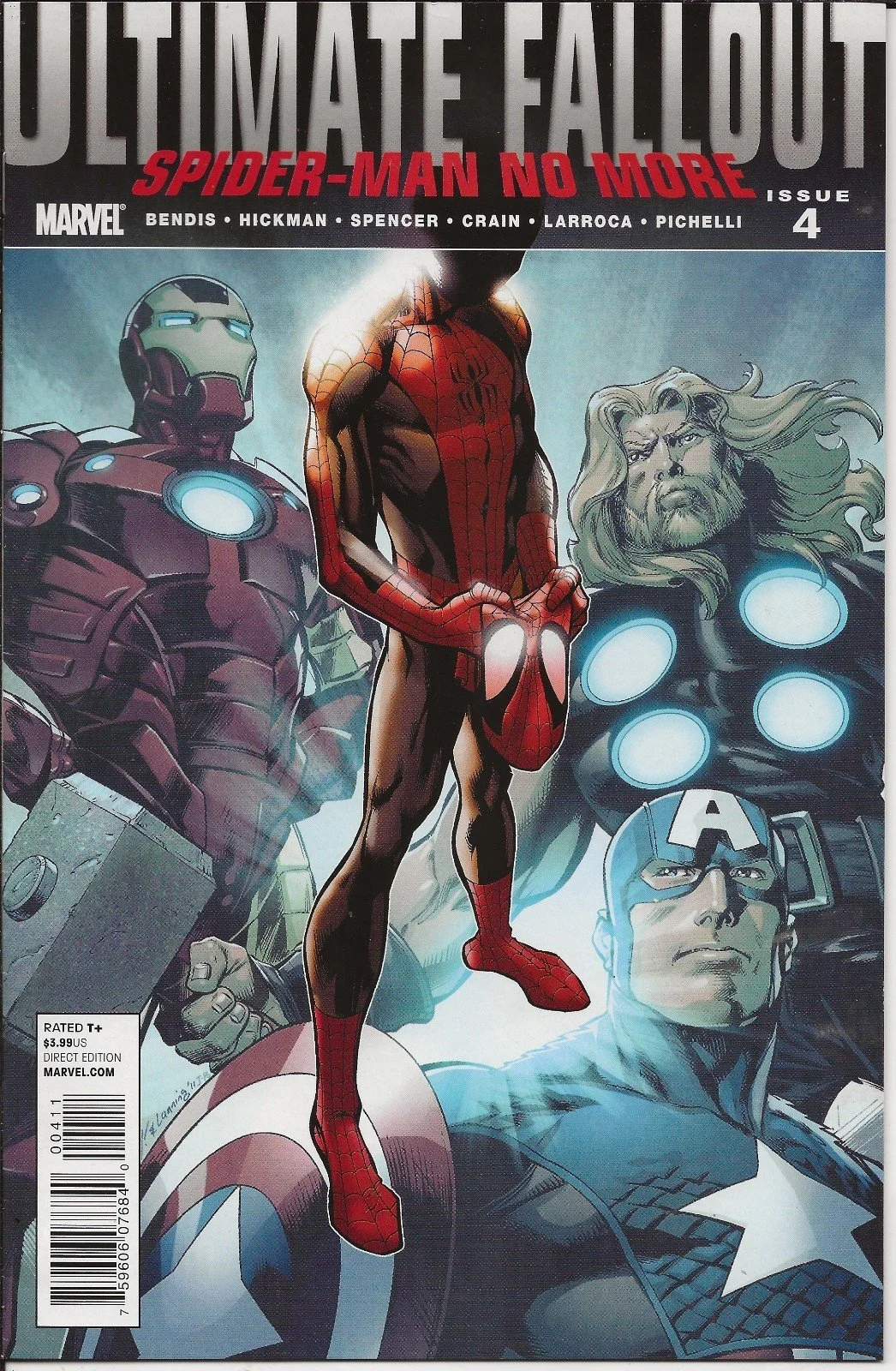
However, Ultimate Fallout (2011) claimed the highest sales total at $33,825, with issue #4 also ranking as the decade's most frequently traded individual issue. Detective Comics followed with $15,665, ahead of Something is Killing the Children at $11,070. Ultimate Fallout represented 42.1% of the decade's $80,404 in combined Top Five sales. Across these three decades, the leading sales titles were different from the volume leaders every time.
It's a useful demonstration of why popularity and spending should be examined separately. Transaction counts establish which publications are changing hands most frequently, but sales value reveals where the greater financial commitments are being made.

Absolute Batman and the Extraordinary Concentration of the 2020s
The 2020s delivered one of the fortnight's most striking results.
Absolute Batman (2024) generated $230,253 in sales, making it the second-highest-selling decade-title combination in the entire dataset, behind only Amazing Spider-Man's $290,940 from the 1960s. Its performance becomes even more remarkable when compared with the other leading titles from the same decade.
Amazing Spider-Man (2022) finished second with $14,216. Batman (2016) followed with $12,952, ahead of Amazing Spider-Man (2025) at $10,549 and D'Orc at $9,265.
Collectively, those four titles generated $46,982.
Absolute Batman, by comparison, accumulated nearly five times that amount on its own. The decade's combined Top Five sales reached $277,235, meaning Absolute Batman accounted for 83.1% of the total.
No other decade's leading title approached that level of concentration. Trading volume reinforced the result. Absolute Batman led the title rankings and supplied three of the five most-traded individual issues: #1, #20 and #22.
Yet the broader volume rankings also presented an interesting contrast. Bangers Cover Gallery ranked second by trading activity and supplied two of the five most-traded issues, but did not appear among the decade's five highest-selling titles.
The 2020s therefore demonstrated both sides of the market: substantial trading activity across different publications, but an unusually large concentration of sales value around a single title.
Two Leading Titles, Two Very Different Markets
Perhaps the clearest comparison in the entire dataset is between Amazing Spider-Man's performance in the 1960s and Absolute Batman's performance in the 2020s.
Both titles generated considerable sales, but the spending distribution around them was fundamentally different. Amazing Spider-Man led the 1960s with $290,940, representing 30.3% of the decade's combined Top Five sales of $959,514. Absolute Batman generated $230,253, representing 83.1% of the 2020s' combined Top Five sales of $277,235.
In dollar terms, Amazing Spider-Man finished $60,687 ahead. But the comparison becomes considerably more revealing when we look beyond those two titles. The other four leading publications from the 1960s generated $668,574. The equivalent four titles from the 2020s generated just $46,982.
The 1960s therefore presented a much broader contest for collector spending. Amazing Fantasy, Fantastic Four, X-Men and Avengers all made significant contributions alongside Amazing Spider-Man.
By contrast, the 2020s were dominated financially by Absolute Batman, with a substantial gap between the leading title and everyone else. Neither result means every comic from one decade outperformed another. These comparisons cover only the five highest-selling titles in each decade during this reporting period.
What they do show is that a high sales total can emerge from very different circumstances: either a competitive group of publications generating substantial spending collectively or one exceptional title commanding the overwhelming majority.
Final Thoughts
Looking at the highest-selling CGC comic title from every decade reveals considerably more than a collection of first-place finishes.
Amazing Spider-Man's three-decade run demonstrates the financial reach of one of comics' most established publications. The 1990s show how spending can be distributed relatively evenly across competing titles, while Invincible and Ultimate Fallout illustrate how sales leaders can emerge without dominating trading volume.
Then there's Absolute Batman, whose extraordinary share of the 2020s' Top Five sales provides the clearest example of financial concentration in this dataset.
Perhaps the most revealing finding is that the 1960s delivered both the highest-selling decade-title combination and the largest combined Top Five total, yet its leading publication represented less than one-third of that spending.
That contrast captures the value of looking beyond headline figures. The biggest-selling title tells us where the most money went. The competition behind it tells us how that money was distributed.