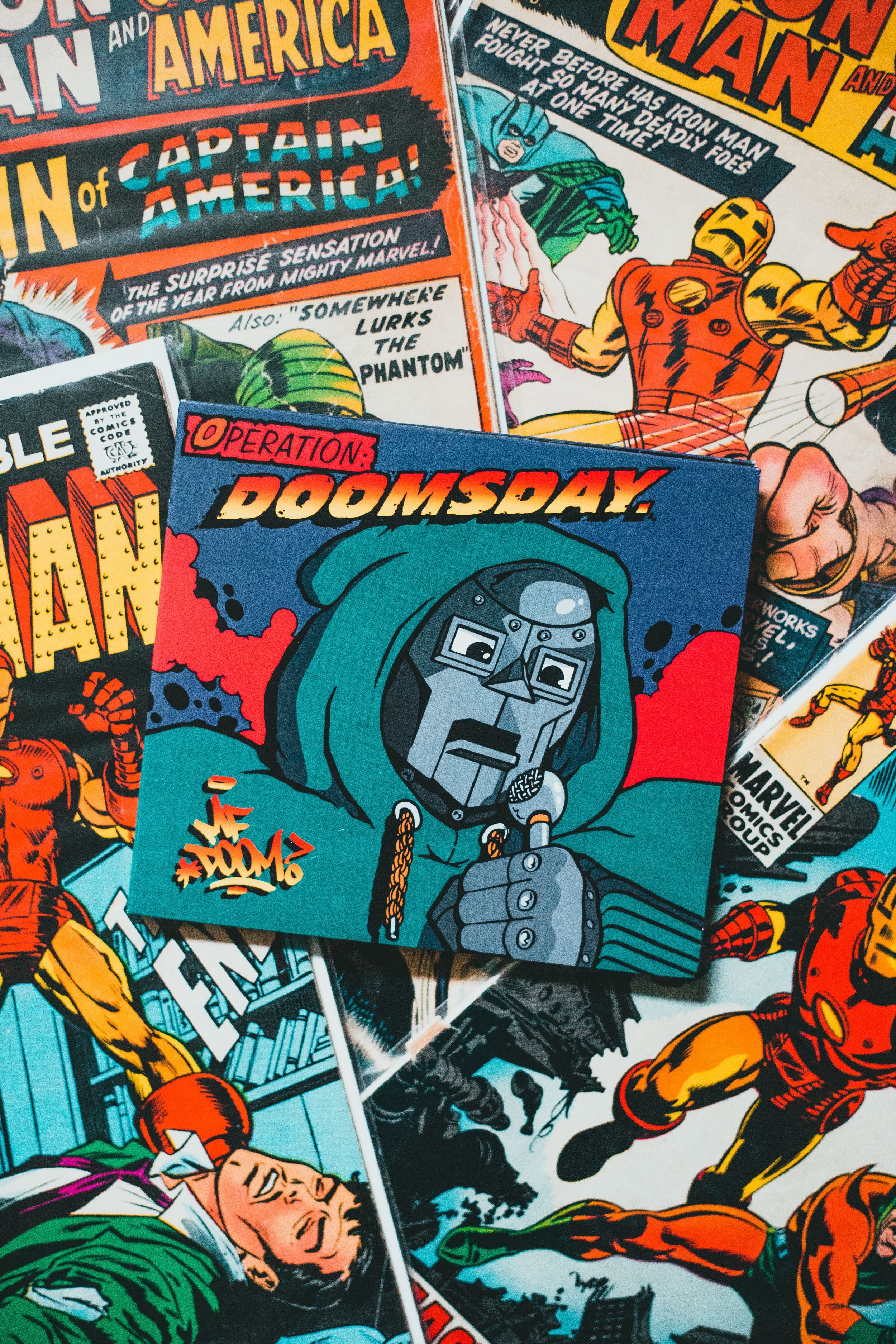
Pexels — “Comic Books on the Table” by Erik Mclean
There are few topics in collecting that divide the room faster than grading.
For some collectors, a graded comic book is the cleanest version of the hobby: authenticated, protected, recorded, and easier to compare against previous sales. For others, it is a plastic coffin, a price multiplier, and one more step away from the simple joy of holding a book, reading it, smelling the paper, and remembering why they bought it in the first place.
Both sides have a point.
Grading comic books, magazines and manga books can be incredibly important. But that does not mean every collector needs to grade every book. In fact, one of the biggest mistakes collectors make is assuming that grading automatically makes a book “better”. It does not. It makes it certified. Those are two different things.
What grading actually gives collectors
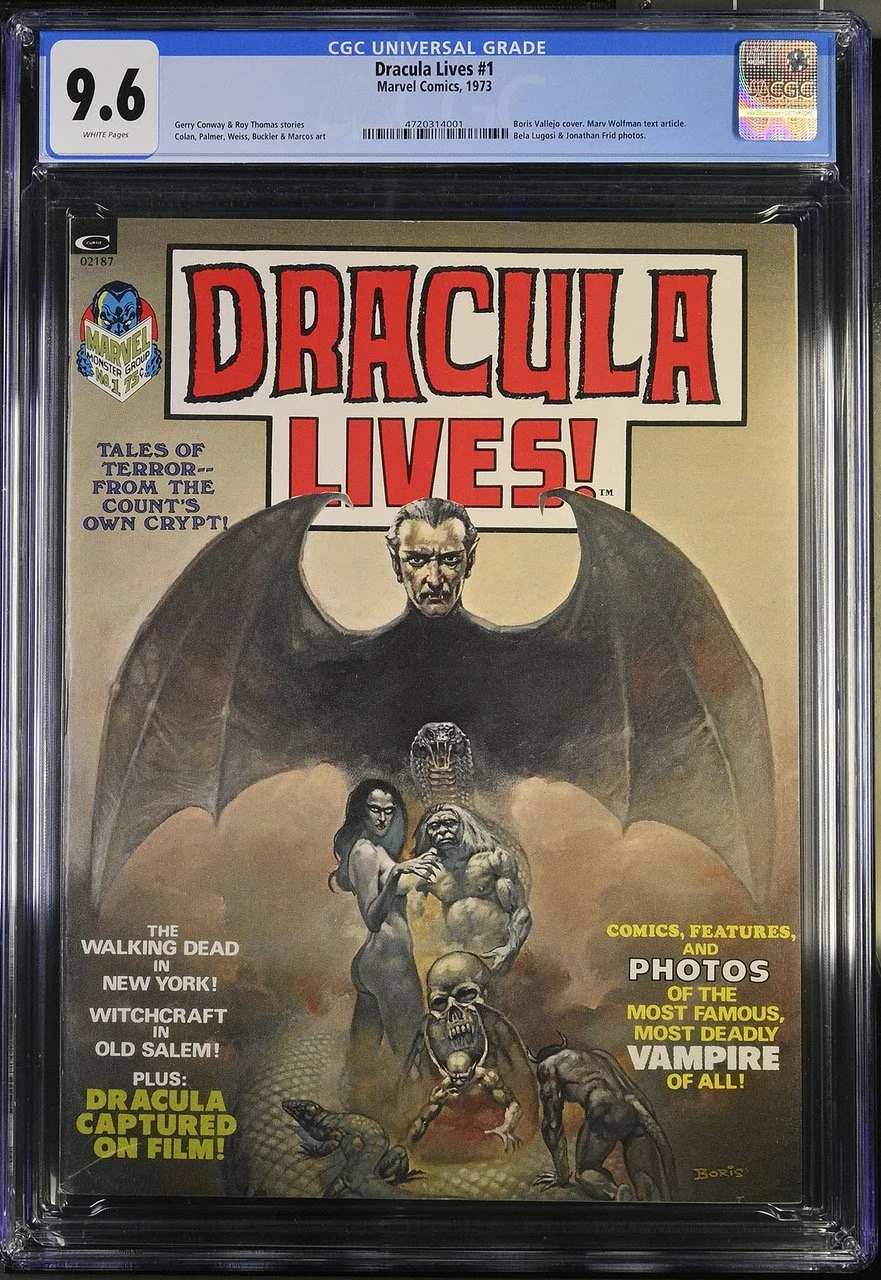
Pedigree Comics
At its best, third-party grading gives collectors confidence.
A comic, magazine or manga book is assessed by a professional grading company, assigned a condition grade, checked for major defects or restoration, then sealed in a protective holder. The label records key information such as title, issue number, publisher, date, grade and sometimes notable details like first appearances, variant status, signatures or restoration.
That matters because condition is one of the biggest drivers of value in this hobby. Two copies of the same book can look similar to the casual eye, but a 9.8 and a 9.4 can live in very different price worlds. On older books, the difference between a 6.0 and an 8.0 may be even more meaningful. The grade creates a shared language.
Instead of saying, “It looks pretty nice,” collectors can say, “It is a certified 8.5.” That does not remove all debate, but it narrows the argument.
And in a hobby where arguments over condition have probably ended more friendships than Monopoly, that is not nothing.
Grading helps the market breathe
One of the biggest advantages of grading is market transparency.
When a book is graded, sold and recorded, it becomes part of a wider data trail. Collectors can compare recent sales of similar graded copies and make more informed decisions. That is especially useful for key comics, scarce magazines, hard-to-find manga editions, newsstand copies, price variants, foreign editions, signed books and books where condition is difficult to judge from photos alone.
A graded book is easier to sell online because the buyer is not relying entirely on the seller’s opinion. They still need to trust the transaction, but the grade removes a large part of the guesswork.
That is why grading often matters most when a book leaves your personal collection and enters the marketplace. Inside your own collection, your opinion may be enough. In the market, buyers usually want something more than “trust me”.
Protection is part of the appeal
Collectors also grade books for preservation.
A graded holder helps protect a book from handling, fingerprints, spine stress, corner dings and general human clumsiness. That matters for high-grade modern comics, delicate Golden Age and Silver Age books, glossy magazine covers, square-bound books and manga volumes where sharp corners and clean surfaces can be difficult to maintain.
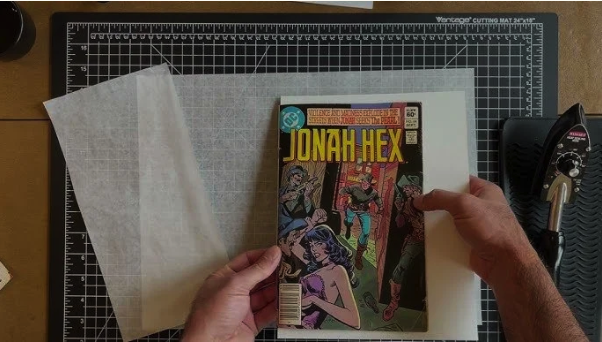
epicomicology comics
But let’s be honest. A slab is not magic.
It does not stop time. It does not reverse tanning. It does not make poor storage safe. Heat, humidity, sunlight and bad shelving can still cause damage. A graded book still needs to be stored properly.
The slab is protection, not immortality.
Restoration detection can be a major reason to grade
For higher-value vintage books, grading can provide something even more important than a number: disclosure.
Restoration, trimming, married pages, colour touch, glue and other forms of alteration can have a major impact on value. Some restoration is obvious. Some is not. Many collectors have bought books raw, believed they were untouched, then discovered later that the book was not what they thought it was.
This is where third-party grading can be extremely useful. A restored or conserved label is not a death sentence, despite what some collectors might say, but it is important information. The real problem is not restoration. The real problem is undisclosed restoration.
Collectors can still love restored books. They can still present beautifully. They can still fill very difficult gaps. But the price should reflect what the book actually is. For more on restoration and preservation see our previous article here.
Grading is especially useful for expensive books
The stronger the value of the book, the stronger the argument for grading.
If a comic, magazine or manga book is worth a significant amount of money, grading can help with selling, insurance, estate planning and general peace of mind. It can also reduce disputes between buyer and seller.
This is particularly true for:
Key first appearances
Major character issues
Scarce variants
High-grade vintage books
Signed books
Rare magazines
Golden Age, Silver Age and Bronze Age books
Low-population census books
High-demand manga first prints or unusual editions
Books with suspected restoration or hidden defects
In these cases, grading can act like a seatbelt. You may not think about it every time you drive, but when it matters, it really matters.
But no, collectors do not need to grade everything
Here is the part that sometimes gets lost.
Collectors do not need to grade their books to be “real” collectors.
A raw collection is not inferior. A reader copy is not a failure. A bookshelf full of manga is not less meaningful because it is not sealed in plastic. A magazine collection does not suddenly become more legitimate because each issue has a number printed on a label.
Grading is a tool. It is not the hobby itself.
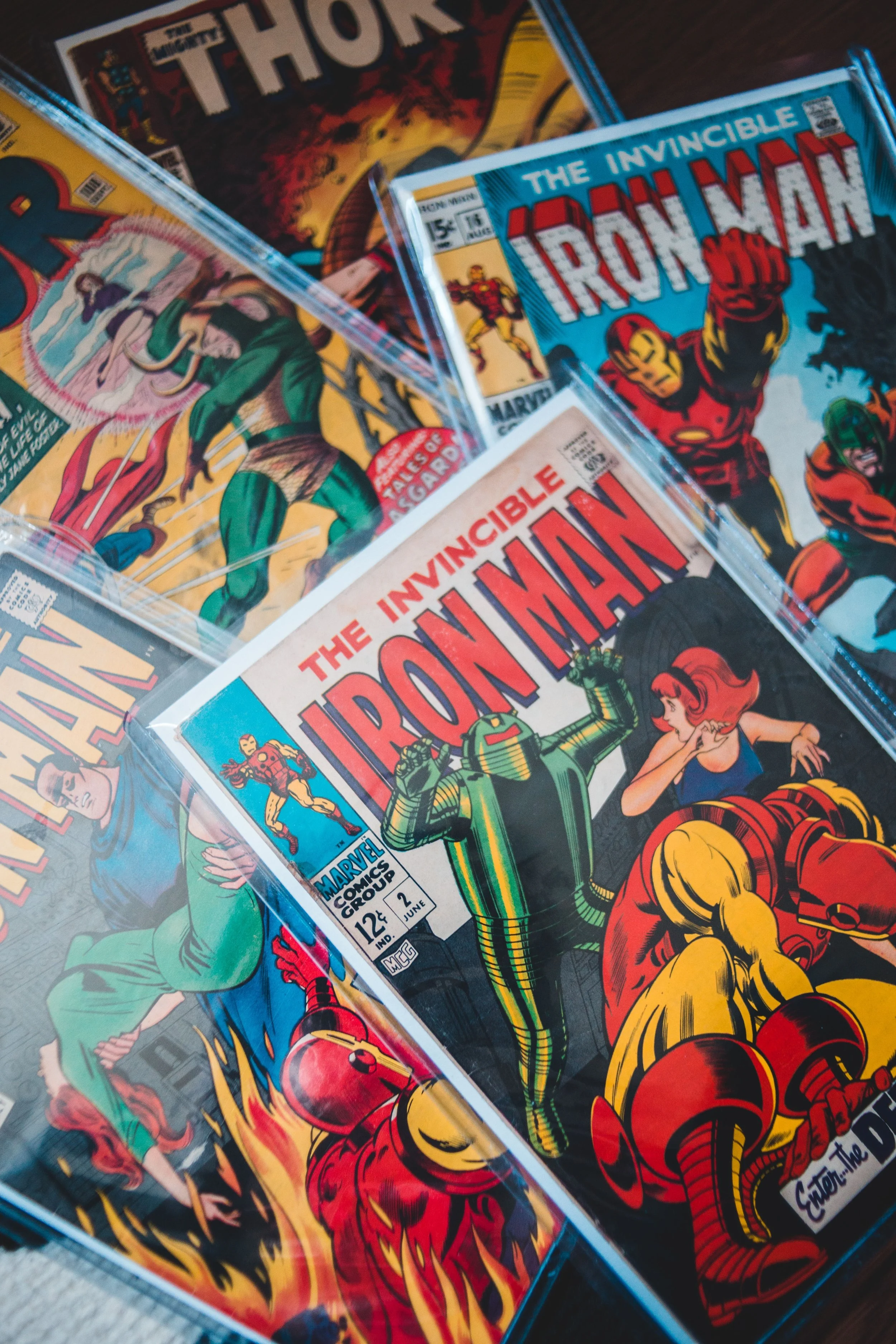
Pexels — Erik Mclean
If you love opening your books, reading them, admiring the art, comparing paper stock, checking advertisements, studying print history or simply enjoying the physical object, grading may actually reduce your enjoyment.
There is something slightly absurd about buying a book because you love it, then paying to make sure you can never open it again.
Sometimes that absurdity is worth it. Sometimes it is not.
The cost question matters
Grading has a cost. Not just the grading fee, but shipping, insurance, handling risk, pressing, cleaning, turnaround time and sometimes customs or international postage.
Before grading a book, collectors should ask a simple question:
Will grading add enough value, protection or confidence to justify the cost?
For a $3,000 book, the answer may be obvious. For a $40 book, probably not. For a sentimental childhood comic, value may not matter at all. For a modern book that already has thousands of 9.8 copies on the census, grading might be more about personal preference than investment sense.
The danger is grading by habit instead of purpose.
Not every book deserves a slab. Some books deserve a Mylar, a board and a comfortable spot in the collection.
Manga and magazines deserve a slightly different conversation
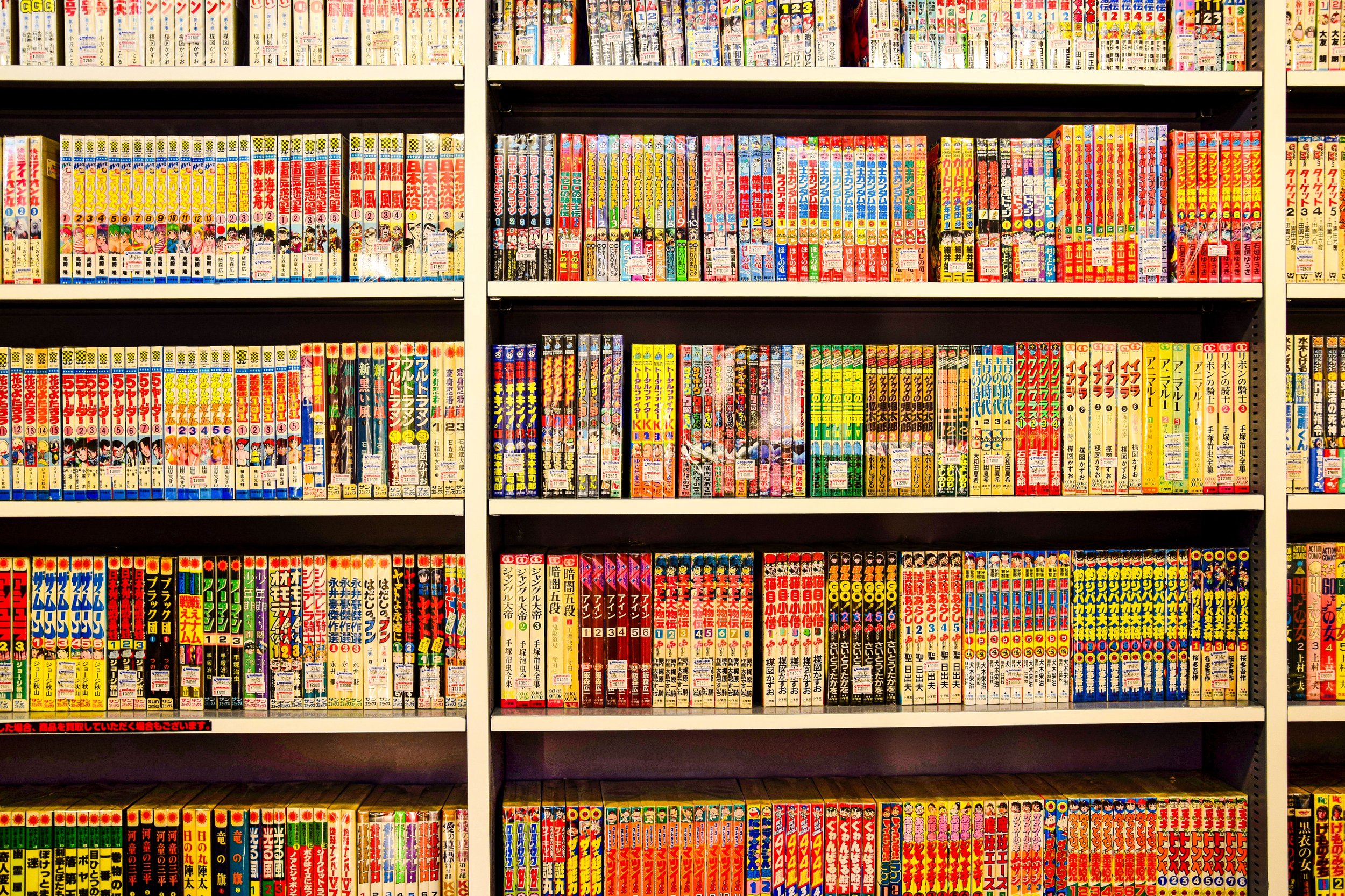
Pexels — AXS Photography
Comic grading is now well established, but magazines and manga are still more complicated.
Magazines are often larger, more fragile and harder to store cleanly. They may have spine wear, overhang, subscription creases or cover rubbing that does not always compare neatly to comic defects. Grading can be helpful for important magazine keys, horror magazines, science fiction magazines, first appearances, early interviews, classic covers and culturally significant issues.
Manga is different again. Many manga collectors value full runs, readability, first printings, dust jackets, obi strips, inserts and edition-specific details. A graded manga volume may appeal to collectors chasing pristine condition, historic first volumes, early English releases or scarce Japanese editions. But for many manga enthusiasts, the joy is in reading and displaying a complete series.
A graded volume of manga can be a trophy. A raw run on the shelf can be a library. Both have a place.
The emotional side of grading
There is also a psychological benefit to grading that collectors do not always admit.
A graded book feels finished. It has been assessed, protected and filed away. The collector no longer has to wonder whether it is a 7.5 or an 8.0. The argument is over, at least for now.
That can be satisfying.
But it can also create a strange dependency. Some collectors begin to see the label before they see the book. The number becomes the object. The book becomes the thing attached to the grade.
That is where grading can become unhealthy. A 9.8 is exciting, but it is not a personality. A 6.5 can still be beautiful. A low-grade Golden Age book can have more history, charm and scarcity than a perfect modern copy printed in enormous numbers.
Collectors should remember to look at the book, not just the label.
When grading makes sense
Grading makes the most sense when there is a clear reason behind it.
Grade the book if it is valuable enough that authentication and condition certainty matter. Grade it if you plan to sell it and want stronger buyer confidence. Grade it if restoration detection is important. Grade it if the book is fragile, scarce or historically significant. Grade it if having it preserved and certified gives you genuine satisfaction.
That last point matters. Enjoyment is allowed. Not every decision needs to be a spreadsheet.
But grading should still be intentional.
When grading may not be worth it
Grading may not make sense if the book is low value, easy to replace, heavily common, mainly sentimental, or something you still want to read. It may not be worthwhile if the expected grade is too low to justify the cost, or if the market already has plenty of graded copies with weak demand.
It also may not make sense if the collector is only grading because everyone else seems to be doing it.
That is not collecting. That is peer pressure in a hard plastic case.
The balanced collector’s answer
So, is grading important?
Yes.
Do collectors and enthusiasts need to grade their books?
No.
And that is probably the healthiest answer.
Grading is important because it brings structure to condition, confidence to transactions, protection to important books and transparency to the market. It helps collectors understand what they own and helps buyers compare one copy against another.
But grading is not compulsory. It is not a badge of seriousness. It is not the only way to protect or enjoy a collection. Some books belong in slabs. Some belong in Mylar. Some belong in short boxes. Some belong on a shelf, ready to be read again.
The best collectors understand the difference.
In the end, grading should serve the collection. The collection should not serve the grading company.