What the Latest CGC Market Data Says About Collector Demand

Every fortnight, the headline numbers tell one story. Total sales, books sold, median price, and top sale. Useful, yes. But the more interesting story often hides beneath those figures.
The latest GPAnalysis data, covering CGC-graded comics, magazines and pulps sold between June 2 and June 15, 2026, show a market not defined by a single giant result. Instead, it was shaped by thousands of smaller collector decisions across decades, genres and formats.
That matters. Because when there is no single blockbuster sale dominating the conversation, the broader patterns become easier to see.
This period was a useful reminder that the graded market is not one market. It is several overlapping markets moving at once: Silver Age Marvel keys, Bronze Age staples, 1980s character books, modern title-driven demand, and increasingly visible pulp material.
Source: GPAnalysis.com, sales recorded from June 2 to June 15, 2026.
The Market Still Has Depth
The fortnight produced $6.3M in sales from 18,448 individual CGC-graded books, with a median sale price of $100.
That median figure is important because it shows where much of the action still sits. While major keys and rare books continue to draw attention, a meaningful amount of market activity is still happening at collector-friendly price points.
This was not a fortnight carried by a seven-figure Golden Age grail or a record-setting Silver Age superhero key. It was carried by volume, consistency and repeatable demand.
In other words, collectors were still buying. They just were not all chasing the same kind of book.
Spider-Man Remains the Market’s Volume Engine

The most traded title of the fortnight was once again Amazing Spider-Man, The (1963), with 1,102 books sold, totalling approximately $0.5M in sales.
That result continues a familiar trend. Amazing Spider-Man is not simply one of the strongest titles in the graded market; it is one of the market’s most reliable engines.
Its strength is not limited to a single issue or decade. Across the latest data, Spider-Man appeared repeatedly through the 1960s, 1970s, 1980s and 1990s, with demand spread across major keys, first appearances, costume milestones and nostalgia-driven books.
That kind of depth is difficult to replicate. Many titles have one or two major issues that collectors chase. Amazing Spider-Man has an entire ecosystem.
Pulps Are No Longer Sitting Quietly in the Background
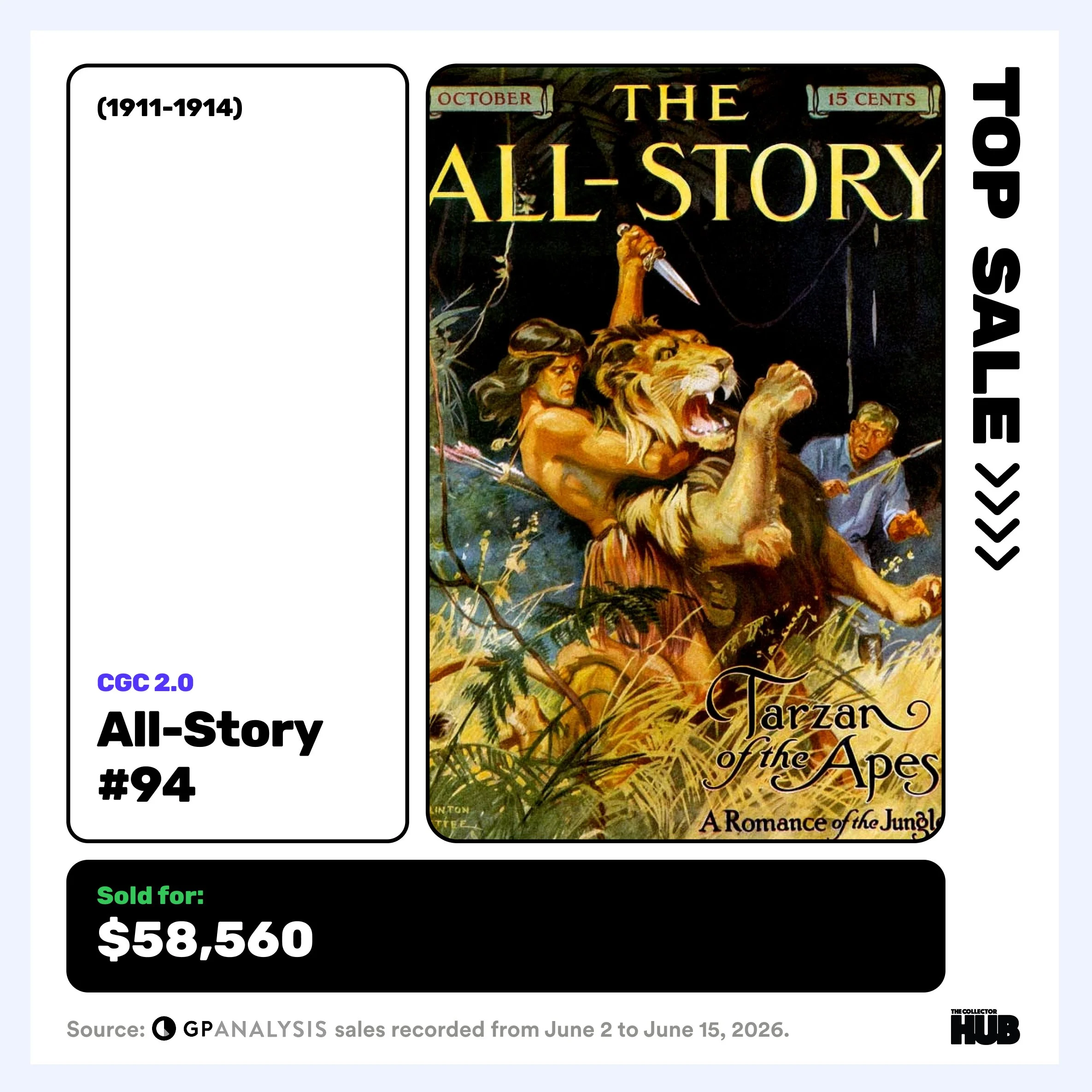
One of the more interesting features of this period was the strength of pulp material.
The highest sale of the fortnight was All-Story (1911-1914) #94 CGC 2.0, which sold through HA.com for $58,560. That alone would have been enough to make pulps part of the conversation, but the decade data added more weight to the trend.
In the 1930s, pulp titles dominated the rankings. Weird Tales led by both volume and sales, generating $156,095, followed by Spicy Mystery Stories at $133,407 and Saucy Movie Tales at $103,334.
These are not superhero books. They are not modern variants. They are earlier, scarcer, historically important publications that appeal to a different kind of collector.
Their performance shows that CGC-graded market activity continues to expand beyond traditional comic book lanes. For collectors, pulps offer scarcity, age, cover appeal and cultural history. For the market, they add another layer of high-interest material that does not always follow the same patterns as superhero comics.
Silver Age Marvel Is Still the Backbone
The 1960s remained one of the strongest areas of the market.
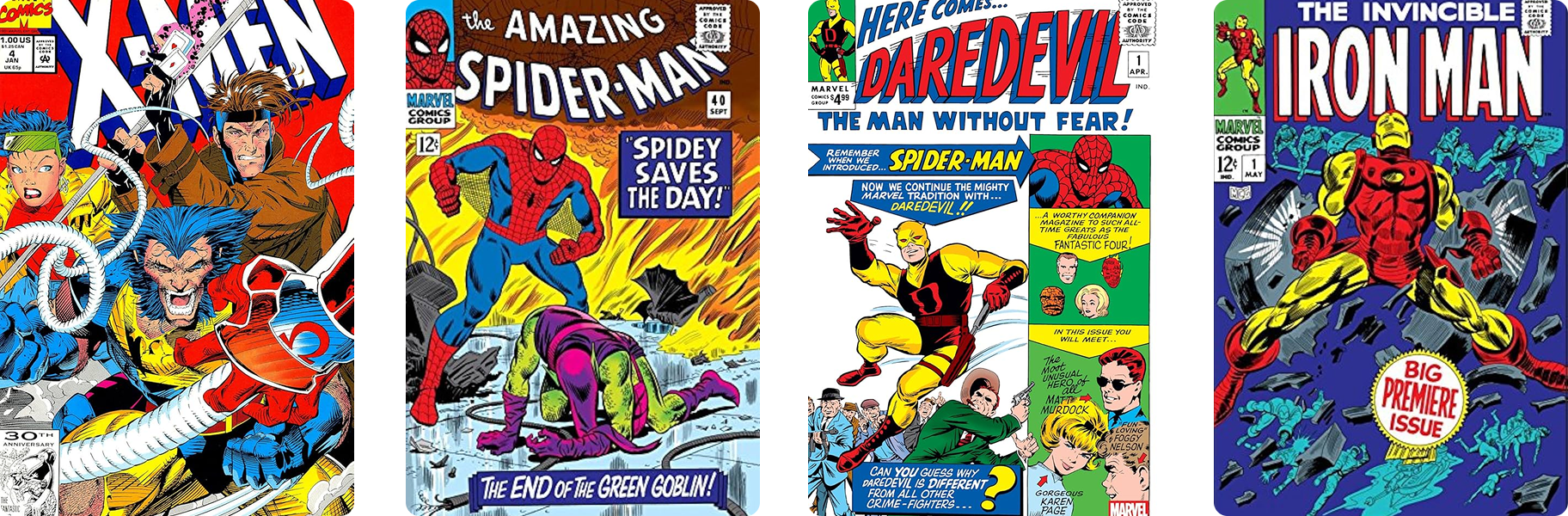
Amazing Spider-Man led the decade by both volume and sales, generating $256,404. Fantastic Four followed at $140,591, while X-Men reached $123,624. Amazing Fantasy and Incredible Hulk rounded out the top five by sales.
The most-traded issues were equally telling: Iron Man #1, Daredevil #1, Fantastic Four #48, Amazing Spider-Man #40, and X-Men #4.
That mix captures much of what keeps Silver Age Marvel so central to graded collecting. These books combine major first appearances, major character launches, major villain moments and long-term cultural relevance.
Even when the very top of the market is quieter, Silver Age Marvel continues to provide a strong foundation.
Bronze Age Demand Remains Concentrated Around Proven Keys
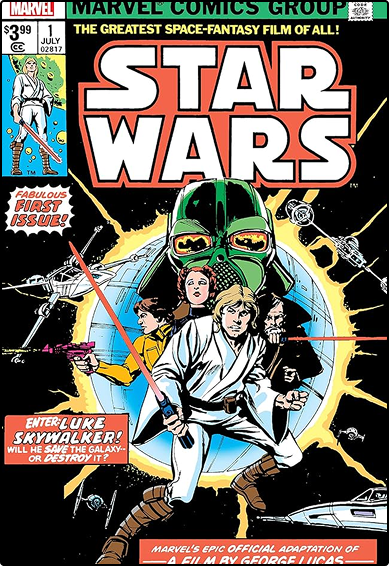
The 1970s were led by familiar names: Amazing Spider-Man, X-Men, Star Wars, Incredible Hulk and Fantastic Four.
The most traded issues were exactly the kinds of books collectors would expect to see near the top: Star Wars #1, Incredible Hulk #181, Amazing Spider-Man #194, Giant-Size X-Men #1 and Amazing Spider-Man #129.
This was not a list driven by surprises. It was a list driven by pillars.
That is the story of the Bronze Age in this period. Demand was concentrated around books with established collector significance: Wolverine, the Punisher, Black Cat, the new X-Men and Star Wars.
These books have been tracked, debated, bought and sold for years, but they continue to move because they remain central to how many collectors build their want lists.
The 1980s Continue to Belong to Symbiotes, Secret Wars and Wolverine
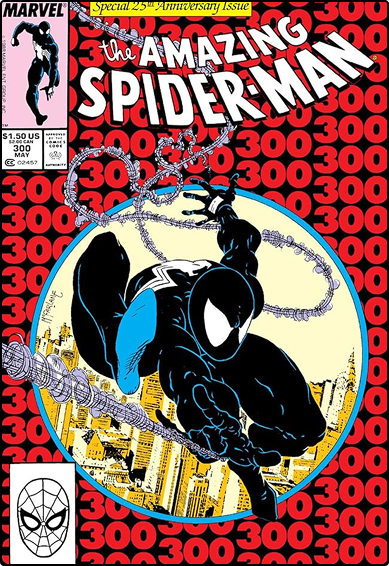
The 1980s delivered another familiar pattern.
Amazing Spider-Man #300 was the most traded issue of the decade, followed by Marvel Super Heroes Secret Wars #8, Amazing Spider-Man #252, Omega Men #3 and Wolverine Limited Series #1.
By title sales, Amazing Spider-Man led with $103,956, well ahead of Marvel Super Heroes Secret Wars at $29,432 and Wolverine Limited Series at $20,329.
This is one of the clearest character-driven zones in the market. Venom, the Black Suit, Wolverine, and Lobo continue to drive demand in the 1980s.
The era benefits from a combination of nostalgia, character popularity and relative accessibility. Many of these books are expensive in high grade, but still visible enough in the market to trade consistently.
The 1990s Are Still Powered by Nostalgia and Recognisable First Issues
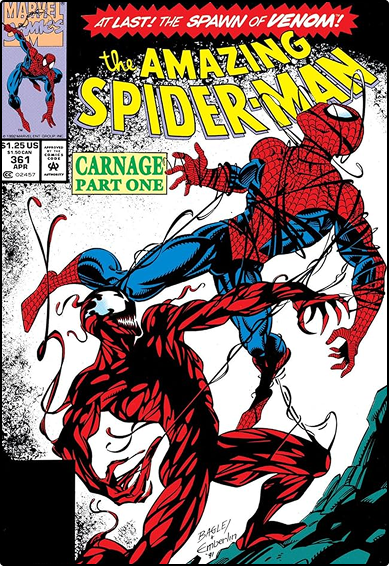
The 1990s were led by books that speak directly to the era’s collector memory.
The most-traded issues included Spider-Man #1, X-Men #1, Spawn #1, Amazing Spider-Man #361, and Venom: Lethal Protector #1.
These are high-recognition books. Some were produced in enormous quantities, while others carry a stronger key status, but they all benefit from the same thing: collectors know them instantly.
By sales, Spider-Man (1990-1998) led the decade at $28,850, followed by Uncanny X-Men, Amazing Spider-Man, New Mutants and Spawn.
The 1990s market is not always about scarcity. Often, it is about memory, presentation, grade and character attachment. For many collectors, these books are entry points into graded collecting because they are familiar, visually iconic and tied to a specific collecting era.
Modern Demand Is Highly Selective
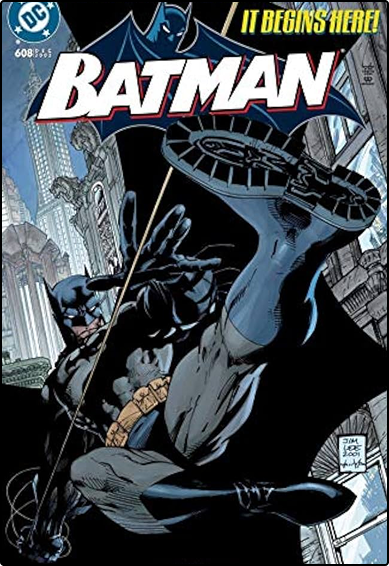
The 2000s, 2010s, and 2020s showed more selective demand.
In the 2000s, Invincible led by both volume and sales, generating $33,851, followed by Walking Dead at $13,346. The most-traded issues included Spider-Man Noir #1, Hulk #1, Batman #608, NYX #3, and Batman #655.
In the 2010s, Invincible led again, while Ultimate Fallout #4, Edge of Spider-Verse #2, and key Amazing Spider-Man issues continued to appear among the most-traded books.
Then, in the 2020s, Absolute Batman (2024) stood apart. It led the decade by both volume and sales, generating $101,856.
That made Absolute Batman one of the strongest individual title performances of the entire fortnight.
The lesson here is that modern demand can be powerful, but it is rarely evenly spread. Collectors tend to cluster around specific titles, characters, variants, first appearances and media-connected books. When a modern book catches sustained attention, the sales can be significant. But outside those focused pockets, the market becomes far more selective.
The Fortnight Belonged to Breadth, Not Blockbusters
The latest data was not defined by a single record-setting comic sale. That is what made it interesting. Instead, the market showed breadth.
Spider-Man continued to dominate volume. Pulps made a strong case for their place in the graded conversation. Silver Age Marvel remained foundational. Bronze Age keys held steady. The 1980s were led by familiar character milestones. The 1990s leaned into nostalgia. Modern demand clustered around select titles like Invincible and Absolute Batman.
That is a healthier and more complicated story than simply saying the market was up or down. Collectors are not all chasing the same thing. Some are chasing scarcity. Some are chasing childhood favourites. Some are chasing first appearances. Some are chasing genre history. Some are chasing modern momentum. From June 2 to June 15, 2026, the CGC-graded market showed all of those behaviours at once. And that may be the real takeaway: the market is not being carried by one lane. It is being carried by many.