Crime, Capes and Cinderella Love; the Market’s Wildcard Decade

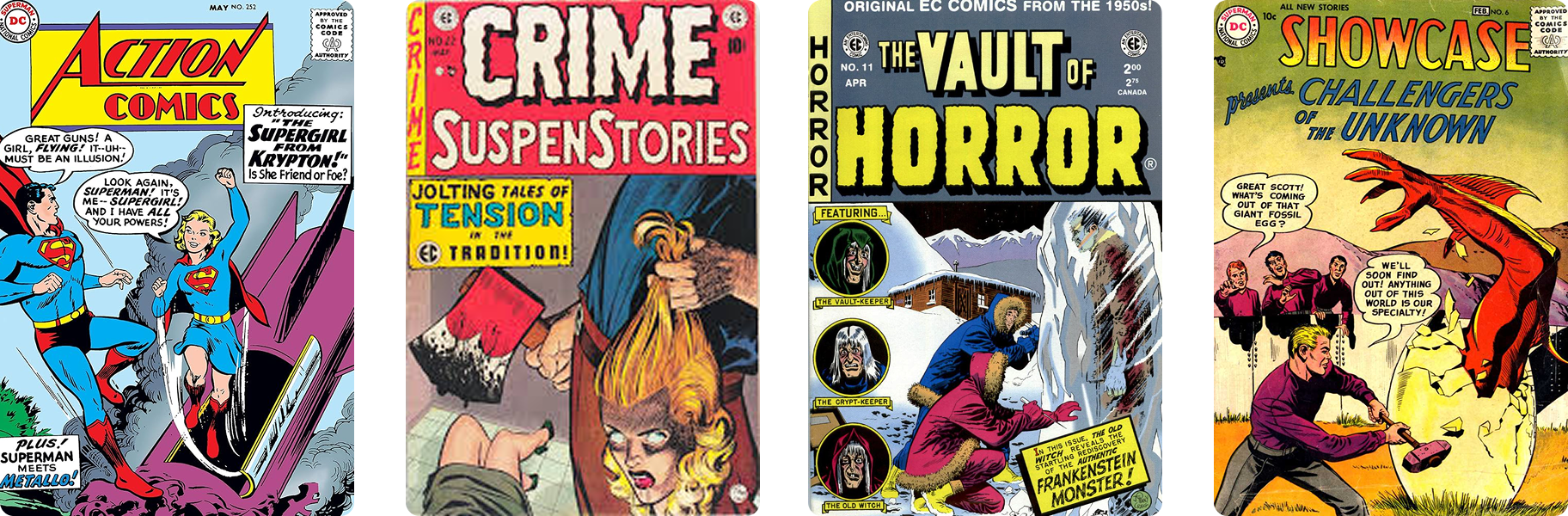
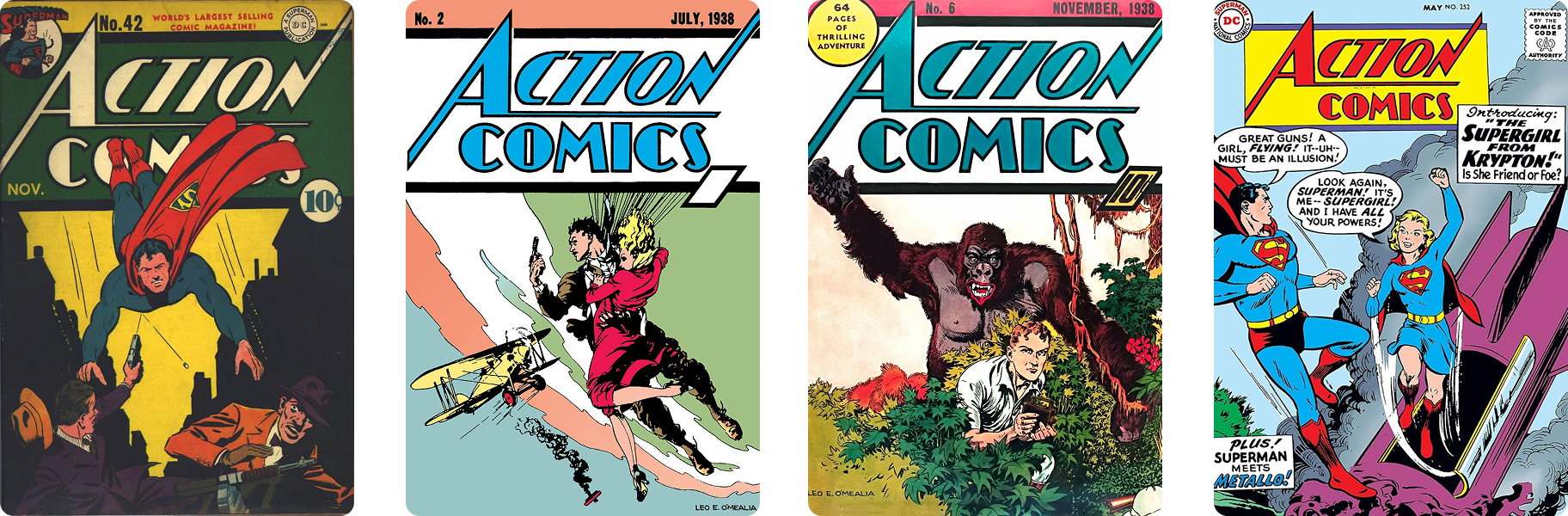
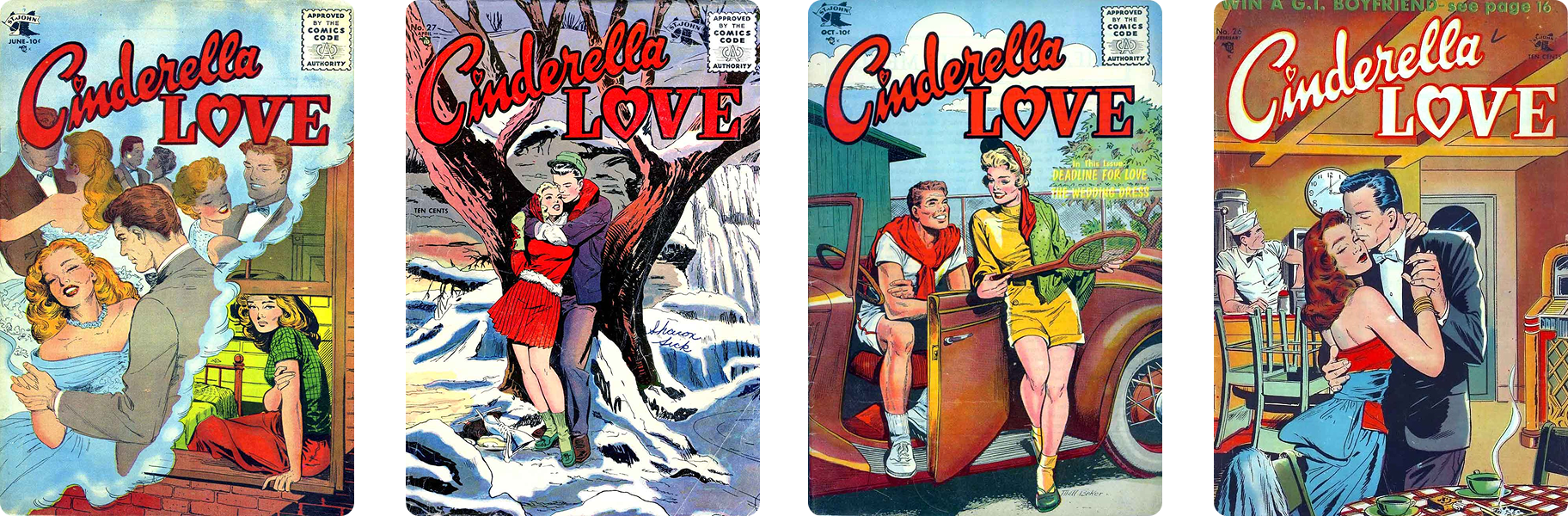
In the latest fortnight of GPAnalysis data, covering February 24 to March 9, 2026, the 1950s delivered one of the most revealing decade snapshots in the entire CGC market. Not because it was the biggest decade by dollars, and not because it was dominated by a single obvious franchise, but because it showed just how mixed and unpredictable collector demand can be when a decade sits between eras. On the volume side, the 1950s were led by familiar superhero pillars like Batman, Four Color, Superman, and Detective Comics. But on the sales side, the picture became far stranger and far more interesting: Action Comics led the decade with $51,341, followed closely by Batman at $44,044 and Crime SuspenStories at $43,456, while Showcase and the unexpected Cinderella Love rounded out the top five.
Source: GPAnalysis.com, sales recorded from Feb 24–Mar 9, 2026.
Market Observations
The 1950s showed a wonderfully mixed lane, where superhero continuity met EC-era tension and even a romantic outlier made the sales leaderboard.
Top 5 titles by sales
Some decades tell a very clean story. The 1960s are usually about Marvel’s foundational strength. The 1970s often revolved around first appearances and the ignition of franchises. The 2020s tend to reflect launch heat and fast-moving modern speculation. The 1950s do something else entirely. They refuse to settle into one lane.
That is what makes this decade so rich editorially. In one fortnight, the 1950s gave us superhero continuity through Batman, Superman, Action Comics, and Detective Comics. It gave us post-war genre strength through Crime SuspenStories and Vault of Horror. It gave us an early Silver Age spark through Showcase #6 and Action Comics #252. Then, just to make sure the decade stayed gloriously difficult to pigeonhole, it gave us Cinderella Love in the top five by sales.
That mix is the story.
The decade does not behave like a narrow collector lane built around one dominant title family. Instead, it behaves like a crossroads. Golden Age superhero books are still present. Horror and crime books are clearly alive. Proto-Silver Age superhero interest is building. Romance can still punch through when the right book appears. In other words, the 1950s are not one market. Several adjacent markets are colliding in the same reporting window.
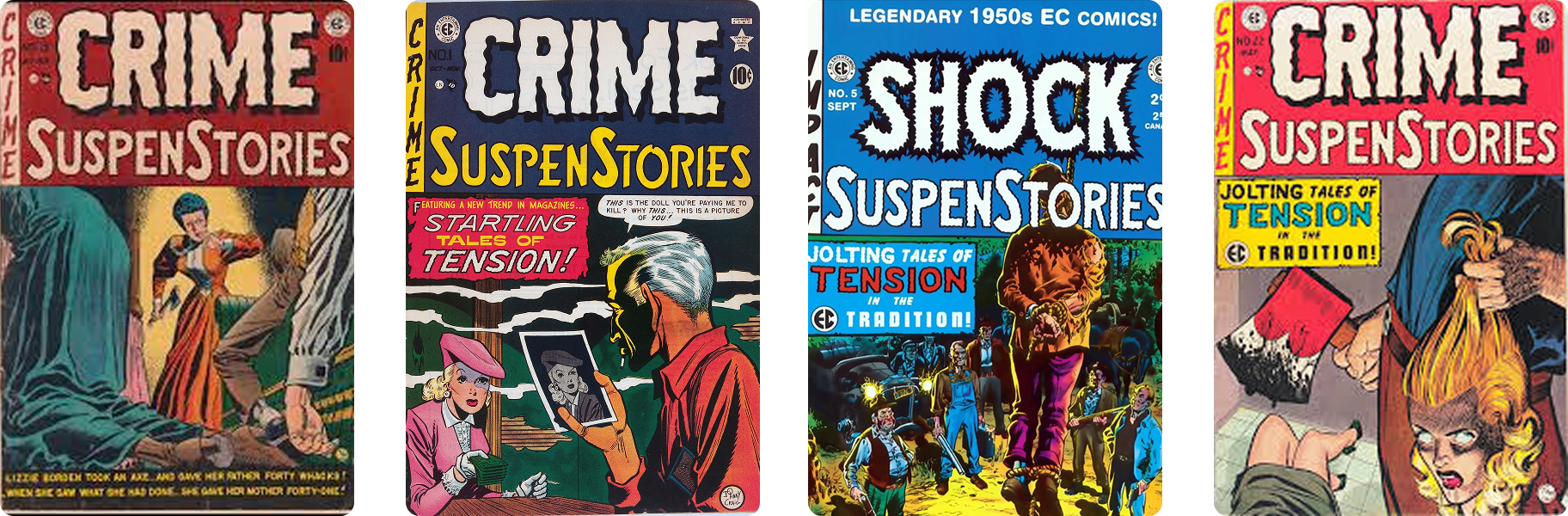
The most traded issues reinforce the same point. Action Comics #252 stands out as a major DC key with lasting historical importance. Crime SuspenStories #22, Crime SuspenStories #18, and Vault of Horror #22 show that EC-era material remains highly relevant. Showcase #6 suggests that collectors continue to value the decade’s bridge into the superhero revival. These books do not all belong to one story. Together, they tell us that the 1950s remain one of the hobby’s most stylistically and commercially varied eras.
Why the 1950s Matter So Much
The 1950s often sit in an awkward place when collectors talk about the market in broad strokes. They can be overshadowed by the mythic status of the late 1930s and 1940s, and they can also get boxed out by the cleaner narrative of the 1960s superhero boom. But that in-between quality is exactly what gives the decade its power.
This is a period where old genres still carried real weight, while new collector narratives were beginning to form. Horror, crime, romance, funny animal, Disney-adjacent material, and capes could all still coexist in meaningful ways. That creates a very different kind of market structure than you get in more superhero-dominant decades.
It also means the 1950s can produce surprises.
A decade like the 1980s often moves in recognisable patterns: event books, first appearances, iconic covers. A decade like the 1950s can yield a sales chart in which Action Comics, Crime SuspenStories, Showcase, and Cinderella Love all make sense at once. That kind of spread tells us that collector behaviour here is driven by multiple interests — genre loyalty, historical significance, scarcity, aesthetic appeal, and plain old curiosity.
That is why the decade feels like a wildcard. Not because it lacks structure, but because it has multiple structures operating simultaneously.
The 1950s by Lane
🦇 Superhero continuity never fully left
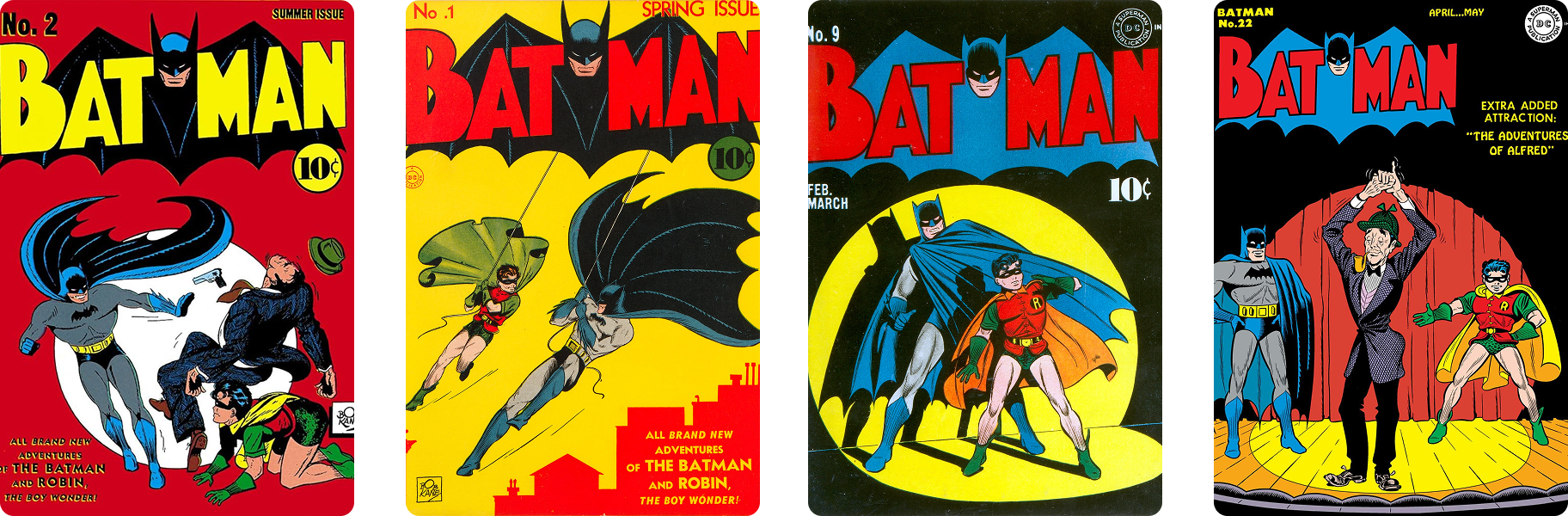
The volume charts show that superhero familiarity still provides the decade’s backbone. Batman led by volume, followed by Four Color, Superman, and Detective Comics. Even in a decade famous for genre fragmentation, capes never lost their place in collector attention. That matters because it reminds us that the road from Golden Age dominance to Silver Age resurgence was not a clean break. There was continuity, and the market still recognises it.
Action Comics #252, the most-traded issue on the list, is especially telling. It is one of those books that works at several levels at once: a DC superhero key, a major historical marker, and a highly recognisable collector target. It represents the superhero lane at its most durable.
🔪 Crime and horror still carry real weight
If superhero books provide the scaffolding, crime and horror give the 1950s its personality. Crime SuspenStories ranked third by sales in the decade, and both Crime SuspenStories #22 and #18 landed among the most traded issues. Vault of Horror #22 joined them. These are not background appearances. They are strong signals that EC-era material continues to command deep collector interest.
This matters because crime and horror books often behave differently from superhero books. They can be driven more by cover power, scarcity, pre-Code appeal, and visual memory than by franchise continuity. Their presence in the 1950s data broadens the decade’s identity and reminds us that collector demand is not always organised around character universes alone.
⚡ Showcase and the shape of what came next
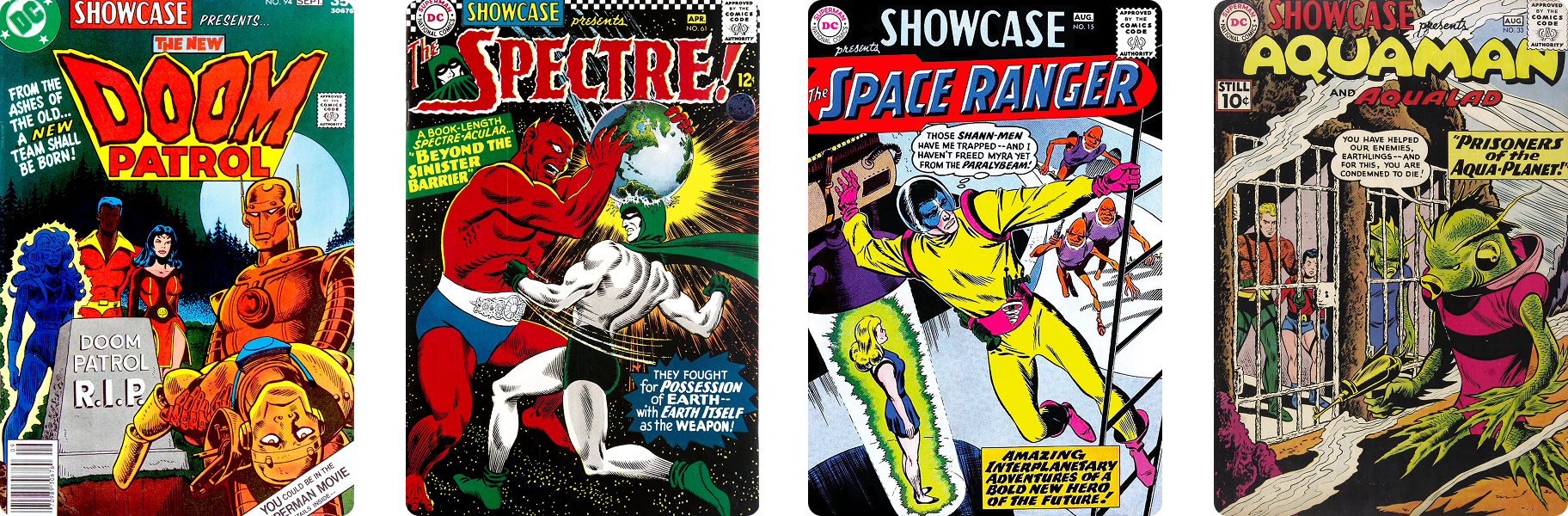
Then there is Showcase, which placed fourth in sales with $35,113, while Showcase #6 appeared in the most-traded issues. That is a subtle but important signal. The 1950s are not only about genres fading in prominence. They are also about the forms of collecting that are about to rise.
Books like Showcase sit at the threshold. They represent experimentation, transition, and the early signals of the superhero future. In market terms, they help explain why the 1950s matter beyond nostalgia. This decade contains the seeds of the next one.
💘 Cinderella Love and the decade’s strangest truth
And then, of course, there is Cinderella Love.
Its appearance in the top five by sales is the kind of detail that makes a dataset feel alive. It breaks the expected rhythm of capes, crime, and horror and reminds us that romance still has the power to surface meaningfully in the graded market. That does not necessarily mean romance is suddenly taking over the decade. What it does mean is that the 1950s remain open to niche strength, category surprises, and books that sit outside the standard superhero-first narrative.
That is the decade’s strangest truth: its quirks are not anomalies. They are part of its identity.
A Decade Built on Variety
What makes the 1950s so editorially powerful is that they resist simplification. You cannot reduce them to one franchise. You cannot explain them purely through first appearances. You cannot even define them only through superhero decline or Silver Age emergence. The data points in too many directions for that.
Instead, the 1950s read like a market built on variety.
Collectors are clearly still buying hero books. They are still chasing crime and horror. They are still responding to transitional superhero keys. They are still willing to elevate off-lane material like romance when the right books surface. That creates a decade with a different feel from the rest of the report. It feels less like a single thesis and more like a cabinet of curiosities.
And in a hobby increasingly discussed through neat categories — blue-chip, modern heat, media bump, first appearance, event book — that kind of variety is worth paying attention to.
Why This Matters Now
The broader fortnight gives this decade even more context. Across the whole market, collectors were balancing elite Golden Age money, stable Silver and Bronze Age activity, and strong modern trading. Inside that mix, the 1950s stood out as the decade most willing to break the pattern.
That is useful because it shows us where category diversity still lives.
The 1950s remind us that the CGC market is not only built on the biggest franchises. It also has room for offbeat demand, genre depth, and collector behaviour that does not always follow the cleanest headlines. That makes the decade one of the best places to spot unusual strength and hidden stories before they become obvious.
Final Panel
This fortnight’s 1950s data did not yield a clear winner or a simple narrative. It belonged to a decade that still refuses to sit still. Batman led the volume. Action Comics led sales. Crime SuspenStories and Vault of Horror proved that pre-Code energy still matters. Showcase hinted at the future. And Cinderella Love arrived like a reminder that the market is always a little stranger — and a lot richer — than the obvious stories suggest.