Silver Age Certainty: Why Marvel’s 1960s Core Still Anchors the Market

In a fortnight shaped by headline sales, Golden Age gravity, and modern heat, the 1960s once again proved why Silver Age Marvel remains one of the safest and most dependable lanes in the CGC comic market. In the latest GPAnalysis reporting window, covering February 24 to March 9, 2026, the decade was stacked with familiar giants. Amazing Spider-Man (1963) led the 1960s by volume, while Incredible Hulk (1962–1999) led by dollars at $809,034. Right behind them sat Amazing Fantasy at $500,573, followed by Fantastic Four and X-Men — a leaderboard that reads less like a surprise and more like the hobby’s structural backbone.
Source: GPAnalysis.com, sales recorded from Feb 24–Mar 9, 2026.
Market Observations
Some parts of the comic market run on bursts of heat. They respond to casting rumours, new shows, launch-week frenzy, or short windows of speculation. The Silver Age Marvel lane tends to do something different. It does not need a sudden spark to matter. It remains active because its books have already been absorbed into the long-term architecture of collecting.
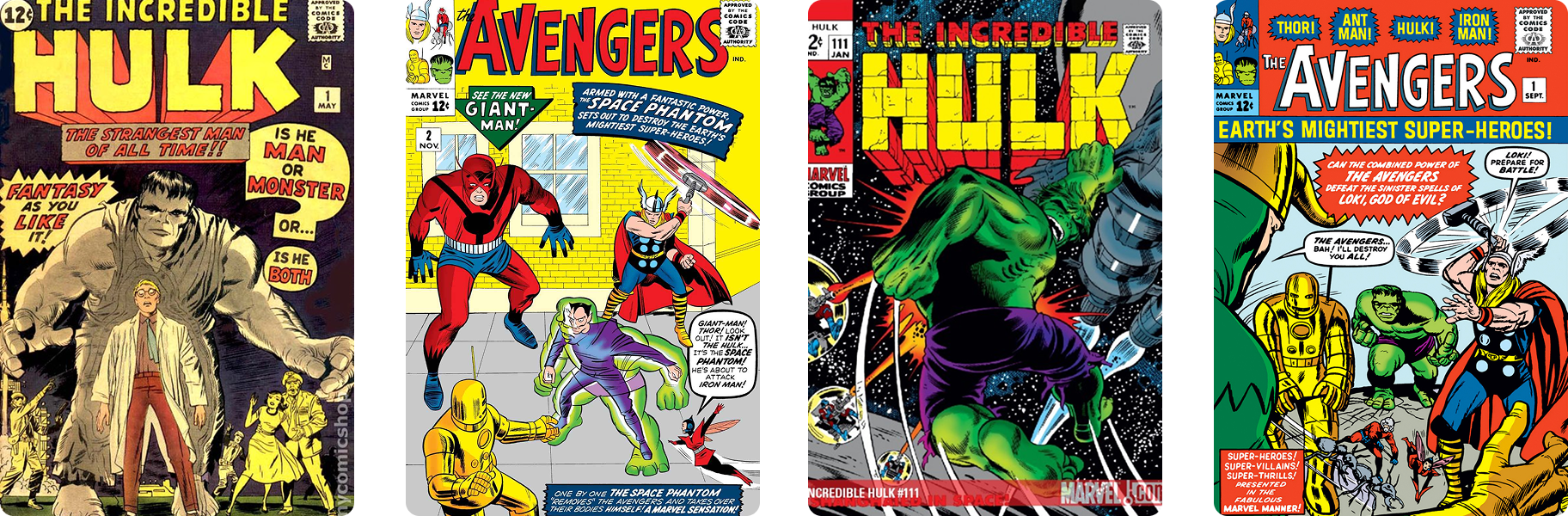
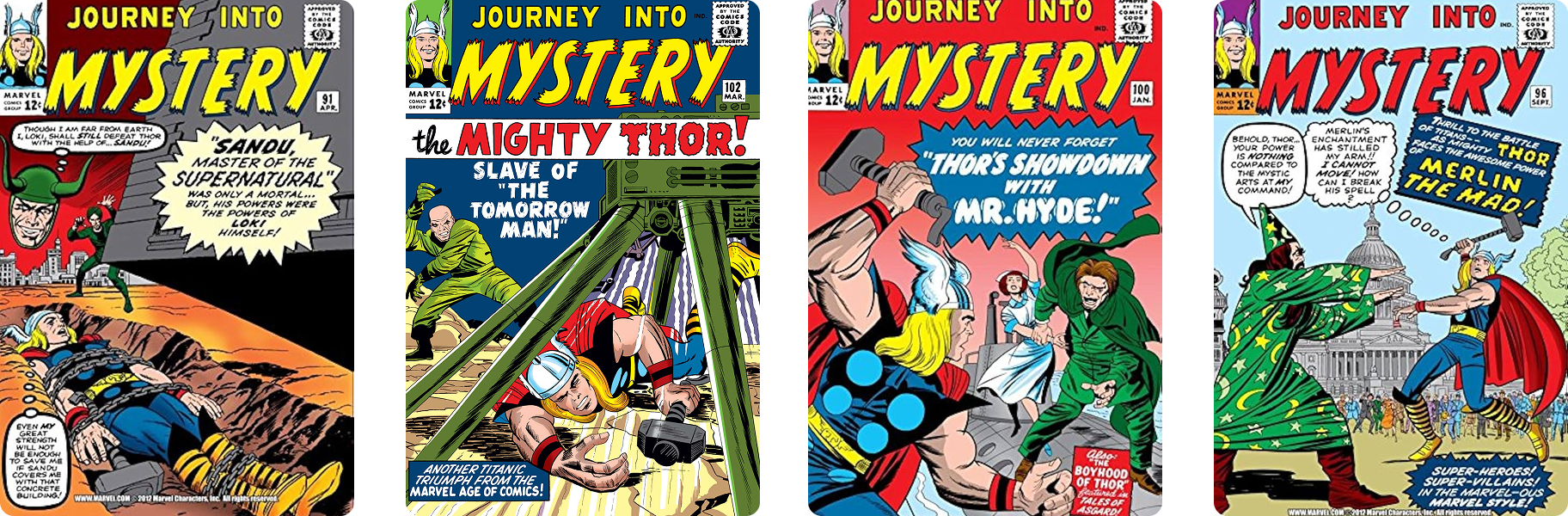
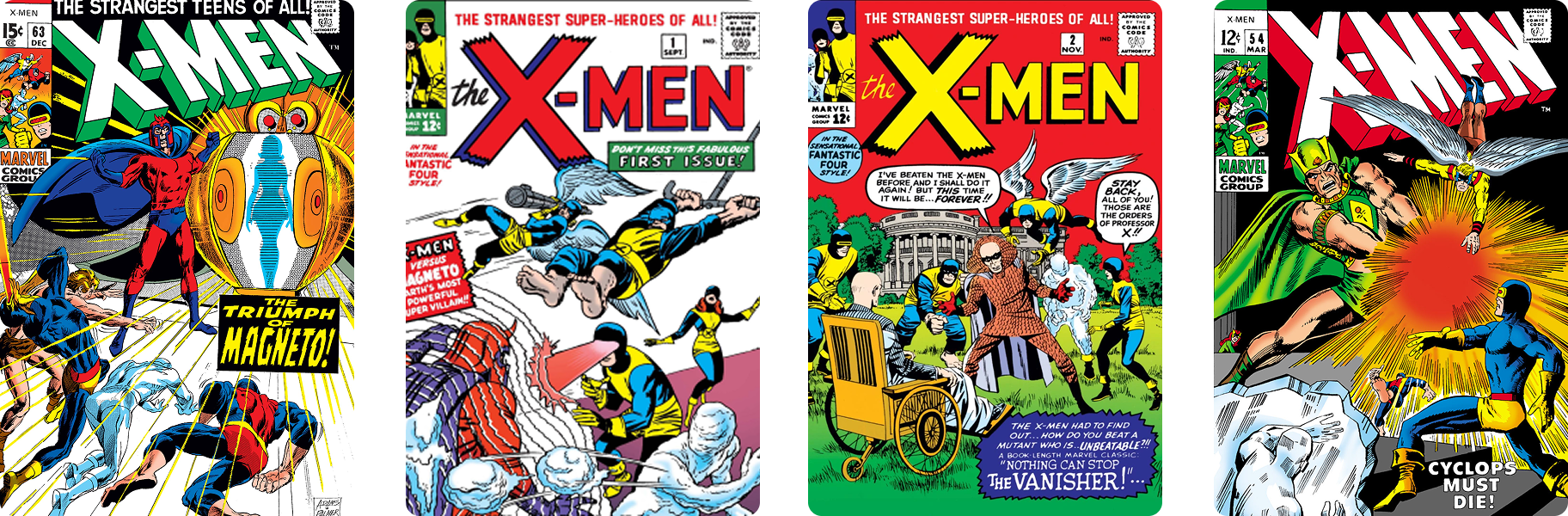
That is what this fortnight’s 1960s data shows so clearly. The leading titles are not fringe performers or temporary risers. They are the core Marvel books that have shaped collector behaviour for decades: Amazing Spider-Man, Fantastic Four, X-Men, Avengers, Journey Into Mystery, Incredible Hulk, and Amazing Fantasy. These are not just famous titles. They are the books that still define what “serious Silver Age collecting” looks like.
There is also something important in the balance of the numbers. The 1960s were not carried by a single title. Spider-Man led volume, but Hulk led sales. Amazing Fantasy remained enormous in dollar terms. Fantastic Four and X-Men held firm behind them. That spread matters. It suggests a healthy decade supported by multiple pillars rather than a single overperforming franchise.
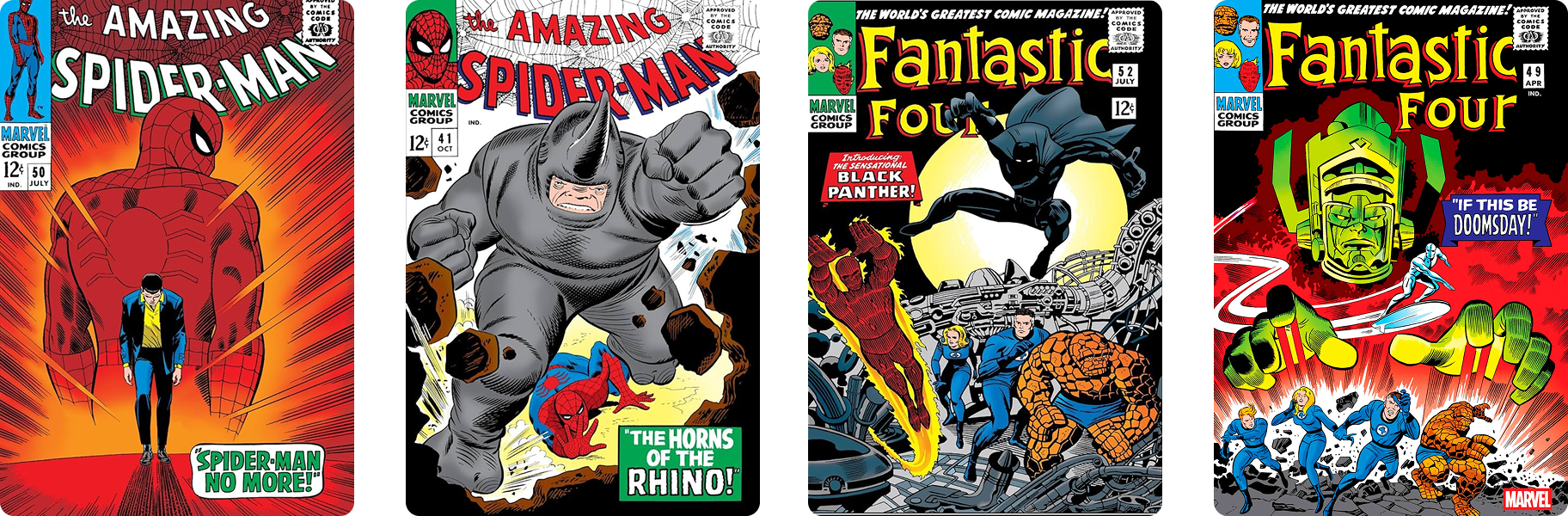
The most traded issue list tells the same story from another angle. Amazing Spider-Man #50, Amazing Spider-Man #41, Fantastic Four #52, Fantastic Four #49, and Silver Surfer #4 are not random books rising out of nowhere. They are canonical issues — major covers, important appearances, and books that collectors immediately understand. When a decade’s activity keeps returning to books like these, it tells you that demand is being driven by long-established collector confidence rather than noise.
Why the 1960s Still Feel So Stable
The Silver Age occupies a uniquely powerful place in the hobby. It is old enough to carry historical prestige, but modern enough to remain visually and culturally legible to today’s collectors. That gives it a strange strength. Golden Age books can sometimes feel distant, inaccessible, or almost museum-like. Bronze and Modern books often feel more reactive, leaning harder on first appearances, media heat, or short-term speculation. The 1960s sit right in the middle.
That middle ground is where Marvel’s core titles thrive.
These books carry the weight of first appearances, iconic runs, and origin-era mythology, but they also remain highly recognisable to collectors who entered the hobby through later decades. Spider-Man, Hulk, the Fantastic Four, the X-Men, Thor, and the Silver Surfer are not obscure legacy names. They are enduring franchise pillars. That gives the 1960s a kind of built-in resilience. Even when collector tastes shift, the foundational books tend to remain relevant.
This fortnight’s numbers reinforce that point beautifully. Amazing Spider-Man (1963) led the decade in raw activity. The Incredible Hulk led in dollars. Amazing Fantasy still commanded over half a million dollars in sales. That spread shows not only demand, but depth. The Silver Age Marvel market is not a one-lane road. It is several overlapping lanes moving together.
The Shape of Demand in the 1960s
🕷️ Spider-Man: liquidity at scale
Spider-Man remains the decade’s most consistent traffic driver. In this dataset, Amazing Spider-Man (1963) ranked first by volume and second by sales, with $651,070 generated in the 1960s bracket alone. Books like #50 and #41, appearing on the most-traded issues list, show why: Spider-Man has both prestige and flexibility. Collectors can enter through iconic covers, villain keys, or deeper run collecting without the market feeling narrow.
That makes Spider-Man uniquely important. He is not just a headline hero. He is one of the decade’s most liquid collecting ecosystems.
💥 Hulk: fewer books, heavier dollars
If Spider-Man represents flow, Hulk represents force. Incredible Hulk (1962–1999) topped the 1960s by sales at $809,034, outperforming Spider-Man in dollar terms despite not leading in volume. That suggests a market concentrated around higher-value books — exactly the kind of pattern you expect from a title with deep importance at the character and issue level.
Hulk is a perfect example of why the Silver Age remains so strong. Some titles in the decade move through high-frequency trading. Others move through fewer but more powerful transactions. Together, they create a diversified market profile.
🌌 Fantastic Four and Silver Surfer: cosmic prestige still matters
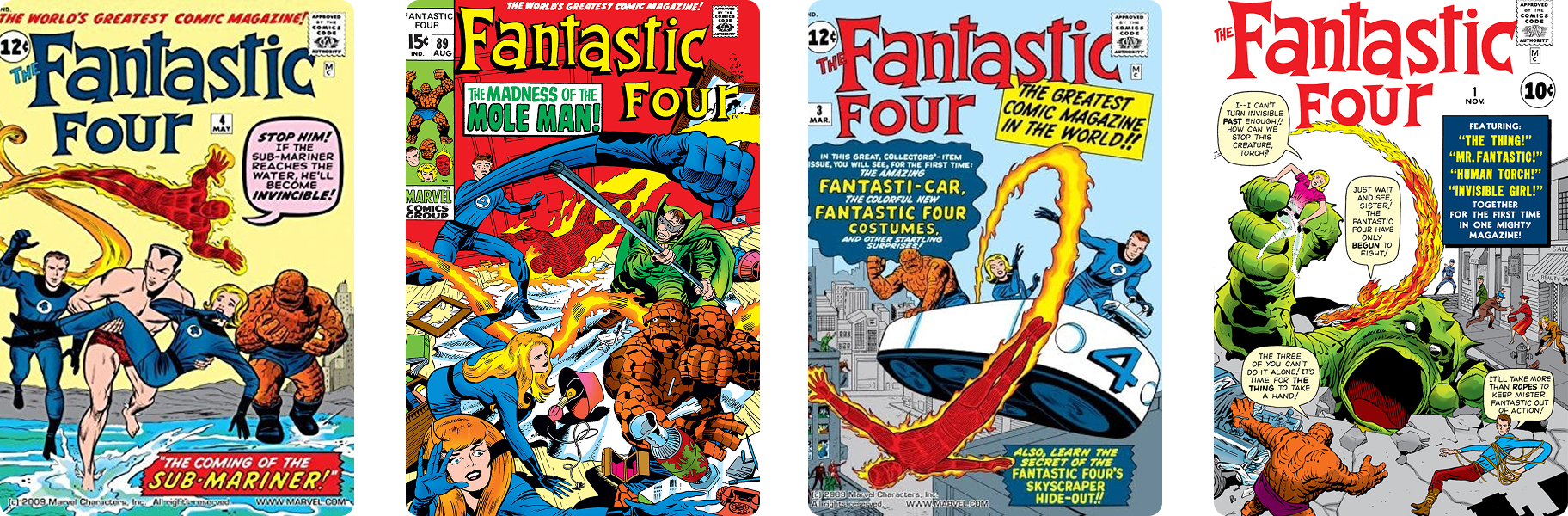
The appearance of Fantastic Four #52 and Fantastic Four #49 among the most traded issues says a lot about where collector confidence still lives. Fantastic Four continues to function as Marvel’s foundational universe-builder, while those specific issues reinforce the staying power of first appearances, cosmic storytelling, and classic Kirby-era mythology.
Silver Surfer #4 landing on the list adds another layer. This is not just superhero demand in the broadest sense. It is a demand for books with visual authority, narrative mythology, and a long-established place in collector memory.
❌ X-Men: consistency without flash
X-Men (1963–1981) posted $272,315 in sales, enough to sit comfortably in the top five by dollar volume. That is part of the broader Silver Age pattern: even when X-Men does not dominate the conversation, it remains one of the decade’s essential pillars. In many ways, that quiet consistency is the point. The 1960s do not need every title to explode. They need core books to keep performing steadily — and they do.
A Decade Built on Recognition
One of the most powerful aspects of the 1960s leaderboard is its readability. Nearly every title and issue on it carries immediate recognition. That matters in graded comics because recognition helps generate confidence. Confidence encourages bidding. Bidding supports liquidity.
A collector does not need much explanation to understand the importance of Amazing Fantasy, Fantastic Four #52, or Amazing Spider-Man #50. These books arrive with built-in meaning. That gives them staying power, especially during periods when other parts of the market may feel noisier or less certain.
This is one reason the 1960s keep anchoring market analysis. They are not merely nostalgic books. They are consensus books. Even when collectors disagree on where the hottest moderns are headed, or whether a newer title has real legs, there is much less debate around the importance of Marvel’s Silver Age core.
Why This Matters in a Two-Speed Market
This fortnight’s broader market had extremes built into it. The overall median sat at $100, while the top sale — Detective Comics #27 CGC 7.0 — reached $2.318M. That kind of spread creates a market that feels pulled between accessibility and spectacle.
The 1960s helped stabilise that tension.
Silver Age Marvel offers books that are historically important without always being priced at impossible levels. It gives collectors a place to move upward without leaping all the way into the rarest Golden Age territory. It also gives the hobby a set of benchmark books that help define value, confidence, and prestige across the middle and upper-middle layers of the market.
That is why these books matter so much. They are not only desirable. They are functional. They help hold the collecting ladder together.
Final Panel
The latest fortnight did not reveal anything flashy about the 1960s — and that is exactly the point. Marvel’s Silver Age core keeps anchoring the market because it does not need to shock anyone. It just keeps performing. Spider-Man brings liquidity. Hulk brings dollar weight. Fantastic Four, X-Men, and Amazing Fantasy bring prestige, recognition, and historical force. Together, they form one of the hobby’s most dependable structures.