The Title That Never Stops Trading: Spider-Man in the CGC Market
In the latest fortnight of CGC comic sales, from February 24 to March 9, 2026, one title once again sat at the centre of the market’s motion: Amazing Spider-Man (1963). According to GPAnalysis, it was the most traded title overall, moving 1,398 books and generating $1.0M in sales. That alone would make it the headline act in most reporting windows. But the real story goes deeper. Spider-Man did not just top the chart once — he appeared again and again across the decade breakdowns, surfacing in the 1960s, 1970s, 1980s, 1990s, 2000s, and 2010s. In a market full of spikes, trophy books, and short-term heat, Spider-Man continues to behave like something rarer: a permanent piece of infrastructure.
Source: GPAnalysis.com, sales recorded from Feb 24–Mar 9, 2026.
Market Observations
There are books that dominate a fortnight because of one extraordinary sale. There are books that trend because of a movie rumour, a hot creator, or a temporary burst of grading activity. Then there is Spider-Man. What this dataset shows is not a one-off result but a pattern of repeatable, durable demand that spans eras and price points.
That is what makes Spider-Man different. He is not confined to a single collector lane. He is a blue-chip Silver Age Marvel. He is Bronze Age key-issue hunting. He is black-suit nostalgia, Venom speculation, Carnage heat, anniversary issue familiarity, and a long tail of highly recognisable covers and milestones. He is one of the few characters in the hobby whose market feels active at the entry, mid-tier, and upper tiers simultaneously.
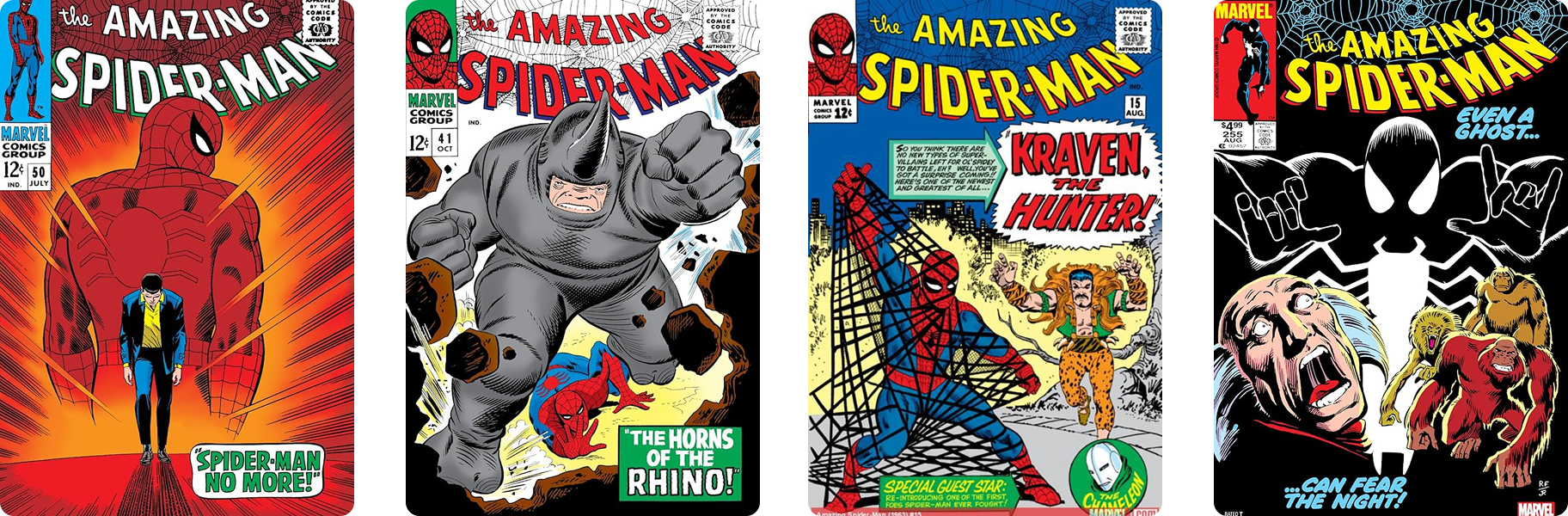
The latest data reinforces that point beautifully. In the 1960s, Amazing Spider-Man (1963) ranked first by volume and second by sales, while issues like #50 and #41 were among the most traded books of the era. In the 1970s, Spider-Man again led volume, with key issues like #129 and #194 among the most traded. In the 1980s, he remained at the centre of the decade with #300 and #252, helping define collector behaviour. In the 1990s, Spider-Man still appeared in both the core title and spin-offs, with Spider-Man #1 and Amazing Spider-Man #361 remaining highly active. Even in the 2000s and 2010s, Spider-Man material continued to register through issue-specific activity and later-volume series.
This is why Spider-Man matters so much in market reporting. He is not simply a top-selling character. He is a title family that keeps the market moving. When collectors buy Spider-Man, they are not all buying for the same reason. One buyer may be chasing a Silver Age classic. Another may be entering through a familiar Venom-era key. Another may be buying a black-suit issue, a Miles-related adjacency, or a later anniversary book with strong label appeal. It is this stack of motivations — all running at once — that gives Spider-Man such unusual market depth.
Spider-Man Across the Decades
🕸️ The 1960s: the blue-chip foundation
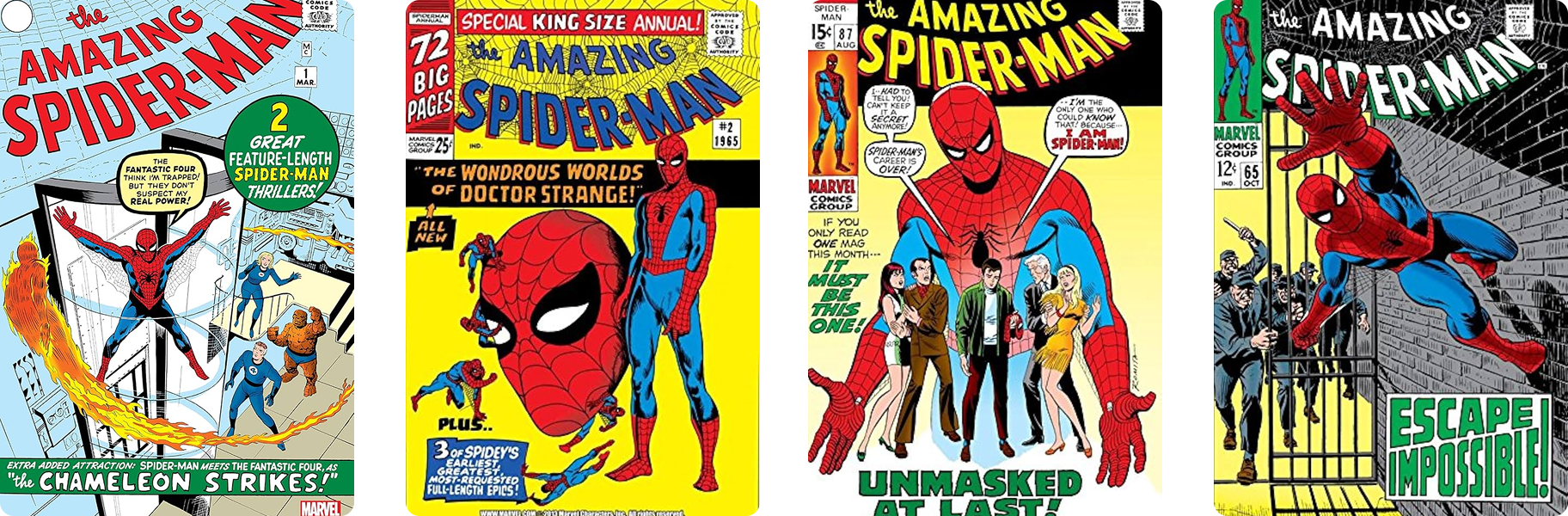
If the Spider-Man market has a beating heart, it begins here. The Silver Age run remains one of the hobby’s most dependable collecting lanes, pairing cultural significance with dense issue-by-issue demand. In this fortnight’s data, Amazing Spider-Man (1963) led the 1960s by volume and posted $651,070 in sales, while Amazing Fantasy added another $500,573, reinforcing how deeply Spider-Man’s origin-era material still resonates.
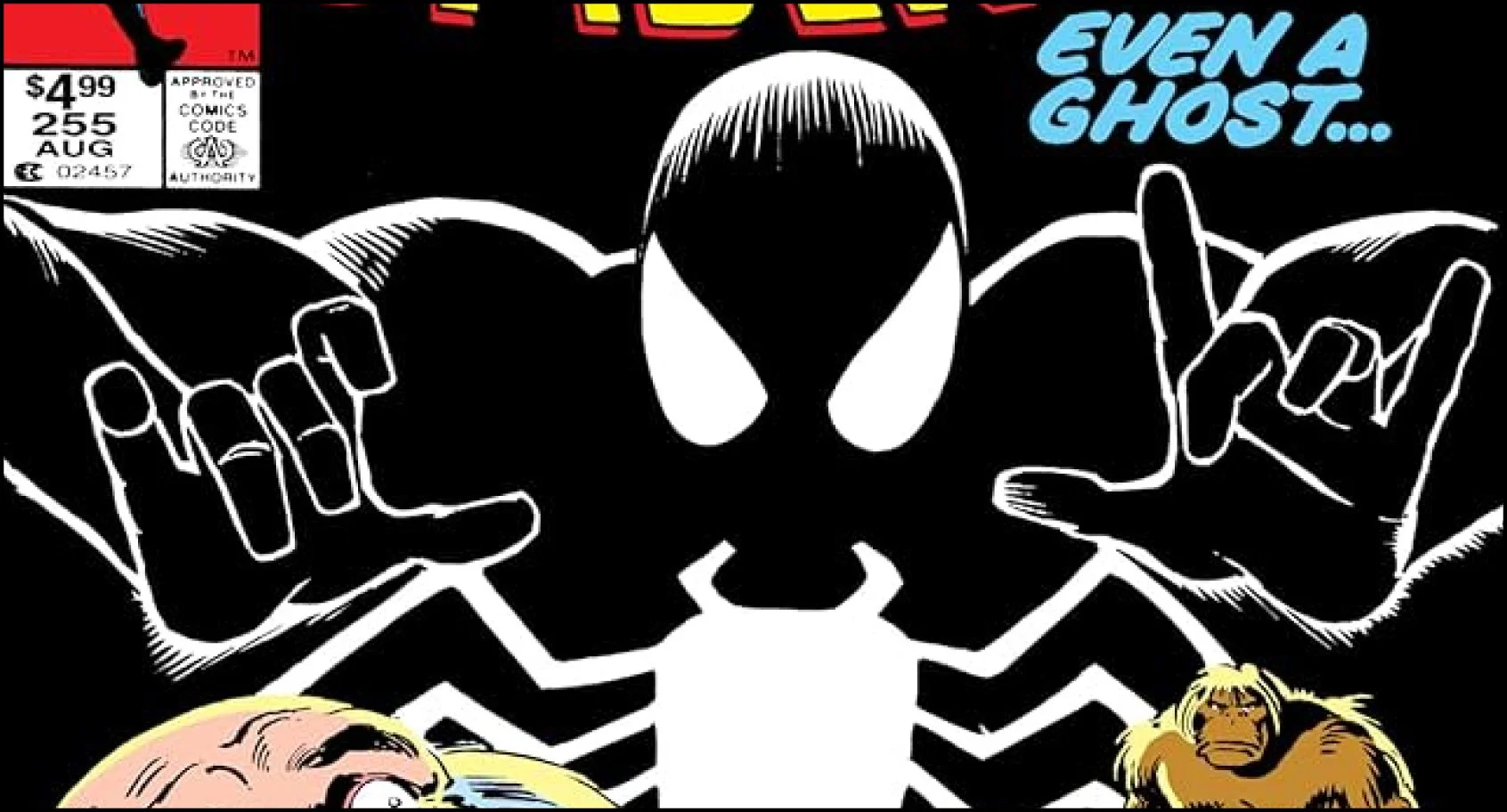
The most traded issues tell their own story. Amazing Spider-Man #50 is a classic cover book and one of the most visually iconic issues in the run. Amazing Spider-Man #41 remains a familiar and approachable Silver Age villain key. These are not only expensive trophy books — they are books collectors recognise instantly, which helps keep them liquid.
🕷️ The 1970s: first appearances and character ignition
By the Bronze Age, Spider-Man shifts from a foundational hero title to a key-issue machine. This fortnight, Amazing Spider-Man (1963) once again led the decade by volume, while #129 and #194 landed among the most traded issues. That is the real Bronze Age Spider-Man formula in miniature: strong character-first demand supported by issues collectors can explain in a sentence.
This is where Spider-Man becomes especially important to the broader hobby. Bronze Age keys are often more reachable than Silver Age centrepieces, but still carry the same familiar branding and long-term desirability. That makes Spider-Man one of the best bridges between high-end and mid-market collecting.
🖤 The 1980s: event books and suit-change memory
If the Silver Age is about origin strength and the Bronze Age is about key appearances, the 1980s Spider-Man market runs on moments. This fortnight’s most traded issues included Amazing Spider-Man #300 and Amazing Spider-Man #252, two books that have become almost inseparable from 1980s collector identity.
These are exactly the kinds of books that thrive in CGC culture. They are recognisable, easy to explain, and linked to major character or costume shifts. They are the kind of books that newer collectors quickly understand, and veteran collectors never stop revisiting. That is a huge advantage in a market built on repeat trading.
🔥 The 1990s and beyond: familiarity keeps the market loose
By the 1990s, Spider-Man had become almost like a universal collector's language. Spider-Man #1 (1990) remained one of the most traded issues of the decade, while Amazing Spider-Man #361 continues to operate as one of the era’s most persistent demand anchors. These books are not scarce in the same way earlier Spider-Man issues are, but scarcity is not the only driver of liquidity. Familiarity matters. Character recognition matters. The story collectors tell themselves about a book matters.
That same logic helps Spider-Man remain present into the 2000s and 2010s. Even when he is not dominating dollar totals, he keeps showing up in issue lists, decade charts, and collector activity. The signal is clear: Spider-Man is not just a classic property. He is one of the hobby’s default settings.
Why Spider-Man Keeps Winning
The simplest explanation is that Spider-Man has range.
He has the historical weight of Silver Age Marvel without being too remote for newer collectors. He has Bronze Age first appearances that remain culturally alive. He has 1980s and 1990s books tied to some of the hobby’s most recognisable visual moments. And unlike many characters, he is supported by a publishing history wide enough to create multiple entry points without diluting the brand.
That matters because most comic markets narrow over time. A title may become overly dependent on one key. A decade may be reduced to a few speculative books. A hot modern may cool once the launch buzz fades. Spider-Man avoids that trap because his market is layered. There is always another rung beneath or above the one a collector is currently on.
In other words, Spider-Man does not just have demand. He has market architecture.

Final Panel
The latest fortnight proves something collectors have known for years, but data keeps confirming: Spider-Man is still the engine room of the CGC market. He is the most traded title overall, a million-dollar seller in his own right, and a constant presence across decades of collector activity. While bigger single sales may take the spotlight, Spider-Man does something even more important — he keeps the whole machine moving.