Female Comic Book Superheroes: Key Issues, Movie Impact, and Record Comic Sales
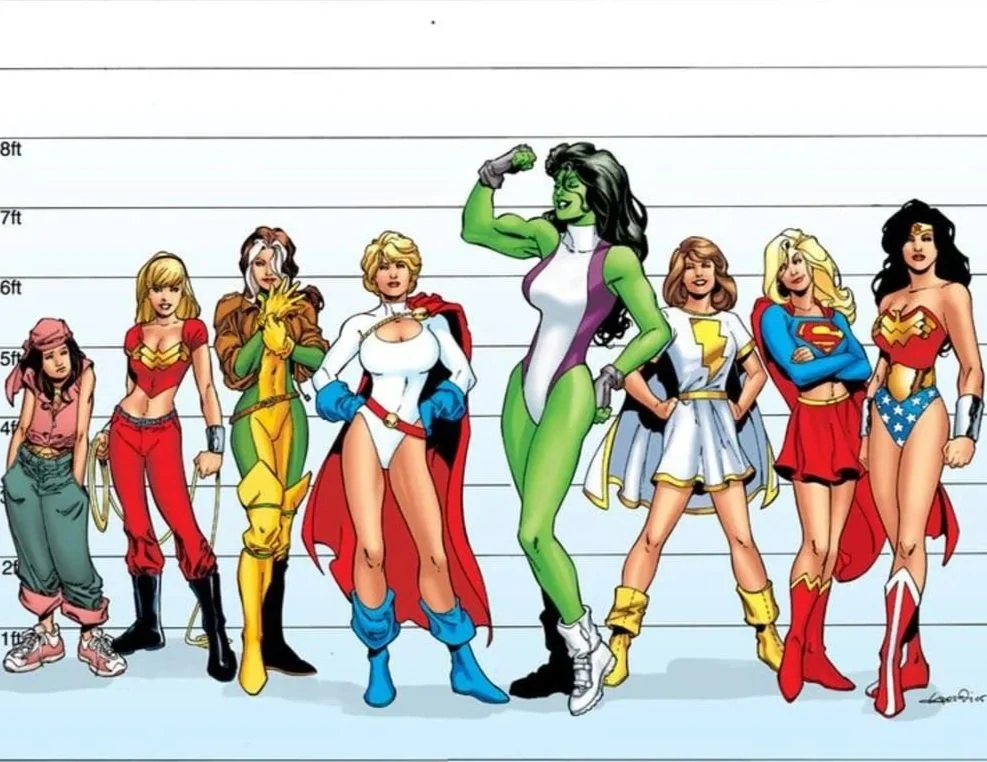
Female comic book superheroes are not a niche within the hobby. That idea is long gone. They are central to comic history, central to superhero movies, and increasingly central to how collectors think about key issues, first appearances, and long-term demand.
That should not be surprising. Wonder Woman is one of the foundational superheroes in the entire medium. Storm became one of the defining faces of the X-Men. Jean Grey evolved from team member to mythic force. Carol Danvers climbed from supporting character to one of Marvel’s biggest names. Black Widow, She-Hulk, Batgirl, Supergirl, Ms. Marvel, and others have all done something important: they moved from being “important female characters” to being important characters, period.
Collectors tend to notice when that happens. Or, to be more honest, they notice when everyone else notices. A character can be admired for decades in comics, but when a movie, streaming series, or broader pop-culture moment pushes that character into a larger spotlight, the comic market usually responds. Sometimes that response is justified. Sometimes it is overheated. Usually it is a little of both.
Why female superheroes matter to collectors
The backbone of comic book collecting is still the same as it has always been: iconic characters, early appearances, scarcity, condition, and demand. Female superhero books fit neatly into that framework, but they also reveal something useful about the hobby. A book does not become desirable just because it is old or scarce. It becomes desirable when enough collectors care.
That sounds obvious, but it is worth repeating because collectors often talk about rarity as if rarity alone does the heavy lifting. It does not. A comic can be genuinely scarce and still sit quietly if demand is thin. On the other hand, a comic can have a meaningful surviving supply and still command strong prices because the character is beloved, the cover is memorable, or the book has become a cultural marker.
That is one reason first appearances remain so powerful. They are easy to understand, easy to market, and easy for collectors to rally around. But first appearance does not have to mean only one book matters. Once the true grail gets expensive enough, collectors often move sideways. They look for the second appearance, the first solo title, the classic cover, the important storyline, or simply the most satisfying comic they can afford. That is not settling. In many cases, it is smart collecting.
Wonder Woman: the obvious starting point
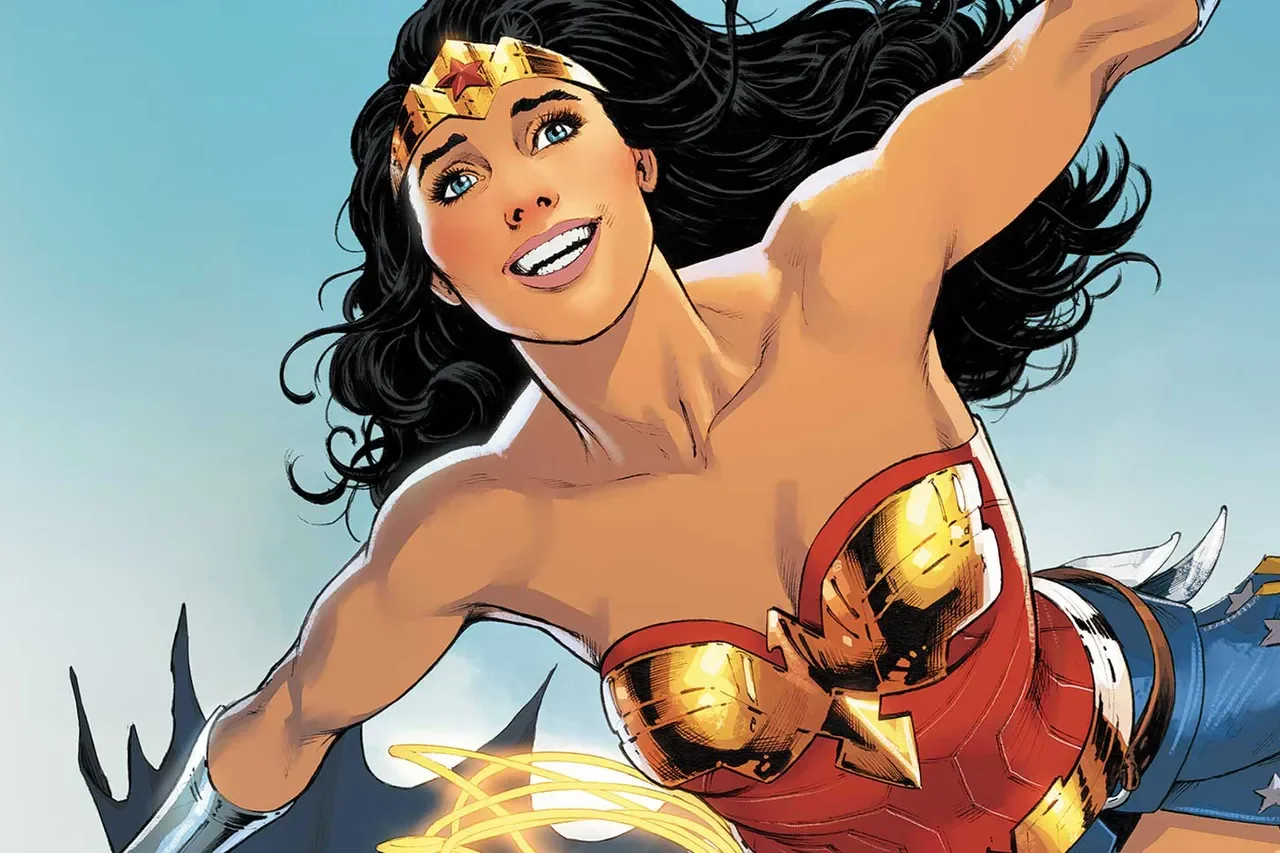
If you are writing about female superheroes and collectibility, Wonder Woman is where you begin. There is no cleaner example of a female superhero who is both historically indispensable and perennially collectible.
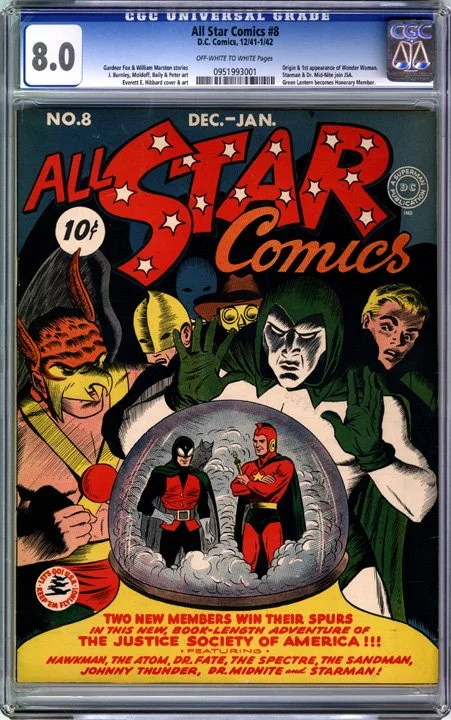
All Star Comics #8 is the headline book because it contains Wonder Woman’s first appearance, and the market has treated it accordingly. A CGC 9.4 copy sold for $1.62 million in June 2022. That is not just a strong result for a female-superhero key. That is upper-tier comic-book history money.
And if that sounds out of reach, that is because it is for almost everyone.
This is where collecting becomes more interesting. The elite copy of the elite book gets the headlines, but most collectors do not live in that market. They live in the world of alternatives, and Wonder Woman has plenty of them. Wonder Woman #1 has obvious appeal because first solo books carry their own prestige. Beyond that, collectors can pursue strong Golden Age covers, sharp-looking mid-grade copies, or later books that still feel substantial without requiring mortgage-level money.
That is often the better lesson anyway. A grail teaches you what the market values. A more affordable adjacent book lets you participate without making a reckless decision.
Storm: one of the hobby’s most important female heroes
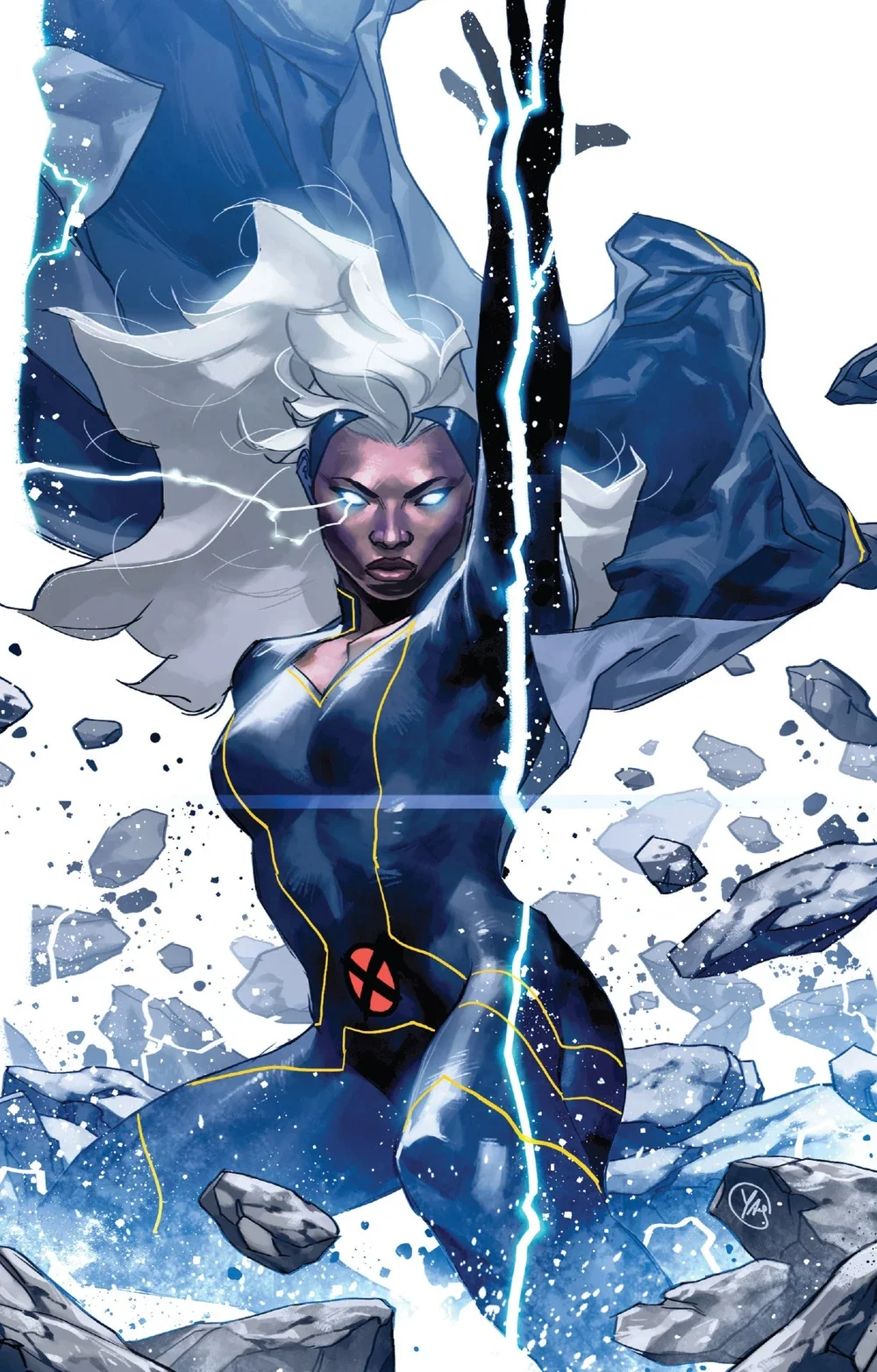
Storm may not have the same Golden Age mystique as Wonder Woman, but she has something else: deep generational appeal. She is one of the most important X-Men, one of Marvel’s most recognizable female heroes, and one of those characters who seems to matter more the longer comic history unfolds.
Her big book is Giant-Size X-Men #1, which introduced Storm, Nightcrawler, Colossus, and Thunderbird while relaunching the X-Men for a new era. It is not only a Storm key. It is one of the great Bronze Age keys, full stop. Heritage’s archived results show CGC 9.8 copies selling above $20,000 in 2025, with a CGC 9.8 copy bringing $25,200 in September 2025.
That matters because Storm benefits from layered demand. X-Men collectors want the book. Bronze Age collectors want the book. First-appearance collectors want the book. Storm collectors want the book. When one comic satisfies several collector tribes at once, prices tend to stay resilient.
Storm is also a good reminder that a female superhero does not need a solo movie to matter in the market. She has remained collectible because the character is enduring, visually distinct, and embedded in one of the most important franchises in comics.
She-Hulk and Black Widow: not every key follows the same path
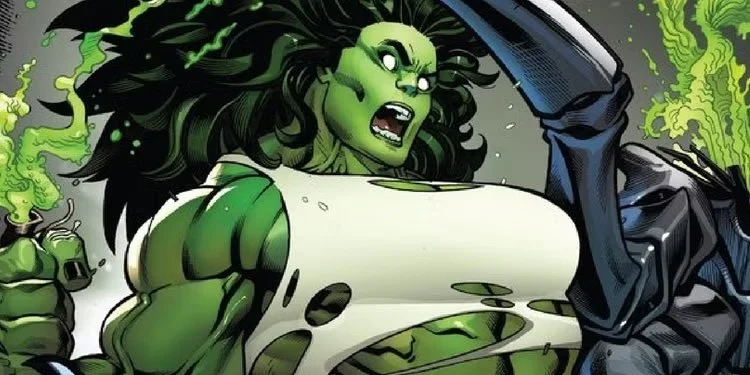
She-Hulk and Black Widow show that female-superhero collectibility does not move in one straight line.
She-Hulk has always had a recognizable brand, but her market profile has shifted depending on media attention, nostalgia cycles, and how much affection collectors have for Hulk-adjacent books. A character can be famous and still have a market that ebbs and flows. That is normal. It does not mean the books are bad. It means the hobby is constantly repricing how much importance it assigns to a character at a particular moment.
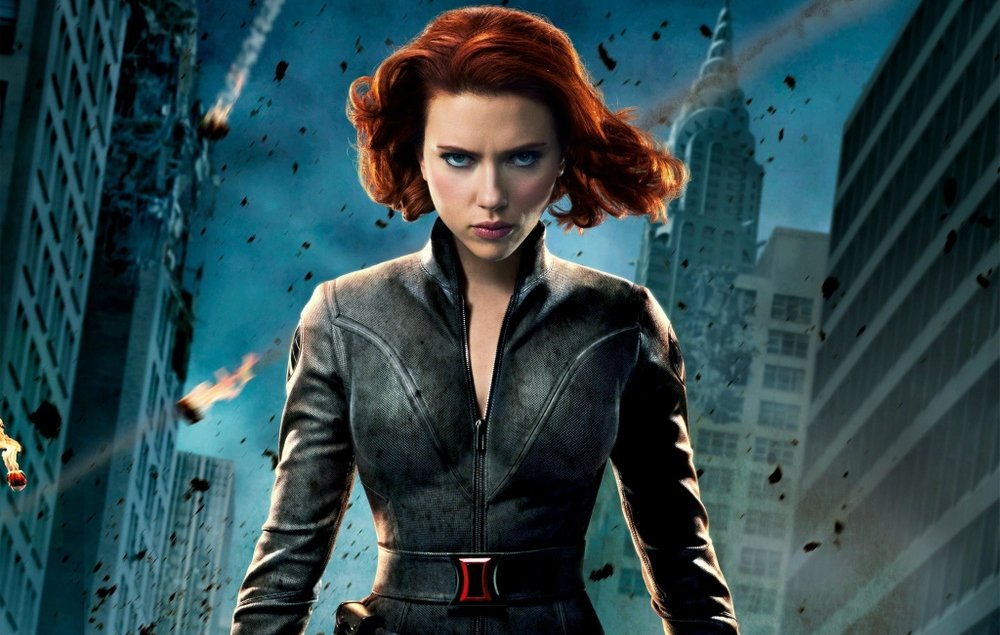
Black Widow works a little differently. She has been famous for years, but fame alone does not guarantee that every key issue becomes a rocket ship. Her 2021 solo film earned about $379.75 million worldwide, which was respectable but far below the billion-dollar performance of Captain Marvel. The comic market noticed the film, of course, but notice is not the same thing as sustained collector obsession.
This is a useful distinction. A movie can create awareness. It cannot force conviction. Conviction comes when collectors decide the character matters enough to keep buying after the news cycle moves on.
Comic movies changed the audience, and the audience changed the market
It is impossible to discuss female superhero collectibility without discussing movies. The films did not invent demand, but they widened it dramatically.
Wonder Woman grossed roughly $823.97 million worldwide. Captain Marvel crossed $1.13 billion. Even when we move beyond solo female-led superhero films, female characters have become essential to the branding and continuity of modern comic-book cinema.
That kind of exposure does two things.
First, it turns comic characters into household names. That is good for the hobby because more people arrive at comics with some emotional connection already in place.
Second, it creates price volatility. The market loves a trailer, a casting announcement, or a breakout performance. It is much less disciplined when separating temporary excitement from durable collector demand.
This is where many buyers get into trouble. They confuse visibility with permanence. A character trending this month is not automatically a character whose key books will be stronger five years from now. Sometimes the market gets that right. Sometimes it absolutely does not.
The record sales worth mentioning
Even though the biggest comic-book sale records are mostly attached to Superman and Batman material rather than female-superhero books, they still matter to this conversation because they shape the whole market.
In April 2024, a CGC 8.5 copy of Action Comics #1 sold for $6 million, setting a new comic-book record at the time. Then, in November 2025, a CGC 9.0 copy of Superman #1 sold for $9.12 million, becoming the most expensive comic book ever sold.
Why mention those sales in an article about female superheroes?
Because record sales at the top end elevate the category below them. They reinforce the idea that comic books are not disposable pop ephemera.
They are major cultural artifacts, and the best examples trade like major collectibles. That rising legitimacy does not magically pull every female-superhero key upward, but it does create a stronger environment for serious comic collecting overall.
And within female-superhero keys, Wonder Woman already has a book playing at a genuinely elite level. Again, All Star Comics #8 at $1.62 million is not a curiosity. It is a statement.
What collectors should actually chase
This is the part where it is easy to become boring and tell everyone to buy the first appearance and only the first appearance. That advice is too simple to be useful.
A better approach is to ask what kind of collector you are.
If you want the obvious historical anchor, then yes, first appearances matter. They usually matter the most.
If you want a mix of significance and affordability, first solo titles and classic covers can be more satisfying.
If you want a character-driven collection rather than a market-driven one, then you may be much happier owning the books that feel most representative of the hero rather than the book that a price guide insists is most important.
This is especially true with female superheroes because many of these characters have long publication histories and multiple entry points. You do not have to buy the most expensive book associated with Wonder Woman or Storm to own something meaningful. In fact, in many cases you should not. A collector who buys a great book they understand will usually sleep better than the collector who buys an expensive book because everyone online told them it was the one to have.
A few female-superhero books collectors inevitably circle back to
Not every collector will pursue the same list, but a few books come up again and again:
All Star Comics #8
The major Wonder Woman key. Historic, expensive, and permanently important.
Wonder Woman #1
First solo title. Not the first appearance, but still one of the hobby’s landmark female-superhero books.
Giant-Size X-Men #1
A cornerstone Bronze Age key and the essential Storm book.
Ms. Marvel / Captain Marvel keys
An area where media adaptation and collector demand have become tightly intertwined, especially after the billion-dollar Captain Marvel box office performance.
She-Hulk and Black Widow keys
A reminder that established characters can still have collecting cycles shaped by adaptation, nostalgia, and changing audience interest.
Female comic book superheroes are not an “emerging category” anymore. They are an established part of comic history, movie culture, and the collector market. The best of these characters have survived for decades because they were never dependent on novelty in the first place. They were strong enough to last.
That is why the comics matter.
The top books can be spectacularly expensive. The record sales can feel absurd. The movie tie-ins can create more noise than clarity. But underneath all of that, the hobby still works the same way it always has. Great characters pull people in. Important books hold attention. And collectors keep trying to find the sweet spot between what matters most and what they can reasonably afford.
Female superheroes have given the hobby plenty of both: books that matter, and books worth chasing.