Have Comic Book Heroes Lost Their Superpower?
Do superheroes still matter? I don’t mean whether people still watch superhero movies, buy comic books, wear Batman T-shirts or argue online about whether Superman could beat Thor. Clearly, superheroes remain everywhere. I mean something a little different: do comic book heroes still affect us the way they once did?
Or, after nearly ninety years of capes, masks, reboots, multiverses, cinematic universes, deaths, resurrections and world-ending events, have superheroes become so common that some of their original power has been watered down?
I suspect the answer is yes to both. Superheroes may be more visible today than at any point in history. At the same time, being everywhere is not necessarily the same thing as meaning more. And that distinction is worth exploring.
When Superman Was Something New
Try to forget everything you know about superheroes for a moment. No Marvel movies. No Batman television shows. No Superman logo on a lunchbox. No superhero video games. No convention halls filled with people dressed like characters. Then imagine seeing Action Comics #1 in 1938.
A man in a colourful costume is lifting a car over his head.
Today, that image is familiar to the point of being ordinary. In 1938, it was anything but ordinary. Superman helped establish an entirely new type of popular hero. He wasn't Sherlock Holmes. He wasn't Tarzan. He wasn't a cowboy, detective or pulp adventurer. He was something different. He was super.
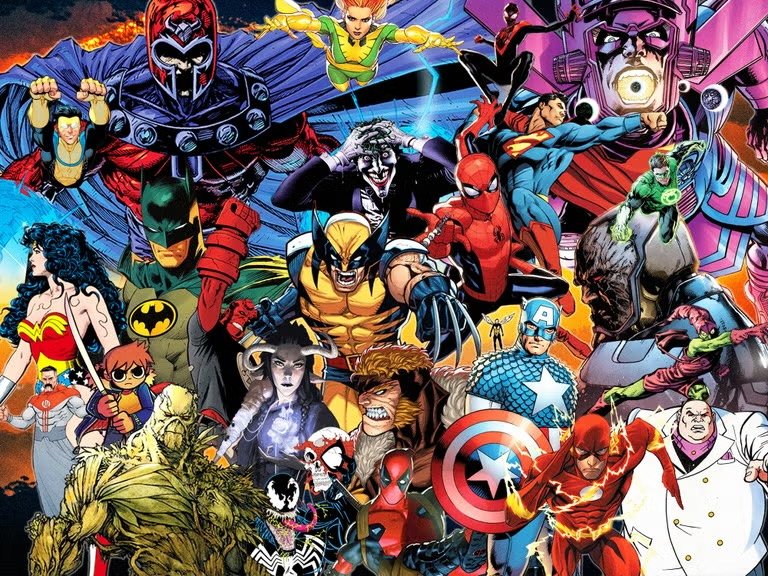
And once that door opened, everyone came running through it. Batman followed. Captain America followed. Wonder Woman followed. Later came Spider-Man, the Fantastic Four, Hulk, Thor, the X-Men and hundreds of others. These characters weren't merely additions to popular culture. They helped change popular culture.
Consider Superman's basic idea: a person possessing almost unlimited power chooses to use it to help people. That sounds simple because we have heard variations of it for nearly ninety years, but simple ideas can be powerful ideas. Batman offered something different. He had no superpowers at all. His weapons were discipline, intelligence, preparation and an apparently unlimited budget for bat-shaped equipment. Captain America represented another ideal: courage, duty and standing up to bullies. Spider-Man introduced millions of young readers to perhaps the most famous piece of superhero philosophy ever created: power creates responsibility.
These weren't just characters punching villains. They were ideas wearing costumes.
Heroes Used to Arrive One at a Time
There is another difference between yesterday and today that I think matters: scarcity.
Collectors understand scarcity. If there are ten copies of something and ten thousand people want one, people pay attention. Cultural scarcity works in a similar way. A child growing up in the 1940s, 1950s or 1960s wasn't being introduced to five new superhero television series, three movies, twelve streaming shows, countless YouTube clips and a hundred new characters every month.
When a major character appeared, that character had room to breathe. Superman could become the superhero. Batman could become the dark vigilante. Spider-Man could become the awkward teenager trying to balance ordinary life with extraordinary responsibility.
Today? Good luck keeping track.
We have alternate universes, alternate timelines, alternate versions of characters, evil versions of heroes, heroic versions of villains, legacy heroes, clone heroes, zombie heroes and characters who have died so many times that death in comics occasionally feels more like an extended holiday. There is nothing inherently wrong with any of this. Some fantastic stories have come from those ideas. But abundance changes perception.
When everything is an event, eventually nothing feels like an event.
Superman Once Stood for Something. Now He Also Sells Toothpaste.
This is probably where some old-school collectors start nodding. Superheroes once felt mythological. Today, they can sometimes feel like intellectual property.
There is a difference.
A mythology asks: What does this character represent? A franchise asks: What can we release next?
Movies. Streaming series. Action figures. Video games. Clothing. Variant covers. Limited editions. Crossovers. Spin-offs. Reboots. Then another movie. Then another reboot. Then another crossover explaining the reboot.
This is the strange problem superheroes have created for themselves. They became so successful that the machinery surrounding them became enormous. The characters are no longer competing merely for readers. They are competing for our attention against almost every other form of entertainment on Earth. As a result, the superhero sometimes becomes less important than the superhero product.
That can dilute the impact. You can only save the universe so many times before somebody in the audience begins checking their phone.
But Were the Old Days Really Better?
This is where nostalgia can play tricks on us. Collectors are particularly susceptible to nostalgia. Put an old spinner rack in front of us and otherwise rational adults can suddenly smell the corner drugstore they visited forty years ago.
So we should be careful.
Not every Golden Age story was profound. Not every Silver Age comic changed someone's life. Some stories were ridiculous. Some dialogue was terrible. Some characters disappeared because readers simply didn't care about them. Earlier comics could also reflect the limitations and prejudices of their eras.
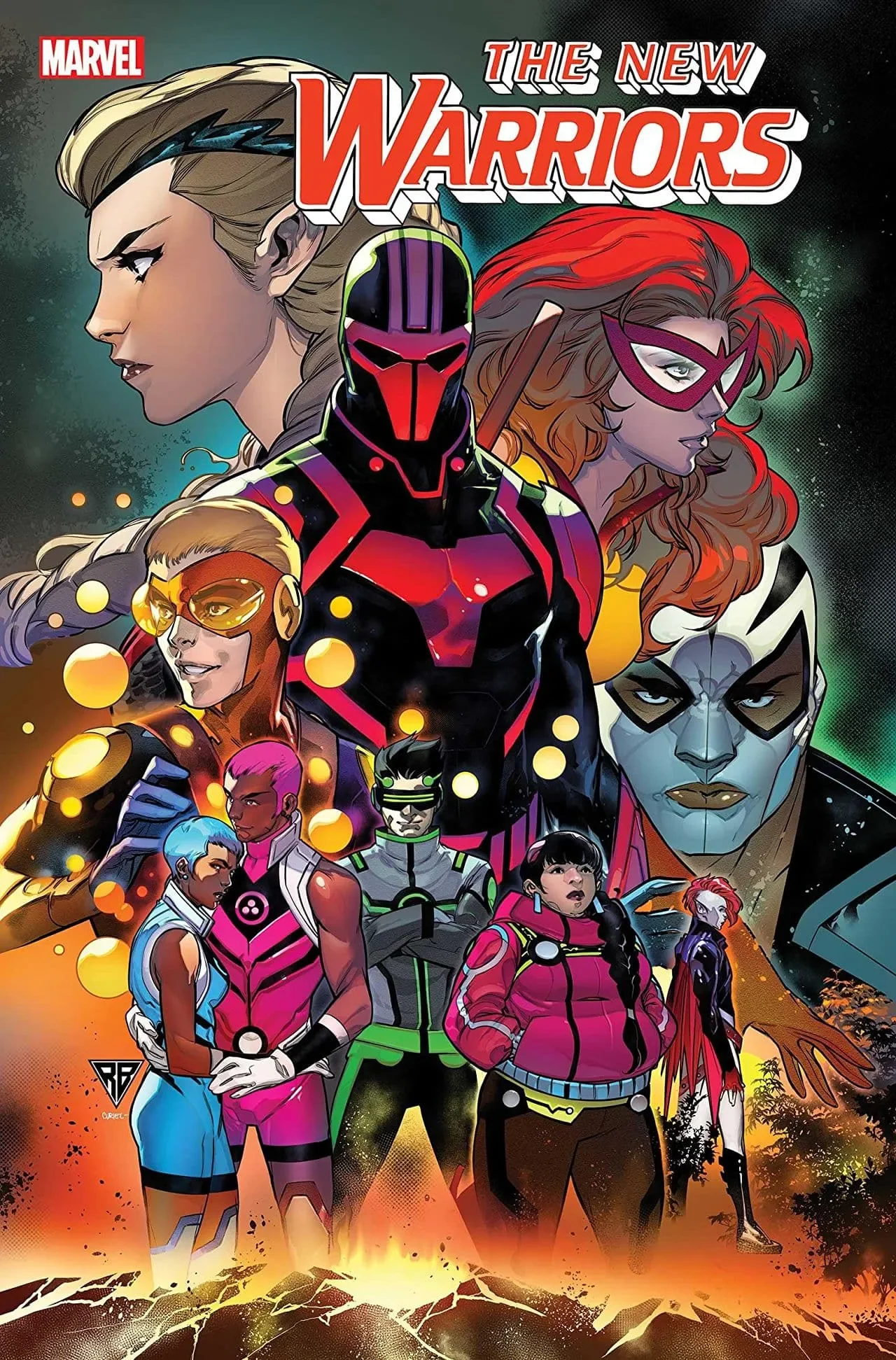
Modern comics, movies and television have expanded the idea of who gets to be a hero. Audiences today can encounter superheroes from different cultures, backgrounds and experiences in a way earlier generations rarely could. That matters. A child seeing somebody who looks or lives like them represented heroically can experience something every bit as meaningful as a child discovering Superman seventy years earlier.
So I don't believe superheroes have simply become worse. Something more complicated has happened.
Their influence has become broader, while perhaps becoming less concentrated.
Spider-Man Is Still Spider-Man
There is a useful test. Walk into a room filled with people ranging from eight years old to eighty and show them the Superman symbol. Most know it. Show them Batman. They know him. Spider-Man? Absolutely.
That is extraordinary cultural staying power.
Most fictional characters do not survive generations. These characters have survived changes in publishing, television, cinema, technology, fashion and social values. People who have never opened a comic book know Peter Parker. They know Bruce Wayne. They know Clark Kent.
In fact, superheroes have escaped comic books almost completely. For millions of people, Batman isn't primarily a comic book character anymore. Neither is Spider-Man. They are modern folklore.
That may actually be the greatest evidence of their impact. Comic books created characters so powerful that the characters eventually became bigger than comic books themselves.
The Problem Is the Next Superman
Here is the question I find more interesting: could a completely new superhero introduced today ever have the cultural impact Superman had?
That is harder to imagine, not because today's creators lack talent, but because they have a different problem: competition.
A new hero isn't competing with a handful of fictional characters. They are competing with Superman, Batman, Spider-Man, the Avengers, Star Wars, anime, video games, social media, streaming television and essentially the entire history of entertainment available instantly from a device in your pocket.
That is brutal competition. Superman didn't have to fight TikTok for your attention.
Perhaps that explains why so many of today's biggest superheroes are still characters created decades ago. The entertainment surrounding them changes. The actors change. The costumes change. The continuity certainly changes. But the characters at the centre remain remarkably familiar.
We keep returning to the same heroes. That tells us something.
What Collectors Already Know
Comic collectors probably understand this better than most. Why does Action Comics #1 matter? Why does Detective Comics #27 matter? Why does Amazing Fantasy #15 matter?
Obviously, rarity and demand matter when discussing value. But something else sits underneath that demand: cultural importance.
Collectors aren't simply chasing old pieces of paper. They are chasing moments. The moment Superman arrived. The moment Batman appeared. The moment Peter Parker was bitten by a radioactive spider.
A first appearance is desirable partly because we know what happened afterwards. Millions of people met those characters. Children grew up with them. Movies were made about them. Costumes were worn. Toys were produced. Arguments were started. Collections were built.
Those little comic books became historical starting points for enormous pieces of popular culture. There are plenty of rare comics nobody particularly wants. There are plenty of first appearances nobody particularly remembers.
Longevity requires something rarity cannot manufacture. People have to care.
Maybe the Hero Hasn't Changed. Maybe We Have.
There is one final possibility. Perhaps superheroes haven't been watered down nearly as much as we think.
Perhaps we have.
Think about discovering Spider-Man at ten years old compared with watching your twentieth superhero movie at forty-five. The character hasn't necessarily lost his magic. You have seen the trick before.
A child meeting Batman for the first time today doesn't carry seventy years of Batman history into the experience. They aren't exhausted by continuity. They aren't comparing actors. They don't care whether the movie respected Detective Comics #457. They just see Batman.
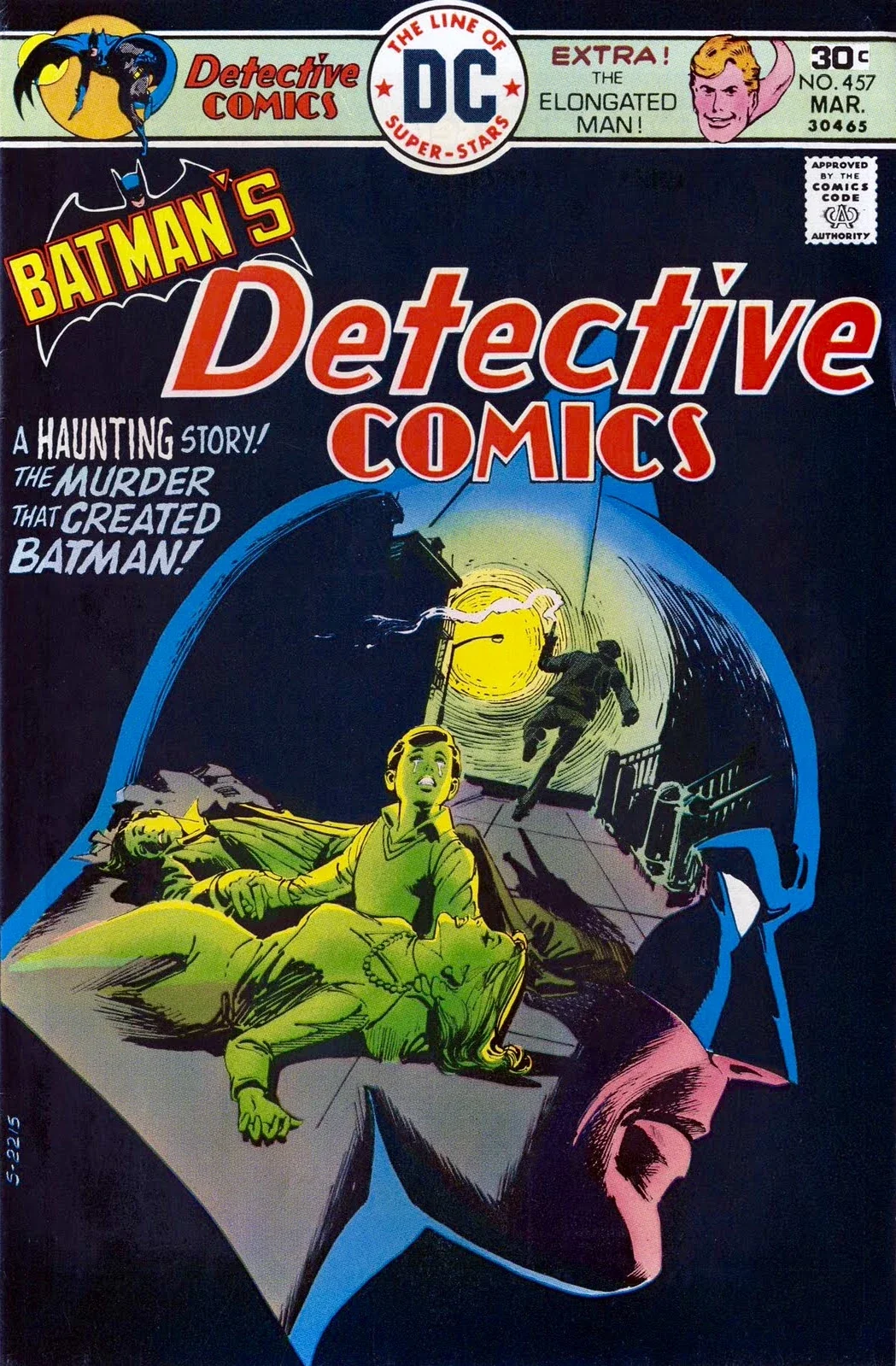
And Batman is pretty cool.
That experience may not be so different from what previous generations felt. The difference is that adults remember the first time superheroes impressed us, and first times are difficult to reproduce.
So, Have Superheroes Lost Their Impact?
Some of it. I think it would be difficult to argue otherwise.
There are simply too many superheroes, too many stories and too many attempts to convince us that the next adventure is the most important adventure ever told. Overexposure has a price. The fantastic can become familiar. The extraordinary can become ordinary. And a superhero who once represented an idea can become another piece of content waiting in a streaming queue.
But superheroes haven't stopped influencing us. Far from it.
Their influence has become so deeply embedded in culture that we sometimes fail to notice it. Words like superhero, Kryptonite and Spider-Sense require almost no explanation. The Superman emblem can be recognised without Superman standing beside it. Batman can be reduced to a black silhouette with two pointed ears. Spider-Man can be recognised from two white eyes surrounded by red webbing.
That isn't cultural weakness. That is cultural domination.
Perhaps superheroes today don't hit us with the same force because the explosion happened long ago. We are living in the aftermath. Superman, Batman, Wonder Woman, Captain America, Spider-Man and the heroes who followed didn't simply enter popular culture. They helped build the version of popular culture we now live inside.
So maybe the question isn't whether superheroes still have the power they once had. Maybe the real question is whether they became so successful that we stopped noticing the power altogether.
After all, when you have spent your entire life looking up at people flying through the sky, eventually you stop asking how remarkable it is that they can fly.