Invincible Is Bigger Than Its Keys
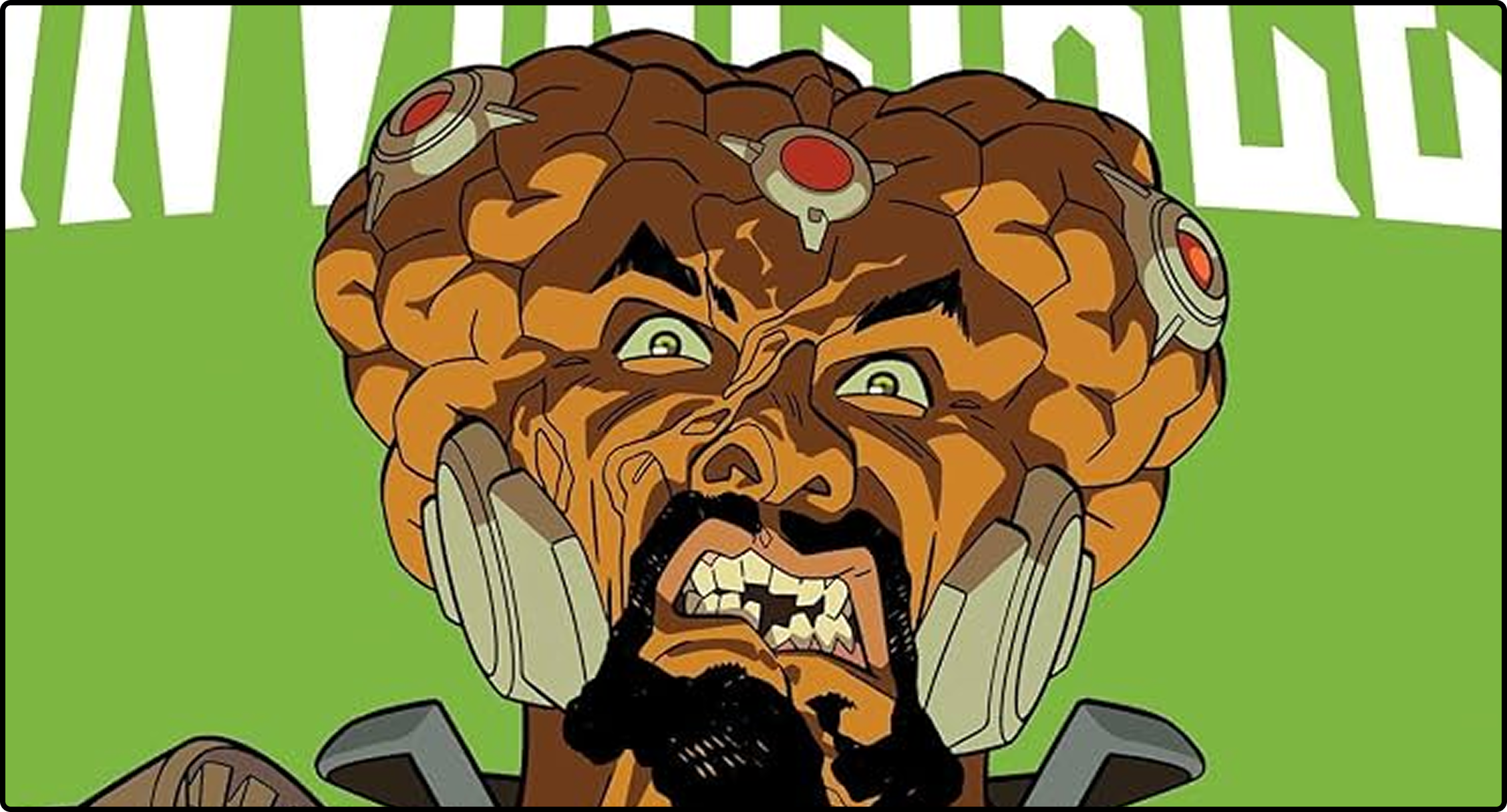
Most comic markets are easy to understand from the outside. A major key heats up. Collectors chase it. Sales concentrate around that issue, and before long the title itself starts appearing higher in the rankings. Invincible appears to be doing something different.
In the September 8–21 Top of the Stack data, Invincible was the most-traded title of the 2000s and also the decade’s highest-selling title, generating $62,088. It accounted for 55.1% of the combined sales of the decade’s Top Five titles. Moving into the 2010s, Invincible remained the most-traded title, finishing second in sales at $23,167.
On the surface, that looks like a familiar story: a popular modern series with strong collector demand. Then you look at the individual issues. Not one Invincible comic appears among the five most-traded issues of the 2000s. Not one appears among the five most-traded issues of the 2010s either. That is where the story becomes much more interesting.
Invincible Across Two Decades
Invincible was the most-traded title in both the 2000s and 2010s. Its position in the sales rankings shows how that demand carried across two very different collecting periods.
#1 in volume — twice
Invincible led title trading across both the 2000s and 2010s
2000s
Top Five titles by sales
2010s
Top Five titles by sales
Invincible · 2000s
$62,088
Invincible led both volume and sales in the 2000s, generating $62,088 — more than three times the sales of second-place Amazing Spider-Man.
The title is winning without one issue doing the work
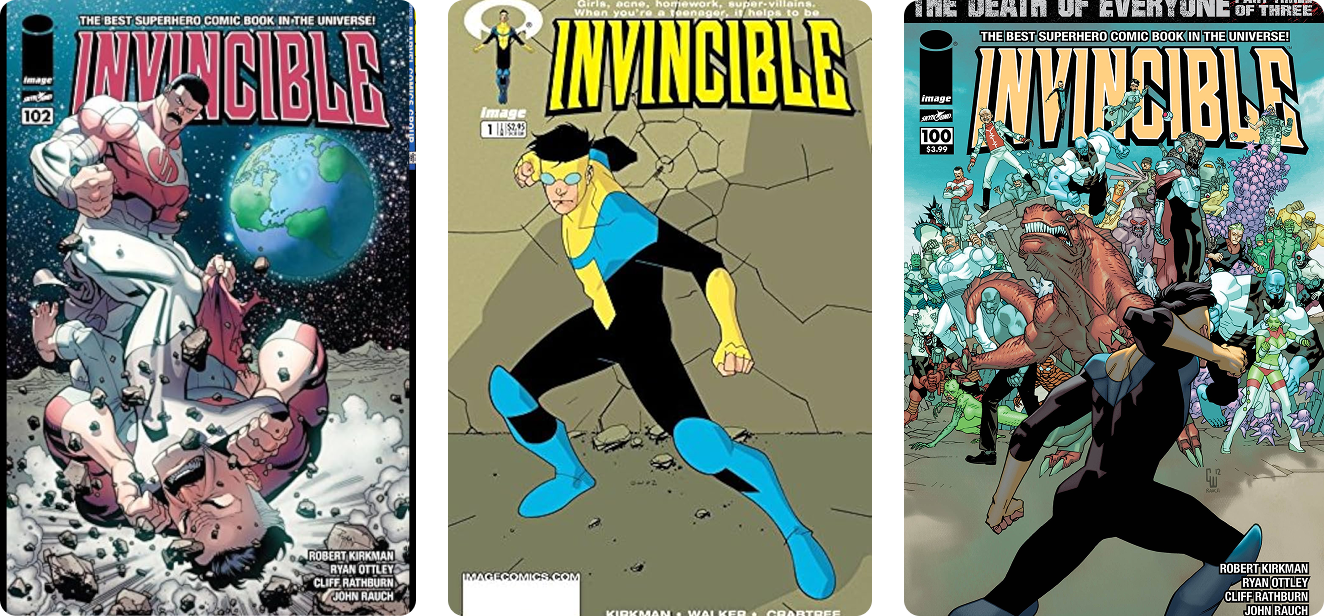
The most-traded individual books from the 2000s were Amazing Spider-Man #36, Amazing Spider-Man #601, Amazing Spider-Man #606, Captain America #6 and Batman #608. Invincible was nowhere on that list. Yet as a title, it still finished ahead of everything else in both volume and sales. The same pattern continues in the 2010s.
Ultimate Fallout #4 led the individual-issue rankings, followed by Amazing Spider-Man #800, Something is Killing the Children #1, Venom #3, and Amazing Spider-Man #4. Again, no Invincible. And yet Invincible was the most-traded title of the decade.
Usually, when a title dominates a market, we expect its biggest key to sit near the top of the individual issue rankings. In this dataset, that relationship simply isn't there. That suggests the demand may be spread across the series rather than concentrated into one obvious book.
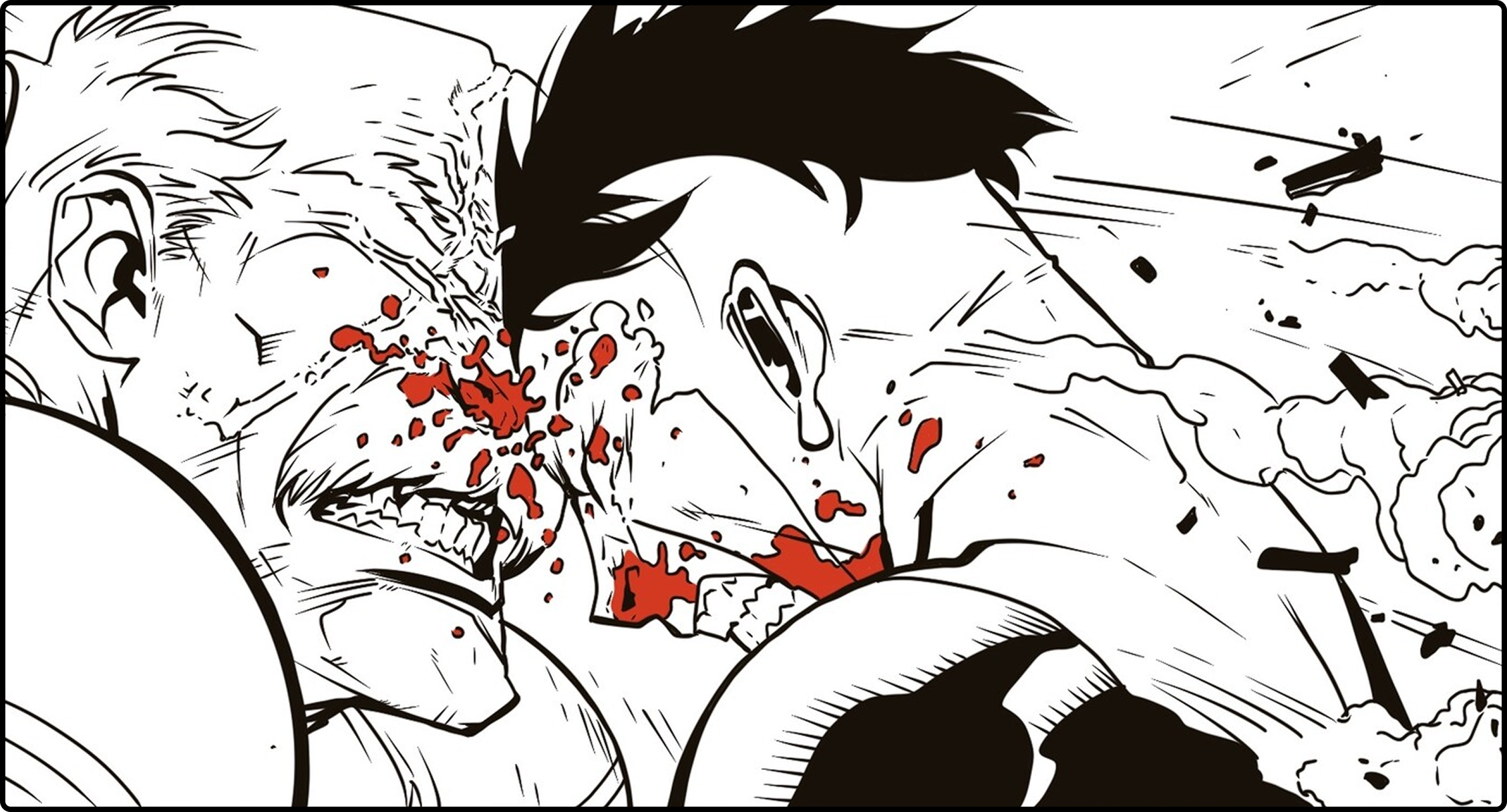
$62,088 without a Top Five issue
The 2000s make the clearest case. Invincible generated $62,088, more than three times the $20,172 produced by second-place Amazing Spider-Man (1963). It also generated more sales than Walking Dead, Ultimate Spider-Man and Amazing Spider-Man (1999–2003) combined.
That is a substantial lead. But the absence of an Invincible issue from the most-traded list means no single book had enough volume to break into the decade's Top Five. Put those two observations together, and the picture starts to change. Rather than a large amount of activity being concentrated around one issue, the data is consistent with collectors buying across a broader range of the Invincible run.
We cannot see the exact issue-by-issue distribution beyond the Top Five from this dataset alone, so it would be wrong to claim that every part of the run is moving evenly.
But we can say something more useful: Invincible's strength at the title level cannot be explained by one issue dominating the decade's individual rankings. And that is unusual enough to pay attention to.
Compare that with Ultimate Fallout
The 2010s give us a useful contrast. Invincible led the decade by volume. Ultimate Fallout led by sales at $29,147. Ultimate Fallout #4 was also the decade's most-traded individual issue.
That relationship is easy to understand. The title's strength and its major key's strength are visibly connected. Collectors are buying Ultimate Fallout, and Ultimate Fallout #4 sits at the centre of that activity. Invincible doesn't present the same pattern. It is leading the title rankings without producing the decade's dominant individual issue. That does not make one form of demand stronger than the other. It simply tells us the demand is behaving differently.
Ultimate Fallout looks key-driven. Invincible looks broader.
A different kind of liquidity
For collectors, that distinction matters.
A market driven heavily by one important issue can be extremely active, but much of that activity may ultimately trace back to the same book.
A broader title-level market can indicate something else: collectors moving between multiple issues, collecting runs, chasing different grades, buying early appearances, variants, or simply wanting more of the series. That may matter for Invincible because the series has a natural collecting structure that extends well beyond its first issue.
Major character introductions, story arcs, later issues, scarce copies, and different points of entry for collectors all matter. Someone interested in Invincible does not necessarily have to begin and end with Invincible #1. The Top of the Stack data appears consistent with that broader behaviour.
Again, the dataset cannot tell us exactly why each Invincible copy sold. But it does show the title could generate more transactions than its peers without one issue dominating the individual rankings.
That is a different kind of liquidity.
The 2000s were heavily dependent on Invincible
Another layer to the story exists. Invincible's $62,088 represented 55.1% of the 2000s Top Five title sales.
Without Invincible, the remaining four titles generated only $50,630 combined.
That makes the 2000s one of just three decades in the dataset in which a single title accounted for more than half of Top Five sales. But unlike the 1950s, where Showcase's result was heavily influenced by a $45,000 Showcase #13 transaction, no equivalent single Invincible issue tops 2000s activity.
Unlike the 2020s, where Absolute Batman occupies four of the five most-traded individual-issue positions, Invincible occupies none. All three decades are concentrated. But the concentration is coming from somewhere different. That makes Invincible the most difficult of the three to explain at a glance, and arguably the most interesting.
Maybe the run matters more than the trophy
Comic collecting has long reduced titles to their most important issue.
What's the first appearance? What's the major key? What's the book everyone needs?
Those questions make sense. Keys give collectors clear reference points, and the market often rewards them accordingly. But a series can eventually become bigger than its headline key. When that happens, collectors may begin to value the title as a body of work rather than simply as a route to one important issue.
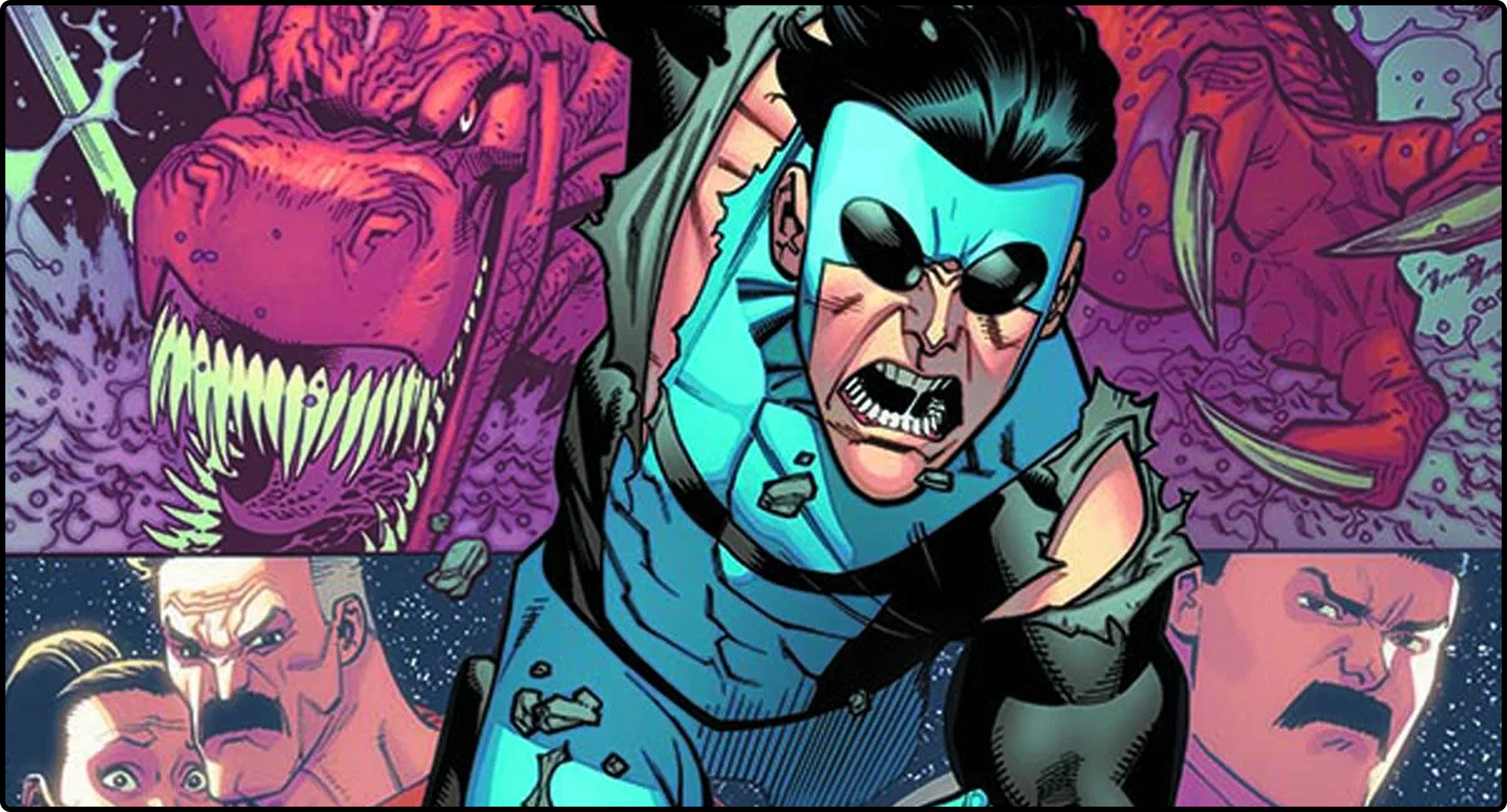
That is what makes this Invincible data worth watching. The title led 2000s volume and sales. It led 2010s volume. Yet across both decades, no individual Invincible issue made the respective Top Five most-traded lists.
The demand is visible. The obvious single issue driving it is not. That doesn't prove collectors are assembling full runs, nor does it tell us precisely which Invincible issues are changing hands further down the rankings. But it does suggest something broader than a one-book market.
And for a title with as much collector recognition as Invincible now has, that may ultimately be the more interesting sign. Sometimes the strongest market isn't the one where everyone is chasing the same comic. Sometimes it's the one where they keep coming back for the series.