Romance Resurgence: The 1950s Dollar Winners (and what they say about the market)
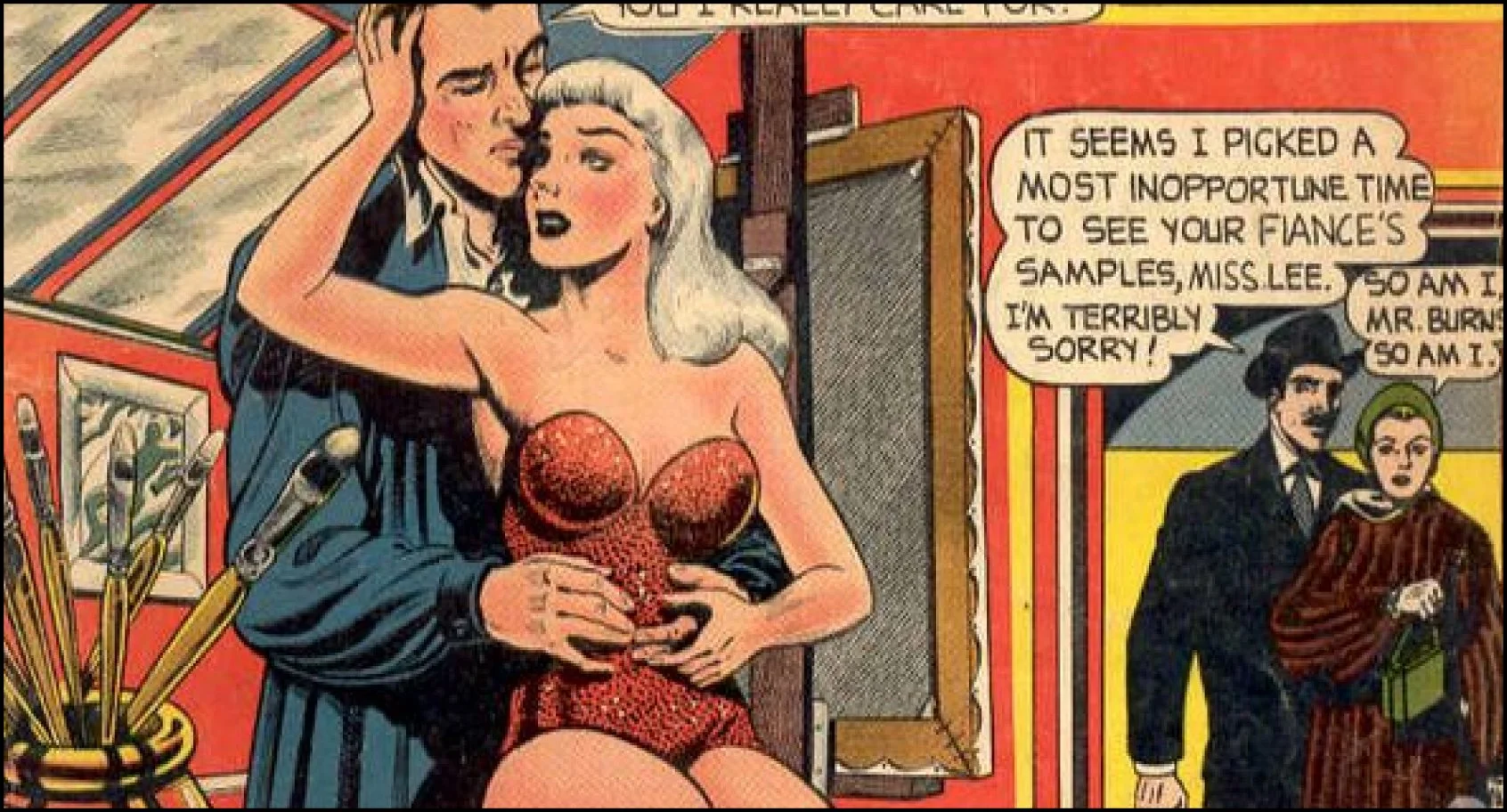
When people picture the 1950s graded market, they usually picture capes, cowls, and early DC anchors holding the floor. But this fortnight’s 1950s snapshot tells a cleaner, more interesting truth:
In the 1950s, romance was doing the heavy lifting in dollars.
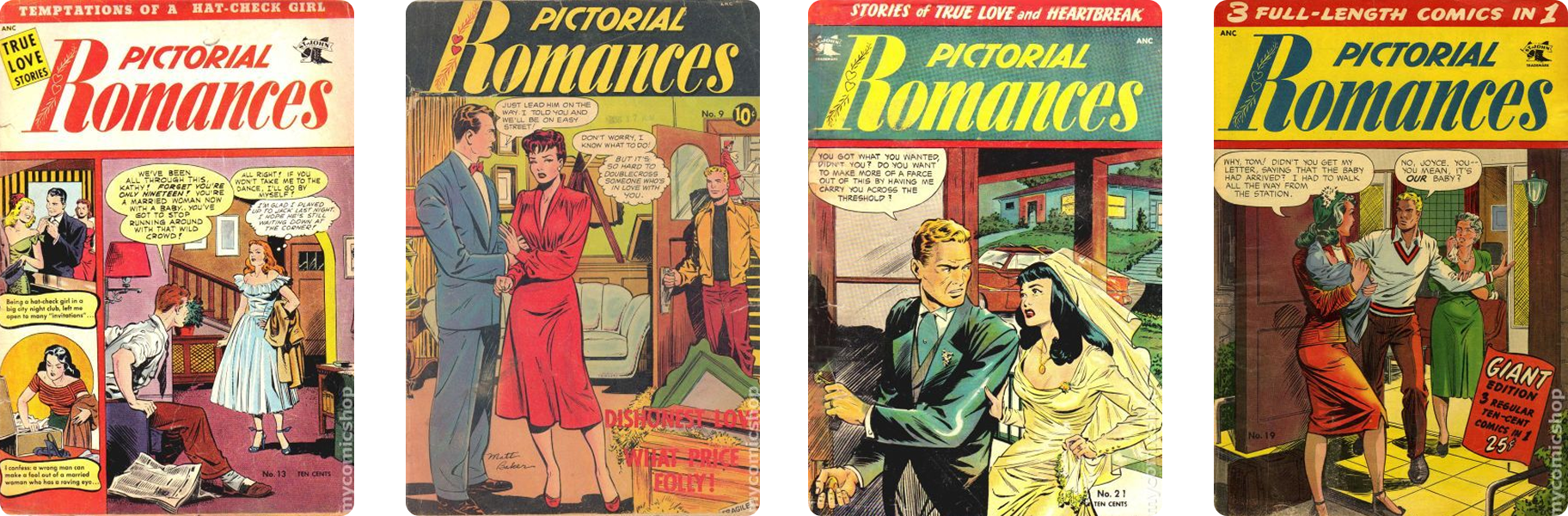
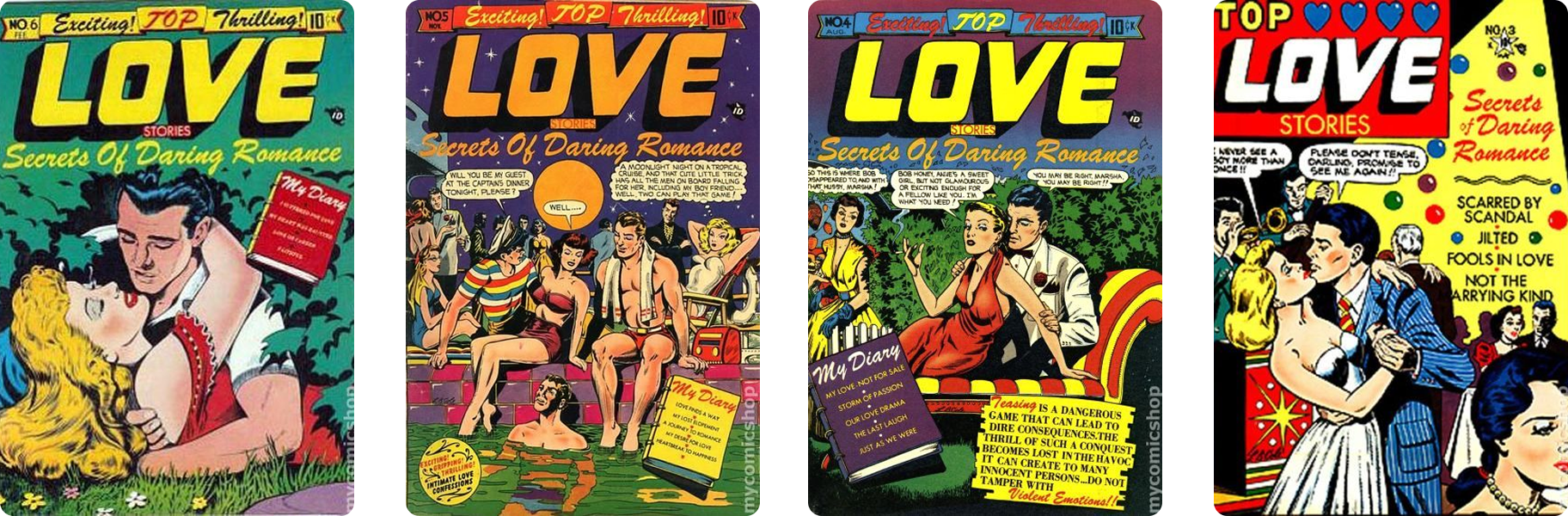
Across the Feb 10–23, 2026 dataset, the decade’s top sales leaders aren’t superhero tentpoles—they’re Pictorial Romances and Top Love Stories, out-earning the decade’s usual evergreen suspects. It’s a reminder that the 1950s market doesn’t run on icons alone. It runs on scarcity, cover appeal, and collector lanes that don’t overlap with the mainstream every day.
Source: GPAnalysis.com, sales recorded from Feb 10 – 23, 2026.
Romance leads the 1950s by sales
Top 5 titles by sales (1950s):
Pictorial Romances (1950–1954): $27,767
Top Love Stories (1951–1954): $25,175
Action Comics (1938): $20,366
Batman (1940): $17,747
Detective Comics (1937): $14,256
That ordering matters. It’s not “romance shows up.” Its romance takes the top two spots—and does it by a meaningful margin.
What this suggests:
The 1950s lane is rewarding books that are (a) genuinely harder to find in high grade, and (b) less “evergreen liquid” than superhero staples—so when clean copies trade, they can command attention fast.
Meanwhile, the 1950s volume lane is still classic “collector comfort food”
Top 5 titles by volume (1950s):
Four Color (1939–1962)
Batman (1940)
Action Comics (1938)
Vault of Horror (1950–1955)
Detective Comics (1937)
This is the counterweight to the romance-dollar story.
Four Color’s presence at #1 by volume makes sense: it’s broad, deep, recognisable, and constantly circulating. Batman/Action/Detective remains a dependable repeat-trade pillar. And Vault of Horror is the genre flare—EC horror does what it always does: show up and bite.
What this suggests:
Familiar, high-frequency titles are still carrying the decade’s volume—while the decade’s dollars can be won by rarer lanes (like romance) that trade less often but hit harder when they appear.
The “most traded issues” list hints at how collectors are moving
Most traded issues (1950s):
Mad (1952) #1 (1952)
Action Comics (1938) #252 (1959)
Archie’s Girls, Betty and Veronica (1950–1987) #1 (1950)
Batman (1940) #121 (1959)
Detective Comics (1937) #267 (1959)
This list reads like a map of 1950s collector psychology:
#1s and firsts (Mad #1, Betty & Veronica #1)
era-defining DC touchpoints (Action #252, Batman #121, Detective #267)
Notably, the romance leaders don’t appear here, because romance is rarely a “most traded issue” lane in the same way. Romance tends to be condition-driven and scarcity-driven, not “everybody needs this one issue” driven.
What this suggests:
Romance is winning dollars without needing to dominate trade frequency—classic sign of a specialty lane: lower churn, higher intensity.
Why romance can spike in the 1950s
Even without going beyond the snapshot tables, you can infer the mechanics behind this:
1) High-grade scarcity is the whole game
Romance books were often handled as disposable reading—passed around, folded, stored poorly, tossed. That creates a long tail where high-grade survivors draw disproportionate spending.
2) Cover appeal is a value driver (and romance lives on covers)
Romance covers sell the story in one frame—emotion, drama, spectacle, colour—so they behave like “display books” as much as “story books.”
3) It’s a different buyer lane
A romance collector isn’t always the same person chasing Silver Age Marvel keys. So when romance enters the top sales slots, it can signal fresh money and parallel collector demand, not just the usual rotation of superhero liquidity.
What to watch next fortnight
If romance is truly resurfacing as a dollar lane (and not just a one-off), the next snapshot should show at least one of these:
Romance titles repeating in Top 5 1950s sales again (even if swapped names)
A romance title creeping into the Top 5 1950s volume (bigger signal: liquidity rising)
A “romance-adjacent” broad title (Archie/Betty & Veronica types) lifting alongside it—showing a wider mid-century appetite, not just one spike

Final Panel
This fortnight’s 1950s data has a great split-screen feel:
Volume stays anchored in the dependable classics (Four Color, DC mains, EC horror).
Dollars, however, tip toward a lane that collectors often forget to check first: romance.
The 1950s aren’t just a superhero decade in the graded market. They’re a decade where scarcity and cover culture can still punch straight through the charts—quietly, cleanly, and expensively.