Run Builders Live Here: Why Pulp Trading Doesn’t Look Like Key Chasing

In the graded market, it’s easy to assume the same instinct drives everything: chase the biggest key, pay up, move on. But pulps don’t behave like that—not in this fortnight’s snapshot, and not in the way their volume clusters show up.
Pulps trade like a run-building culture. Collectors aren’t only hunting a single trophy issue; they’re circling familiar mastheads, picking up adjacent numbers, filling gaps, and steadily moving through a series. The evidence is sitting right in the “most traded issues” lists.
This is what the dataset from Feb 10–23, 2026, is telling us about the pulp lane.
Source: GPAnalysis.com, sales recorded from Feb 10 – 23, 2026.
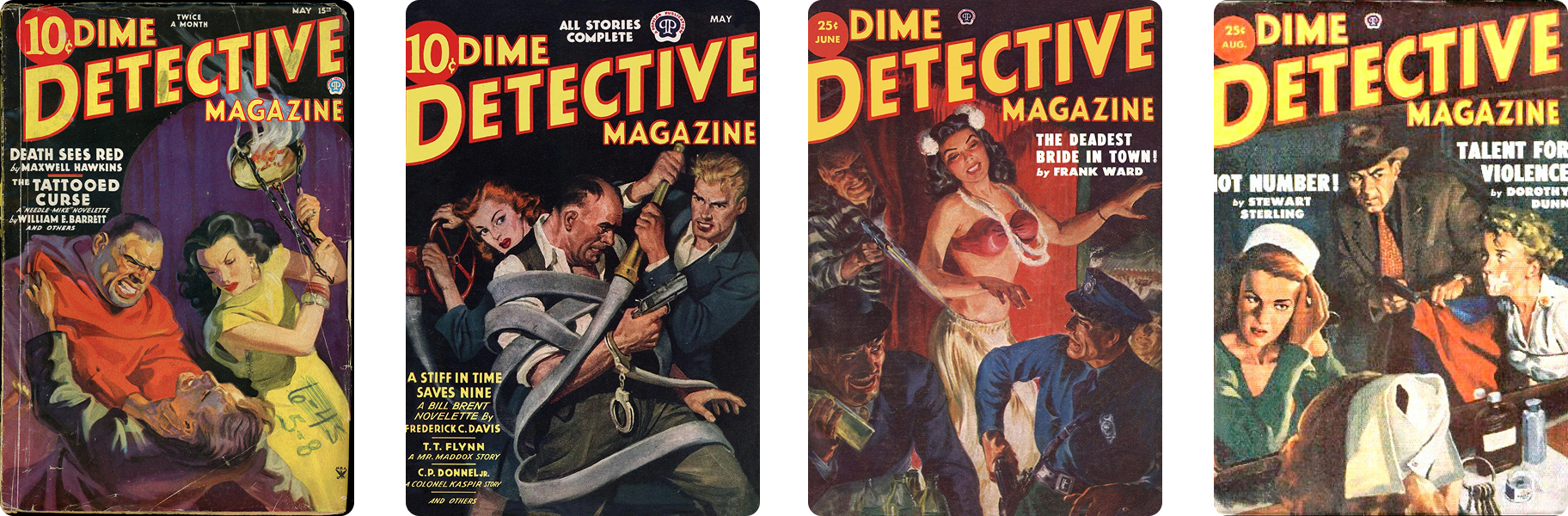
The Pulp Engine Titles Are Consistent (and they travel in packs)
In the 1930s decade bucket, the top titles by volume are almost entirely pulp-first staples:
Top 5 titles by volume (1930s):
Black Mask (1920–1951)
Dime Detective Magazine (1935–1953)
Spider (1933–1943)
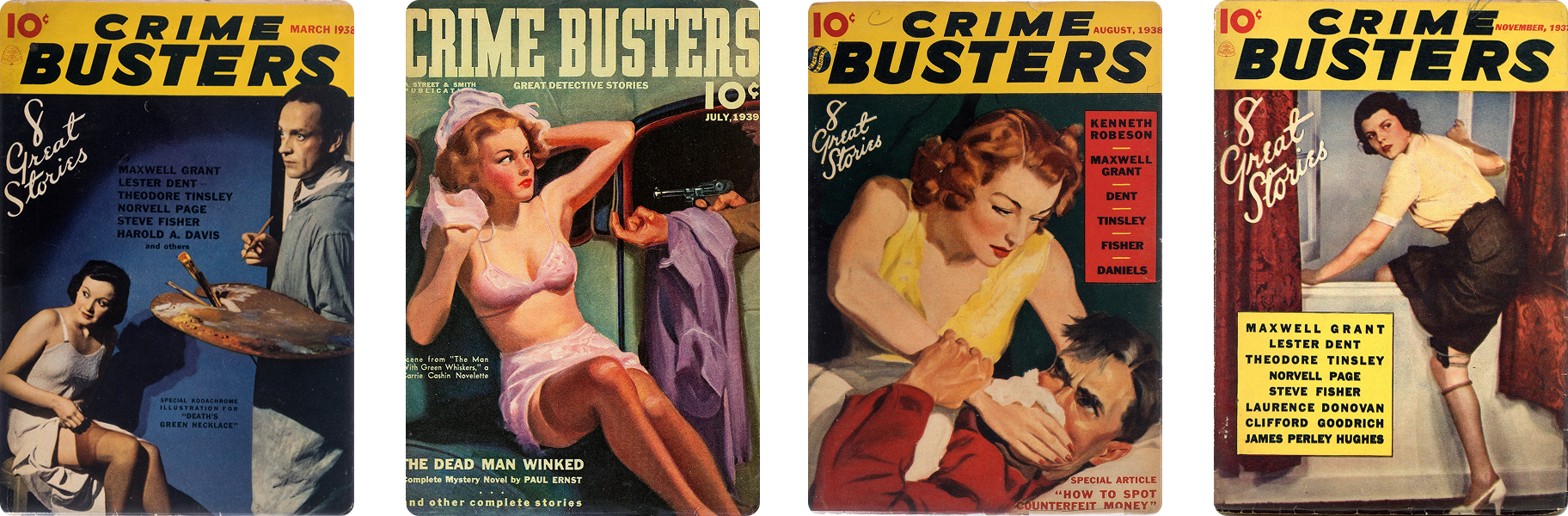
Crime Busters (1937–1939)
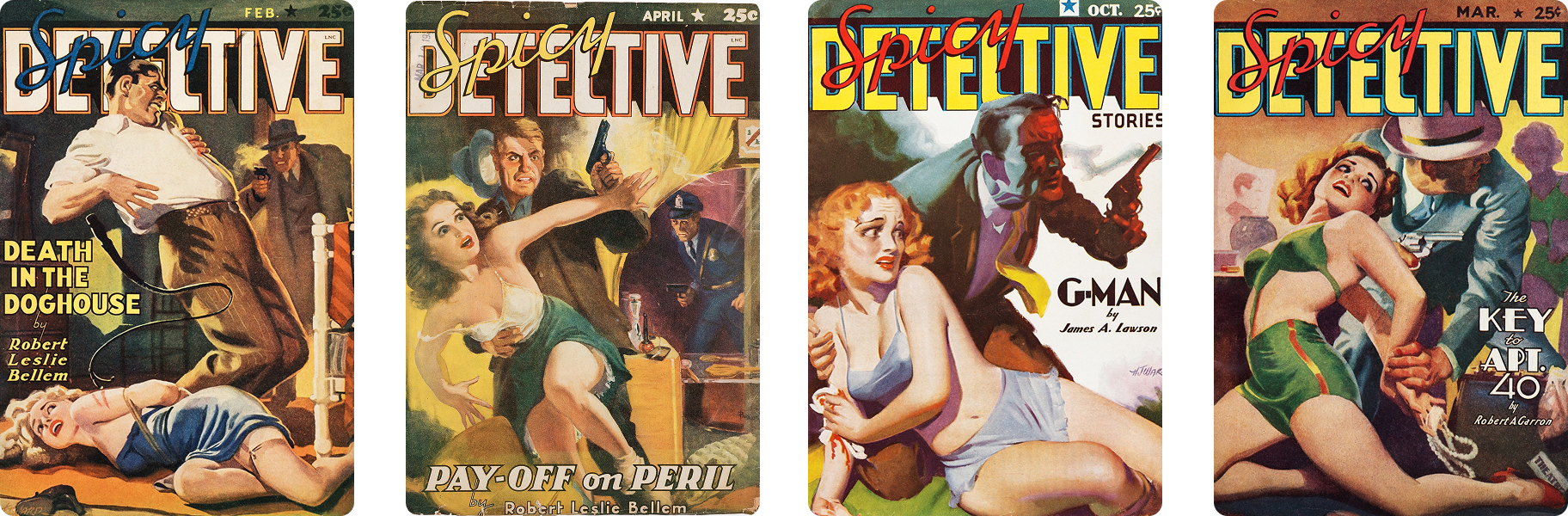
Spicy Detective Stories (1934–1942)
That list reads less like a “random assortment of old paper” and more like a repeatable buying lane: crime, detective, adventure—brands that pulp collectors recognise instantly.
If this were pure key-chasing behaviour, you’d expect the decade to be dominated by singular, famous spikes. Instead, it’s dominated by series.
The Proof Is in the Most-Traded Issues: Run Building in Plain Sight
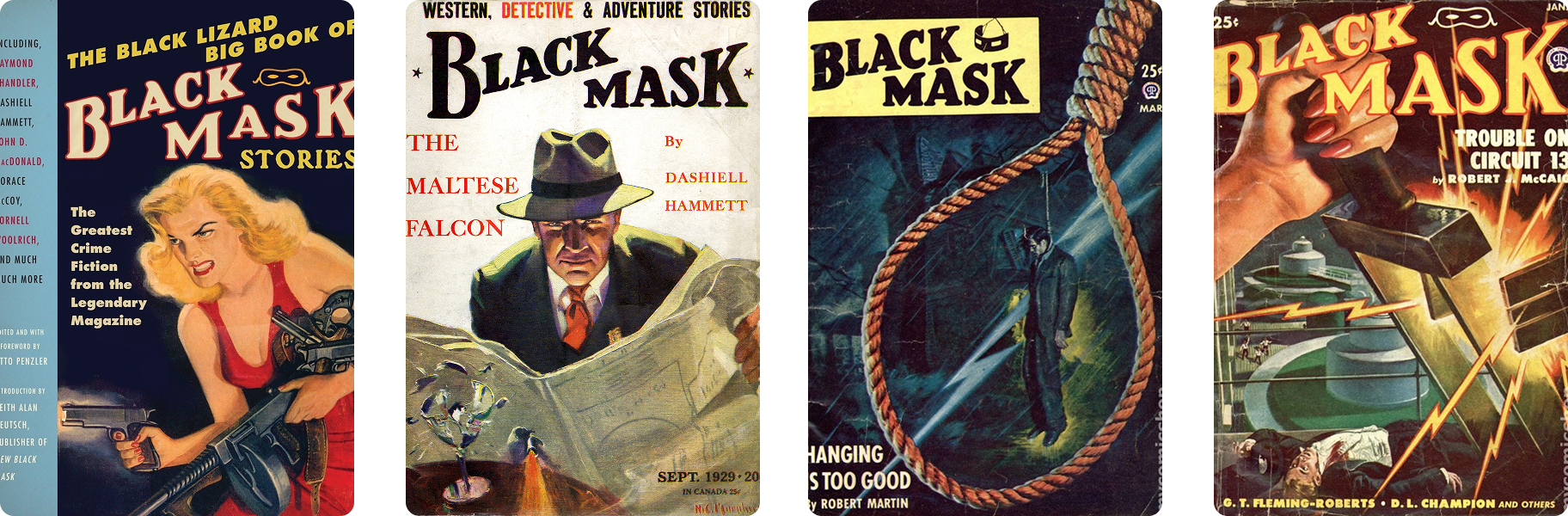
Now look at the 1930s “Most traded issues” list:
Wonderworld Comics (1939–1942) #4 (1939)
Spider (1933–1943) #62 (1938)
Spider (1933–1943) #64 (1939)
Black Mask (1920–1951) #188 (1934)
Black Mask (1920–1951) #191 (1934)
Two issues from Spider appear. Two issues from Black Mask appear. And they’re not #1s. They’re not “one-book defines the decade” outliers. They’re adjacent pickups, the exact pattern you’d expect from collectors building runs:
‘I’ve got #62… I’ll grab #64 too.’
‘I’m missing #188… and #191 is close enough to knock off another gap.’
That’s the pulp lane in a sentence: serial momentum beats single-issue obsession.

Dollars Still Concentrate, But Not the Way You’d Expect
When you shift to the 1930s “Top 5 titles by sales”, the story doesn’t contradict run-building—it completes it.
Top 5 titles by sales (1930s):
Superman (1939–1986): $20,384
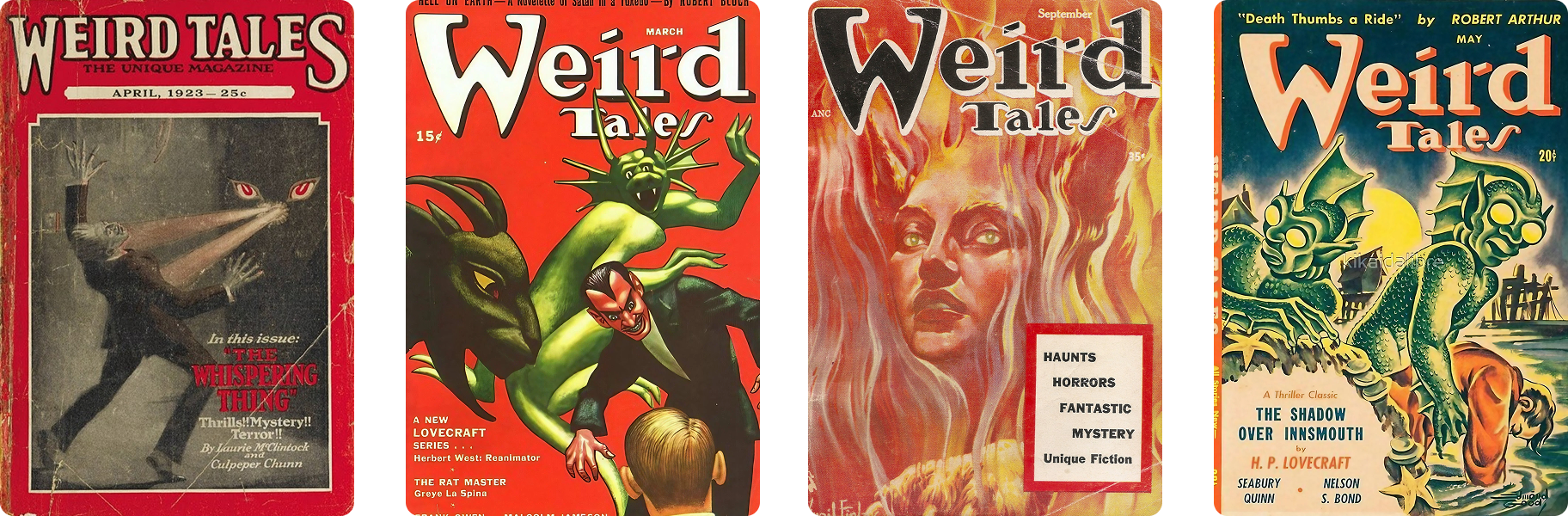
Dime Detective Magazine (1935–1953): $15,608
Black Mask (1920–1951): $14,728
Weird Tales (1923–1954): $7,900
Spicy Detective Stories (1934–1942): $7,070
You’ve got two things happening at once:
Core pulp pillars (Dime Detective, Black Mask) are doing real dollar work—consistent with repeat trading and series demand.
Crossover gravity (especially Weird Tales) pulls spend because it attracts collectors beyond the pure pulp lane (genre history, horror adjacency, legacy appeal).
Pulps don’t need one mega-key to function. They thrive on recognisable titles, serial collecting, and occasional crossover spikes.
The 1940s Shows the Bridge: Pulps and Comics Share Oxygen
In the 1940s, top titles by volume, pulps aren’t gone—they’re braided into the same decade lane as superhero anchors:
Top 5 titles by volume (1940s):
Dime Mystery Magazine (1932–1949)
Batman (1940)
Black Mask (1920–1951)
Detective Comics (1937)
Superman (1939–1986)
That’s the bridge decade in miniature: pulp collectors and comic collectors aren’t separate islands. There’s overlap, and it shows up in what gets traded.
What This Means for Collectors (and for the market)
If you’re reading pulp movement using a “key-chasing” lens, you’ll miss what’s actually happening.
Pulps trade on:
Series familiarity (collectors return to the same mastheads)
Gap-filling behaviour (adjacent issues moving together)
Genre lanes (crime/detective/adventure with occasional horror spikes)
Crossover titles (Weird Tales style magnets)
This is why pulp liquidity can look “quiet” compared to superhero fireworks—but still remain consistent and intentional.
Watchlist for Next Fortnight
If the same pattern holds, here’s what to watch in the next snapshot:
Black Mask — does it keep placing issues in “most traded,” not just “top volume”?
Dime Detective / Dime Mystery — do they rotate through volume leaders as a steady lane?
Spider — does it continue to show multiple issues per fortnight (a strong run-building signal)?
Weird Tales — does it spike on dollars again as the crossover magnet?
Final Panel
This fortnight’s pulp data reads like a community with a different heartbeat: less trophy-hunting, more serial collecting—the slow satisfaction of filling gaps, stacking consecutive numbers, and returning to the same titles because they feel like home.
In pulps, the market doesn’t shout. It threads.