Selling Comic Books: What Every Collector Should Know Before, During and After the Sale
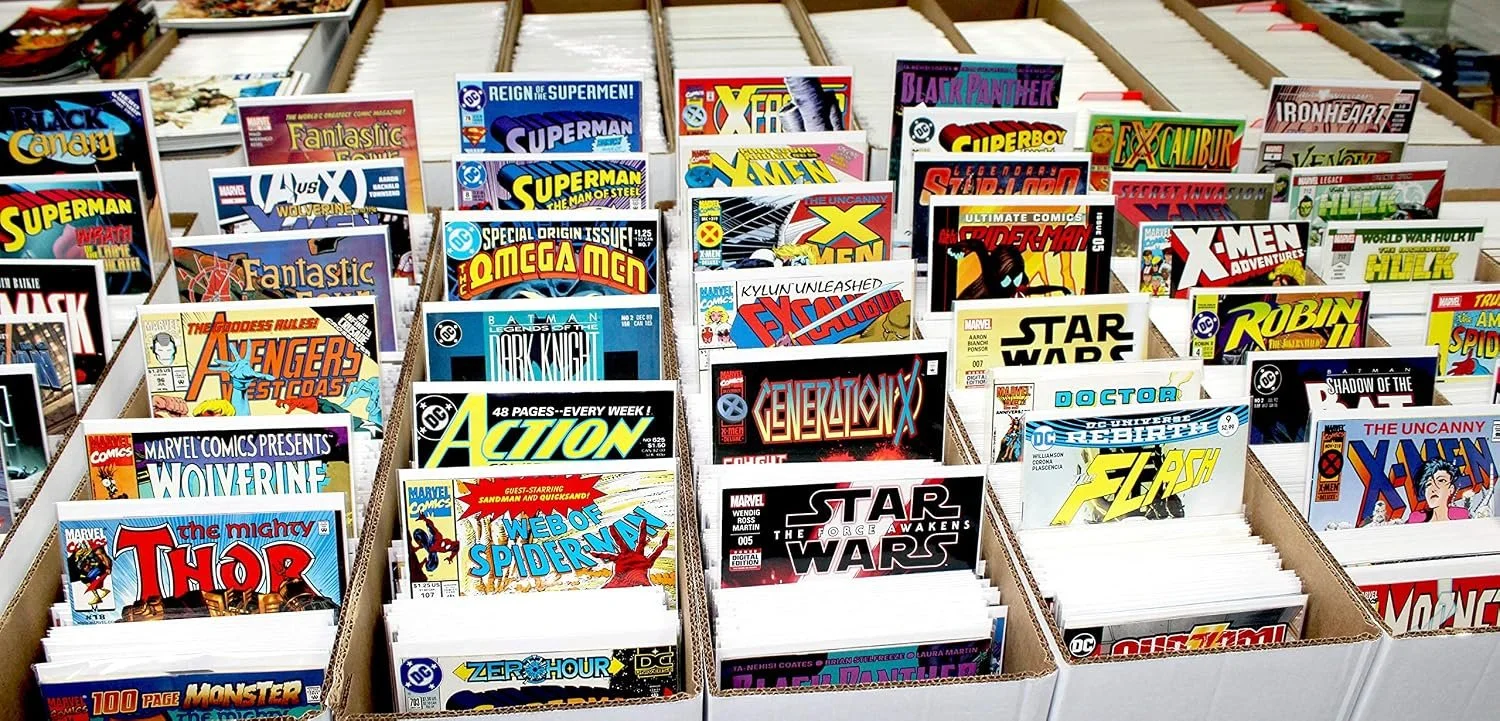
Have you ever sold a comic book and immediately wondered whether you sold it too cheaply?
We have, and we suspect plenty of collectors have.
There is another version of the story too.
You list a comic for what seems like a perfectly reasonable price. A week passes. Then another. Nobody buys it. You reduce the price. Still nothing. Eventually you begin to wonder whether the rest of the collecting world has somehow failed to recognise the extraordinary opportunity sitting directly in front of them.
Or perhaps the price is simply wrong.
Buying and selling comic books require many of the same skills, but they are not quite the same game.
When buying, you are trying to recognise value.
When selling, you have to determine that value, communicate it to somebody else and then successfully complete the transaction.
That last part is important.
A sale is not finished when somebody presses the Buy button, wins your auction or hands you cash. For an online transaction in particular, the sale is finished when the buyer receives the comic they expected, in the condition they expected, and hopefully without the postal service attempting to fold it into a smaller size.
Whether you are a dealer, a regular online seller, a collector thinning out the collection or somebody who has just discovered six long boxes in a relative's spare room, there are some basic things worth knowing before you sell.
What This Article Will Cover
Selling comics successfully can be reduced to a fairly straightforward process.
Know what you have.
Understand its condition.
Research what comparable copies have actually sold for.
Choose the right way to sell it.
Present it accurately.
Get paid safely.
Pack it properly.
And deal professionally with whatever happens next.
None of those steps is particularly difficult.
Skipping one can be expensive.
First, Know Exactly What You Are Selling
This sounds obvious.
It isn't.
Before deciding what a comic is worth, correctly identify it.
Title, publisher and issue number are only the beginning.
Is it a first printing or a later printing? Direct edition or newsstand? A Canadian Price Variant? A recognised cover variant? A Mark Jewelers insert? A pedigree? A Signature Series book? Is restoration present? Is the book complete?
Sometimes apparently small differences can create surprisingly large differences in value.
Collectors will occasionally spend hours researching a book before buying it and only a few minutes researching the same book before selling it.
That seems backwards.
If somebody is going to pay you hundreds or thousands of dollars for a comic, it is worth spending a little time establishing exactly what you are asking them to buy.
For professionally graded books, much of the identification has already been done, but do not stop at the number on the label.
Look at the label designation, page quality, signatures, restoration or conservation information, pedigree information and other relevant notes.
Look at the holder as well.
A CGC 9.4 inside a badly scratched or cracked holder is still a CGC 9.4, but the buyer should know about the holder before receiving it.
For raw books, considerably more responsibility falls on the seller.
And that inevitably leads us to grading.
The Dangerous Business of Grading Your Own Comics
Few subjects can generate an argument among collectors faster than grading.
One person's VF is another person's VF-.
And occasionally another person's “What comic are you looking at?”
If you regularly sell raw comic books, learning to grade reasonably accurately is one of the most valuable skills you can develop.
Look at the entire comic.
Examine the spine, corners, cover surface, creases, tears, stains, writing, staples, centre wrap, interior pages, missing pieces and page quality.
And then try to resist the powerful psychological force encouraging you to grade the comic you wish you owned rather than the comic actually sitting in front of you.
When uncertain, particularly with an expensive raw comic, conservative grading generally produces fewer unhappy customers than optimistic grading.
A buyer who receives a book slightly better than expected is usually pleased.
A buyer who receives something substantially worse than expected will probably contact you.
Repeatedly.
Condition Is More Than a Number
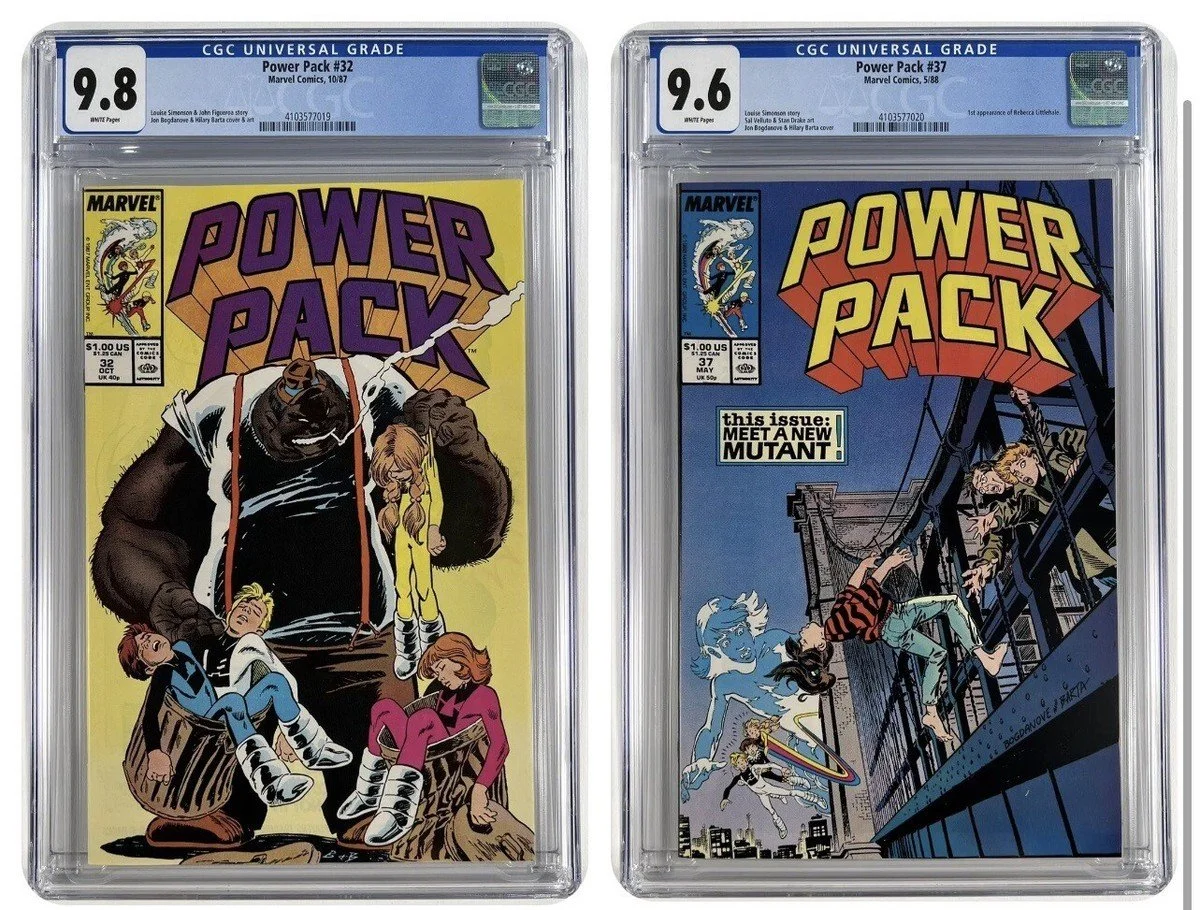
Even with certified comic books, grade is not the entire story.
Two copies carrying exactly the same numerical grade can present very differently.
One may have beautiful centring, strong colour and tremendous eye appeal but several small technical defects. Another may technically earn the same grade while possessing one particularly distracting crease, miswrap or production flaw.
Collectors notice these things.
Page quality matters on older books.
Restoration matters.
Signatures matter.
Completeness matters.
Eye appeal matters.
This becomes especially important when comparing previous sales.
Finding another copy in the same numerical grade does not automatically make it an ideal comparison.
A restored 6.0 is not necessarily comparable to another restored 6.0 if the type and extent of restoration differ significantly.
Look into the details.
The details are where expensive mistakes tend to live.
What Is the Comic Actually Worth?
Now we arrive at everybody's favourite question.
Unfortunately, there usually isn't one perfect answer.
Comic books do not have immutable values carved into stone tablets.
They have markets.
Markets move.
A book may sell repeatedly at one level for months and then decline. Another may sit quietly for years before suddenly attracting renewed interest. A scarce Golden Age comic may trade so infrequently that the most recent directly comparable sale happened several years ago.
Start with actual sales wherever possible.
For CGC graded books, GPAnalysis provides recorded sales data from multiple online venues. That gives the seller something extremely useful: evidence of what collectors have actually paid.
This distinction matters.
A comic listed online for $10,000 tells you that somebody would like $10,000.
It does not tell you that anybody will pay $10,000.
Completed sales are considerably more informative.
Even then, do not simply find one transaction and declare that to be “the value”.
Look at several sales where possible. Consider recency. Look for trends. Compare the exact grade and label type. Consider whether the book trades frequently or rarely.
For common, frequently traded graded books, pricing may be relatively straightforward.
Rare books are harder.
Perhaps there are only two relevant transactions in five years. Perhaps the nearest comparison is one grade higher. Perhaps market conditions have changed considerably since the previous sale.
At that point pricing becomes part analysis and part educated judgement.
The important word is educated.
Do Not Confuse Rarity With Demand
A scarce comic is not automatically an expensive comic.
There must also be collectors who want it.
This is one of the more interesting realities of collectibles.
A comic with hundreds or thousands of surviving copies can sometimes be enormously valuable because demand is overwhelming. Another comic may be genuinely scarce yet relatively inexpensive because very few people are actively chasing it.
When selling, therefore, you need to think about both supply and demand.
How many are available?
How often does the book come to market?
And when it does appear, how many people actually care?
The last question can be the most important.
What Do You Want From the Sale?
Before deciding where to sell a comic, decide what you want from the transaction.
Do you want the highest possible price?
Do you need the money quickly?
Do you want the simplest possible transaction?
Those objectives can point in different directions.
A dealer may offer immediate payment but needs enough margin to resell the book profitably.
An auction may expose the comic to many motivated buyers but introduces uncertainty.
Consignment can remove much of the work but comes at a cost.
Selling directly to another collector may produce a stronger net return, but now you are responsible for photography, negotiation, payment, packaging and delivery.
There is no single “best” way to sell comic books.
There is only the most appropriate method for the particular book and the particular seller.
A $20 modern comic, a $2,000 Silver Age key and a $50,000 Golden Age rarity probably should not all be sold in exactly the same way.
Selling to a Dealer or Comic Shop
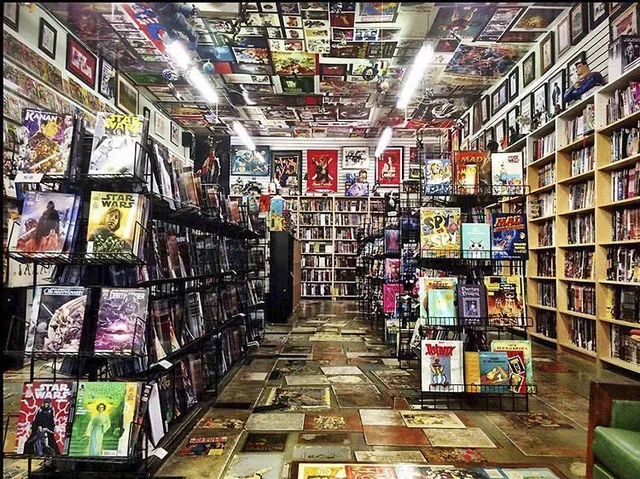
The traditional dealer transaction remains one of the simplest ways to sell.
The dealer examines your comics, determines what they believe they can resell them for and makes an offer.
You accept or decline.
Simple.
The mistake some inexperienced sellers make is expecting a dealer to pay full retail market value.
A dealer buying inventory has expenses and risk. The comic may remain unsold for months. The market may move. There are business costs involved. And eventually the dealer needs to make a profit.
You are effectively exchanging some potential return for convenience, speed and certainty.
For one particularly desirable comic, you may prefer another method.
For 3,000 comics taking over your garage, the dealer suddenly begins looking considerably more attractive.
Selling at Comic Conventions
Conventions provide another traditional route.
You may sell directly to dealers, trade with collectors or operate your own table depending on the event and its rules.
The major advantage is that the building is full of people who already like comic books.
The slight complication is that many of those people know exactly what comic books are worth.
Research your books beforehand.
Know which ones are genuinely desirable and which ones are essentially box filler.
If you are operating a table, presentation matters. Organised boxes, clear prices and an understanding of your inventory make a substantial difference.
Nobody enjoys watching a seller spend ten minutes digging through four boxes trying to locate the comic the seller advertised.
Auction Houses and Consignment
Higher-value comics may be suitable for specialist auction houses or consignors.
They can provide several advantages: an established customer base, marketing, photography, descriptions, payment handling and sometimes international exposure.
For an important comic, access to the right group of collectors may be worth considerably more than simply placing the book on whichever marketplace happens to be convenient.
But understand the economics first.
Read the consignment agreement.
Understand seller commissions, buyer's premiums where relevant, insurance arrangements, withdrawal conditions, payment schedules and any additional charges.
The headline auction result is not necessarily the amount entering your bank account.
Always work with the net figure.
Selling Online
Digital selling changed the comic hobby enormously.
You are no longer restricted to collectors who live near you, visit your local shop or happen to attend the same convention.
Your buyer may live on the other side of the country.
Or the other side of the world.
That reach can be extremely useful, particularly for unusual comics with a relatively small group of potential buyers.
But there is a trade-off.
The buyer cannot physically inspect the comic.
They are relying on you.
Your photographs, description, reputation and communication must replace the experience of holding the comic in their hands.
In online comic selling, trust becomes part of the product.
eBay and Large Marketplaces
Large marketplaces can provide enormous visibility.
For commonly traded comics, that audience is one of their greatest strengths.
The infrastructure is also appealing. Listings, payments, messaging, feedback and transaction records can all exist within the same ecosystem.
The cost is that you are operating under somebody else's rules.
Fees, return procedures, seller requirements and buyer protections can change. Sellers should understand the current rules of whatever platform they use before listing valuable material.
Do not assume you know them because you sold something there three years ago.
And be cautious when a buyer immediately attempts to move a marketplace transaction away from the marketplace.
There may be perfectly innocent reasons.
There may also be a reason the person would prefer the platform not to see what happens next.
Facebook, Instagram, Forums and Collector Groups
Direct selling through social media and collector communities can work extremely well.
In established groups, buyers and sellers may already know one another. Selling costs can be lower, unusual material can quickly reach the right audience and transactions can feel much more like traditional collector-to-collector deals.
The downside is that much of the marketplace infrastructure may disappear.
Now you may need to establish who the other person is, agree on payment terms, determine shipping and work out what happens if there is a dispute.
Reputation becomes extremely important.
References can matter.
Transaction history can matter.
A ten-year member of a specialist collecting community with hundreds of successful transactions presents a different risk profile from an account created yesterday offering a suspiciously inexpensive Amazing Fantasy #15.
That does not mean the new account is fraudulent.
It does mean there is nothing wrong with being careful.
Create a Listing That Answers Questions
A good listing answers the buyer's obvious questions before the buyer needs to ask them.
Identify the comic correctly.
Include the title, issue number, publisher, grade or estimated grade and any significant edition or variant information.
For a certified comic, state the certification details accurately.
For raw comics, describe important defects.
If restoration is known, disclose it.
If a coupon is missing, disclose it.
If somebody wrote “PROPERTY OF JACK” across the back cover in 1978, disclose it.
Jack may have felt strongly about ownership.
Your buyer probably will too.
Avoid turning the listing into marketing theatre.
Apparently half the comic books on the internet are now “RARE INVESTMENT MEGA KEYS”.
Collectors eventually become immune to the shouting.
Accurate information builds more confidence than excessive adjectives.
Photographs Sell Comics
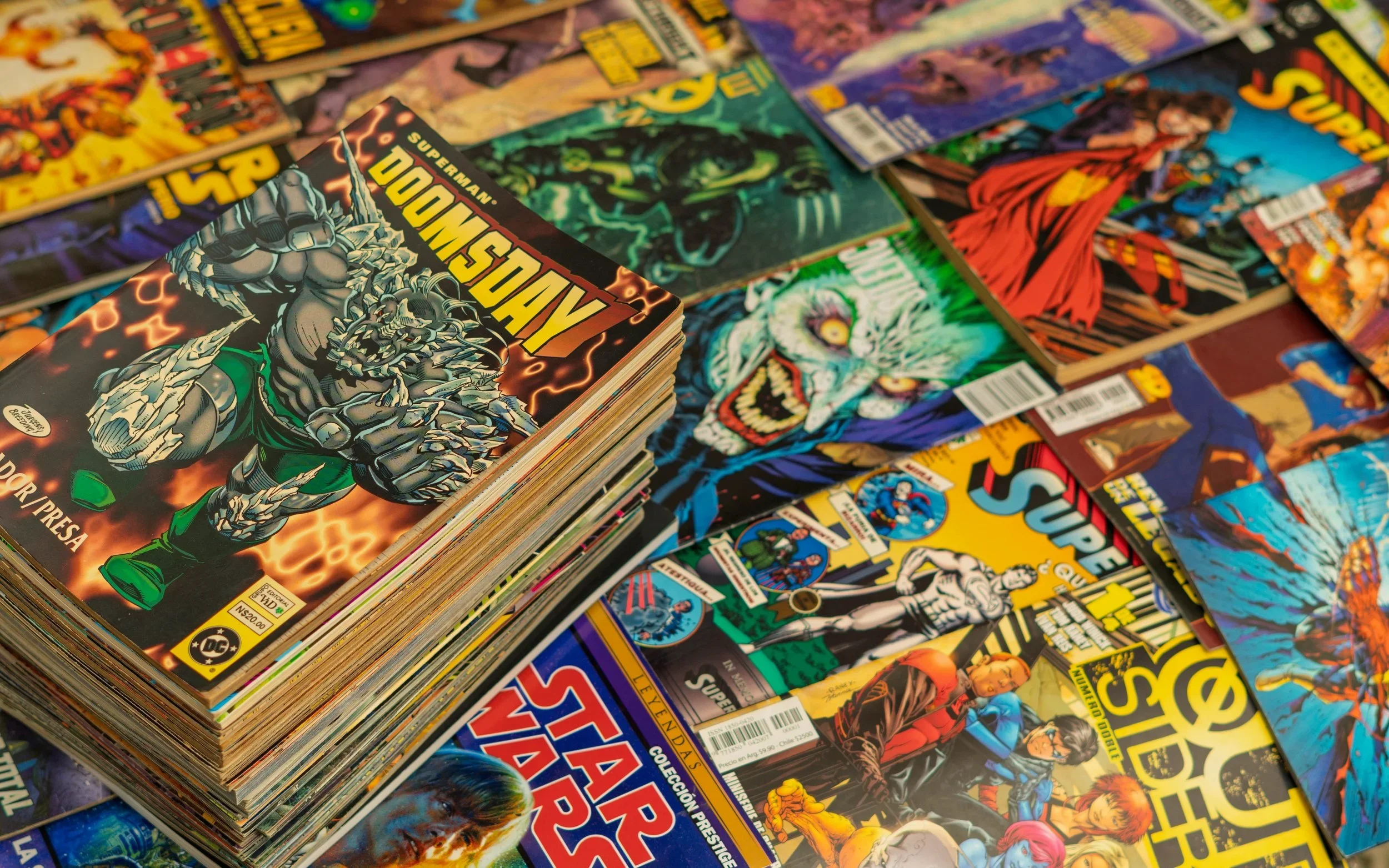
If the buyer cannot inspect the comic, photographs become critically important.
For raw books, provide clear photographs of the front and back covers. Expensive books may justify additional images of the spine, corners, staples, centre wrap, interior pages and significant defects.
For graded comics, clearly photograph the front, back, label and condition of the holder.
Use good lighting.
Avoid excessive glare.
Avoid filters.
And please remove the comic from the thirty-year-old cloudy bag before photographing it if doing so can be done safely.
The purpose is to document the comic, not create an atmosphere of mystery.
For valuable books, take photographs immediately before packing as well.
They may become very useful later.
Prepare the Comic for Sale
Presentation matters, but preparation should not become intervention.
For raw books, an appropriate clean bag and board can improve presentation and protect the comic.
Handle valuable comics carefully.
Do not repeatedly remove them from their protection just because another potential buyer wants to see the same corner from eleven slightly different angles.
And resist the temptation to become an amateur restorer immediately before the sale.
Tape removal, glue, trimming, colour touch and other alterations can have serious consequences.
If you believe professional pressing, cleaning, grading or conservation may materially improve an important comic, investigate the cost and likely benefit before proceeding.
Sometimes spending money before a sale creates value.
Sometimes you spend $100 solving a $40 problem.
That is not really an investment.
It is education with a receipt.
Raw or Graded?
Some raw books may become easier to sell after professional third-party grading.
Certification can reduce uncertainty, provide authentication benefits in appropriate circumstances and make comparisons with recorded sales easier.
But grading costs money.
Not every comic needs to be encapsulated.
A relatively inexpensive book may gain very little after grading once submission, shipping and related costs are considered.
Important keys, high-grade vintage books, frequently counterfeited issues and certain signed comics may present a stronger case.
Run the numbers first.
Plastic does not automatically create profit.
Setting the Asking Price
Before listing, determine three numbers.
What would you like to receive?
What would you realistically accept?
And what will you actually keep after all costs?
These numbers are rarely identical.
Allow for platform charges, commissions, payment costs, packing materials, shipping, insurance and currency conversion where applicable.
If you are selling through an auction house or dealer, understand what your net proceeds will be.
A comic can “sell for $2,000” without putting $2,000 in your pocket.
Work backwards from the result you actually care about.
Auction or Fixed Price?
Auctions can produce excellent results when several motivated buyers want the same comic.
They can also produce uncomfortable results when those buyers fail to appear.
Fixed-price listings provide more control. You can wait for the right buyer.
The problem is that waiting may take quite some time.
Some comics sell within minutes.
Others appear to sign a long-term lease on your inventory.
Best-offer listings create a middle ground and invite negotiation.
They also introduce you to one of the great traditions of internet commerce: receiving an offer so spectacularly low that you briefly wonder whether the buyer accidentally omitted a digit.
Do not become offended.
Decline it.
Move on.
Negotiation
Comic collectors negotiate.
There is nothing unusual about it.
Decide your minimum acceptable price before the conversation starts.
Otherwise emotion begins making decisions for you.
You may accept too little because you are excited to complete the sale.
Or refuse a perfectly sensible offer because you have become psychologically attached to your original asking price.
Negotiation is simply an attempt to find the number at which both people prefer the transaction to no transaction.
Sometimes that number exists.
Sometimes it doesn't.
The Comic Has Sold. Now What?
This is where some sellers make the mistake of thinking the important work has finished.
It hasn't.
First, confirm that payment has actually been received according to the agreed method.
A screenshot claiming payment was made is not necessarily payment.
A message saying that funds are “pending” is not necessarily payment.
Verify the transaction through the payment service or selling platform itself.
If you listed the comic in multiple places, remove the other listings immediately.
Selling the same comic to two people tends to produce one happy buyer and one extremely unhappy one.
Record the transaction.
For valuable books, keep relevant messages, payment records, photographs and shipping documentation.
Then pack the comic.
Properly.
Packing Raw Comics
The objective is simple.
The comic should arrive in essentially the same condition in which it left you.
For raw books, use appropriate bagging and backing, protect against bending and prevent unnecessary movement within the package.
Rigid comic mailers can work well for suitable books. Additional cardboard protection may be appropriate depending on the item and shipping method.
Protect against reasonable moisture exposure.
Do not allow the comic to slide around inside the package.
But also remember that the buyer eventually has to open it.
There is a point at which adding another six metres of packing tape stops being security and becomes a personal challenge.
Avoid placing tape where the buyer risks catching the comic while cutting it open.
Packing Graded Comics
A slab is rigid.
It is not indestructible.
Protect the holder against impact, pressure and movement.
Use suitable cushioning and a strong outer carton. For valuable books, additional protection or double-boxing may be sensible.
Shake the packed box gently before sealing it.
If you can hear or feel the slab travelling from one side to the other, you have not finished packing.
Remember what may happen during transit.
Sorting equipment.
Conveyor belts.
Trucks.
Aircraft.
Depots.
Other parcels.
And somebody working a delivery route who has absolutely no idea you spent fourteen years looking for that particular 8.0.
Pack accordingly.
Tracking, Insurance and Proof
As the value of the comic rises, the phrase “I hope it gets there” becomes a less attractive shipping strategy.
Use an appropriate tracked service.
For valuable comics, investigate insurance and signature requirements.
Understand the carrier's conditions and limits before assuming that your collectible is fully covered.
Keep the receipt.
Keep the tracking number.
For significant transactions, photograph the comic, the packing process and the final labelled parcel.
You hope you never need those photographs.
That is not a good reason not to take them.
International Sales
International buyers can dramatically increase the market for certain comics.
They also introduce additional considerations.
Shipping is more expensive.
Transit times are longer.
Insurance may work differently.
Customs declarations may be required.
Taxes, duties or import charges may apply.
Payment may involve currency conversion.
And if something goes wrong, the comic may be thousands of kilometres away.
Be clear about who is responsible for shipping charges, duties and taxes before the transaction.
Describe the item accurately on customs documentation and comply with the relevant shipping and customs requirements.
Do not misdeclare a valuable comic simply because the buyer asks you to.
A successful sale is not improved by introducing customs fraud halfway through it.
Seller Scams and Warning Signs
Most collectors are genuine.
That does not mean every transaction is.
Be cautious of unusual payment arrangements, messages telling you to ignore what your payment account actually shows, requests to ship to an address inconsistent with the transaction, suspicious overpayments, pressure to move a transaction outside an established marketplace or situations where somebody attempts to create urgency before you can verify basic information.
Also be wary when the transaction suddenly becomes unnecessarily complicated.
Simple sales tend to be simple.
“I will buy the comic for the agreed price and you will ship it to my confirmed address” is easy to understand.
“My cousin's business associate accidentally sent too much money and needs part of it returned using another payment method before you send the comic somewhere else” is less encouraging.
For expensive transactions, take the extra few minutes required to verify what is happening.
The comic will still be there.
Communicate After Shipping
Once the package has been lodged, send the tracking information promptly.
If there is a genuine delay or problem, communicate.
You do not need to provide hourly commentary from the parcel's point of view.
But buyers appreciate knowing their comic has actually been shipped.
Good communication becomes part of your reputation.
That matters enormously for regular sellers.
A collector who comfortably buys a $100 comic from you today may be willing to buy a $5,000 comic from you several years from now.
Trust compounds.
What Happens When Something Goes Wrong?
Eventually, if you sell enough comics, something will.
A package will be delayed.
A slab may be damaged.
A buyer may believe a raw comic was overgraded.
Something you thought was clearly visible in the photographs may not have been clear to the buyer.
Deal with legitimate problems professionally.
That does not mean automatically accepting every claim.
Sellers need protection from dishonest buyers as well.
This is why documentation matters.
Keep the listing.
Keep the photographs.
Keep payment information.
Use tracked shipping.
Follow the dispute procedures of the platform or payment provider you selected.
The objective is not to “win” an argument.
The objective is to establish what happened and reach an appropriate outcome.
Keep Records
For the occasional collector selling two inexpensive books, extensive bookkeeping may seem unnecessary.
For regular sellers, records quickly become valuable.
Track what you sold, when you sold it, what you received, what it originally cost where known and what you spent completing the transaction.
Depending on where you live and the nature and scale of your selling activity, there may also be tax consequences.
The distinction between occasionally disposing of personal collectibles and operating a business can matter.
If substantial money is involved, seek appropriate advice for your circumstances.
Comic collecting is fun.
Unexpected correspondence from the tax authority generally scores somewhat lower.
Your Reputation May Eventually Be Worth More Than Your Inventory
Sellers naturally focus on comics.
Over time, reputation can become just as important.
Describe books accurately.
Ship when you say you will.
Pack properly.
Answer sensible questions.
Disclose known problems.
Do not manufacture rarity.
Do not hide restoration.
Do not describe a Fine comic as Near Mint simply because you have owned it since childhood and feel it deserves encouragement.
Collectors learn which sellers they trust.
And trust reduces friction.
When somebody spends serious money on a comic, they are not only buying Amazing Spider-Man #129, Fantastic Four #48 or whichever comic happens to be sitting in front of them.
They are also buying confidence.
Confidence that the comic exists.
Confidence that it is what you said it was.
Confidence that you will send it.
And confidence that if something genuinely goes wrong, you will still answer the message.
That confidence has value.
Final Thoughts
Selling comic books is not particularly complicated.
Selling them well takes work.
You need to understand what you own, assess its condition, research genuine transactions, decide how you want to sell, present the book accurately, choose an appropriate price and protect both the comic and yourself after somebody agrees to buy it.
Perhaps the biggest mistake is thinking the selling process begins when you create the listing.
It begins earlier.
It begins when you research the comic.
Likewise, the process does not finish when the money arrives.
It finishes when the buyer receives what they expected and the transaction is complete.
Collectors spend years learning how to buy intelligently.
Learning how to sell intelligently deserves the same attention.
After all, almost every collection eventually changes.
Interests change.
Markets change.
Priorities change.
Sometimes you sell one comic to afford another.
Sometimes you simply decide that a book belongs more in somebody else's collection than yours.
And sometimes you walk into the spare room, look at 27 long boxes stacked against the wall and finally admit that the situation may have become slightly more serious than you intended.
Whatever your reason for selling, treat the transaction with the same care you used when acquiring the comic.
Know the book.
Research the market.
Describe it accurately.
Price it rationally.
Protect yourself.
Pack it as though you care about it.
Because somewhere on the other side of the transaction, another collector probably does.