The $45,000 Comic That Changed the 1950s
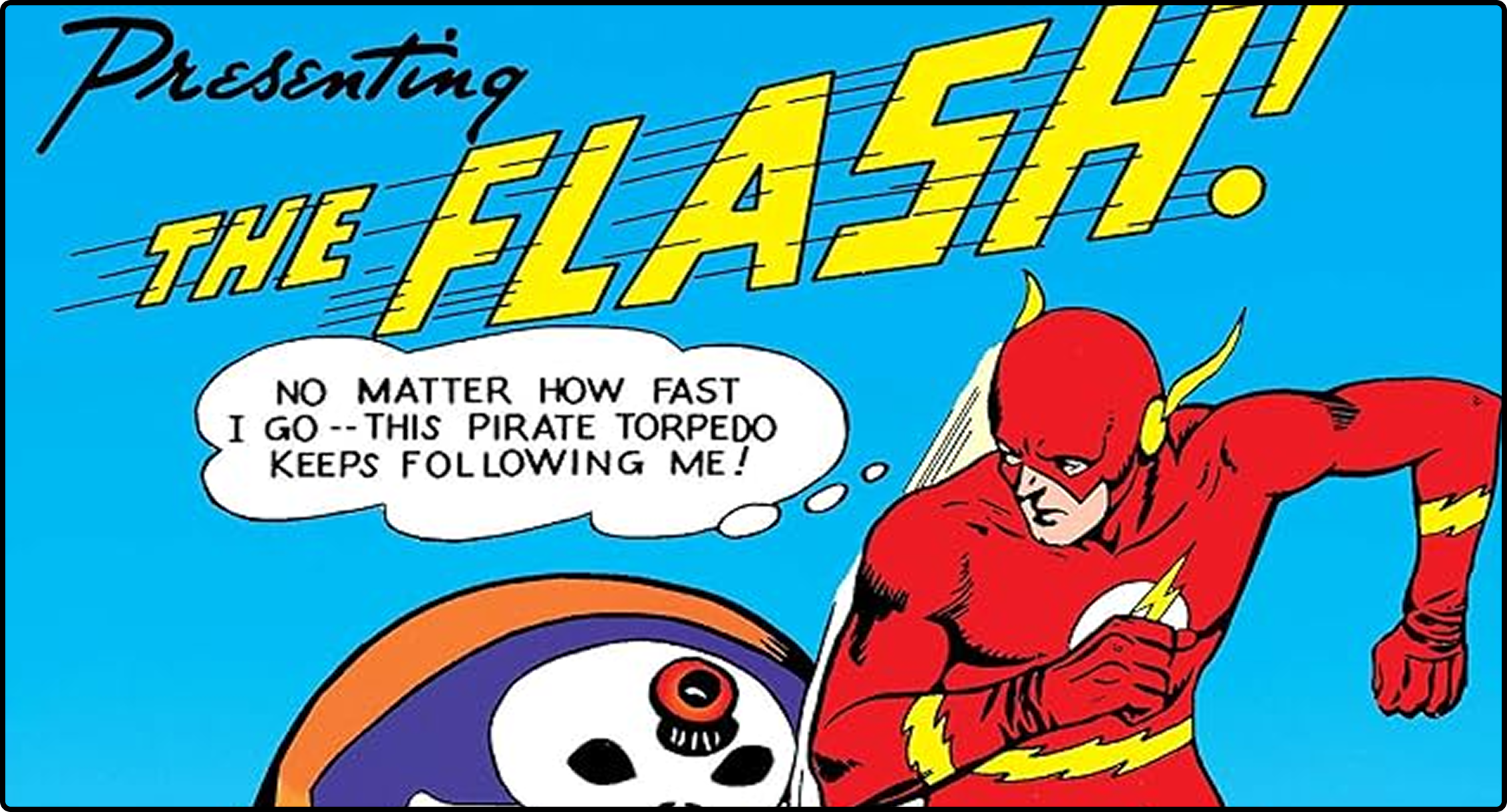
Sometimes one sale is big enough to make a headline. Sometimes one sale is big enough to change the whole dataset.
During the September 8–21 reporting period, Showcase #13 CGC 9.6 sold for $45,000, making it the biggest individual sale of the fortnight. But what makes that result particularly interesting isn't simply the price. It's what happened to the 1950s market around it.
Across the decade's five highest-selling titles, total sales came to $132,233. Showcase finished comfortably at the top with $66,728, followed by Batman at $23,121.
At first glance, Showcase looks dominant.
It accounted for 50.5% of all sales across the 1950s Top Five titles.
But almost all of that lead can be traced back to one comic.
That $45,000 Showcase #13 represented 67.4% of Showcase's entire $66,728 total for the reporting period. Even more strikingly, that single copy accounted for 34% of all sales across the decade's Top Five titles.
One comic was responsible for more than a third of the money.
One Sale Changed the Leaderboard
Showcase led 1950s sales during the September 8–21 reporting period. Remove the $45,000 Showcase #13 CGC 9.6 sale and Batman moves into first place.
$132,233
Top Five 1950s sales with Showcase #13 included
With Showcase #13
Showcase #1
Showcase generated $66,728 and accounted for 50.5% of the 1950s Top Five sales, putting it comfortably ahead of Batman.
Remove Showcase #13 and the whole picture changes
This is where the sale gets really interesting. Take the $45,000 Showcase #13 out of the numbers, and Showcase falls from $66,728 to $21,728.
Batman remains at $23,121. Suddenly, Batman becomes the highest-selling 1950s title. And remember, Batman was already the decade's most-traded title by volume. So without that one Showcase #13 sale, Batman would have led the 1950s in both volume and sales.
Instead, the published Top of the Stack rankings show a split: Batman was the most traded, while Showcase generated the most money.
One transaction created that entire difference.
The effect becomes even clearer when you look at the decade as a whole. Remove Showcase #13 and the combined Top Five sales total drops from $132,233 to $87,233.
Showcase's share falls from 50.5% to approximately 24.9%.
Batman moves to approximately 26.5%.
What initially looked like an extraordinarily concentrated market suddenly becomes a fairly tight contest between several titles. That's why this sale is more interesting than simply saying a CGC 9.6 sold for $45,000. It changed what the decade looked like.
A $45,000 sale can mean very different things depending on where it lands
Across a multimillion-dollar fortnight, $45,000 is noticeable but hardly market-defining. Drop that same sale into a much smaller slice of the market, however, and its influence becomes enormous.
Inside the 1950s Top Five, it accounted for roughly one dollar in every three. Inside Showcase's own total, it accounted for roughly two dollars in every three. That distinction matters when reading market rankings.
The top title isn't always there because it had the broadest collector activity. Sometimes a small number of expensive books can push a title well ahead of competitors moving far more copies at lower prices.
This fortnight gives us an almost perfect example.
Batman had the broader trading activity.
Showcase had the larger dollar total.
And Showcase #13 was the reason why.
But this wasn't some random 1950s comic suddenly producing an outsized result. Showcase #13 has its own place in the formative history of the Silver Age Flash.
Before The Flash had his own book
Barry Allen's Flash debuted in Showcase #4 in 1956, the issue widely associated with the beginning of DC's Silver Age superhero revival. Before Barry received his own ongoing series, DC continued to feature him in Showcase, including issues #8, #13 and #14. His regular series then began with The Flash #105, which went on sale in December 1958 with a February–March 1959 cover date. DC's own Silver Age collection groups Showcase #4, #8 and #13–14 together with the beginning of The Flash series as part of these foundational Barry Allen stories.
That puts Showcase #13 in an interesting position. It isn't Barry Allen's first appearance. Showcase #4 owns that distinction. It isn't the first issue of his solo title either.
Instead, it comes from that short period in between, when the new Flash had been introduced, returned for further Showcase appearances, and was moving toward becoming a permanent DC character with his own title.
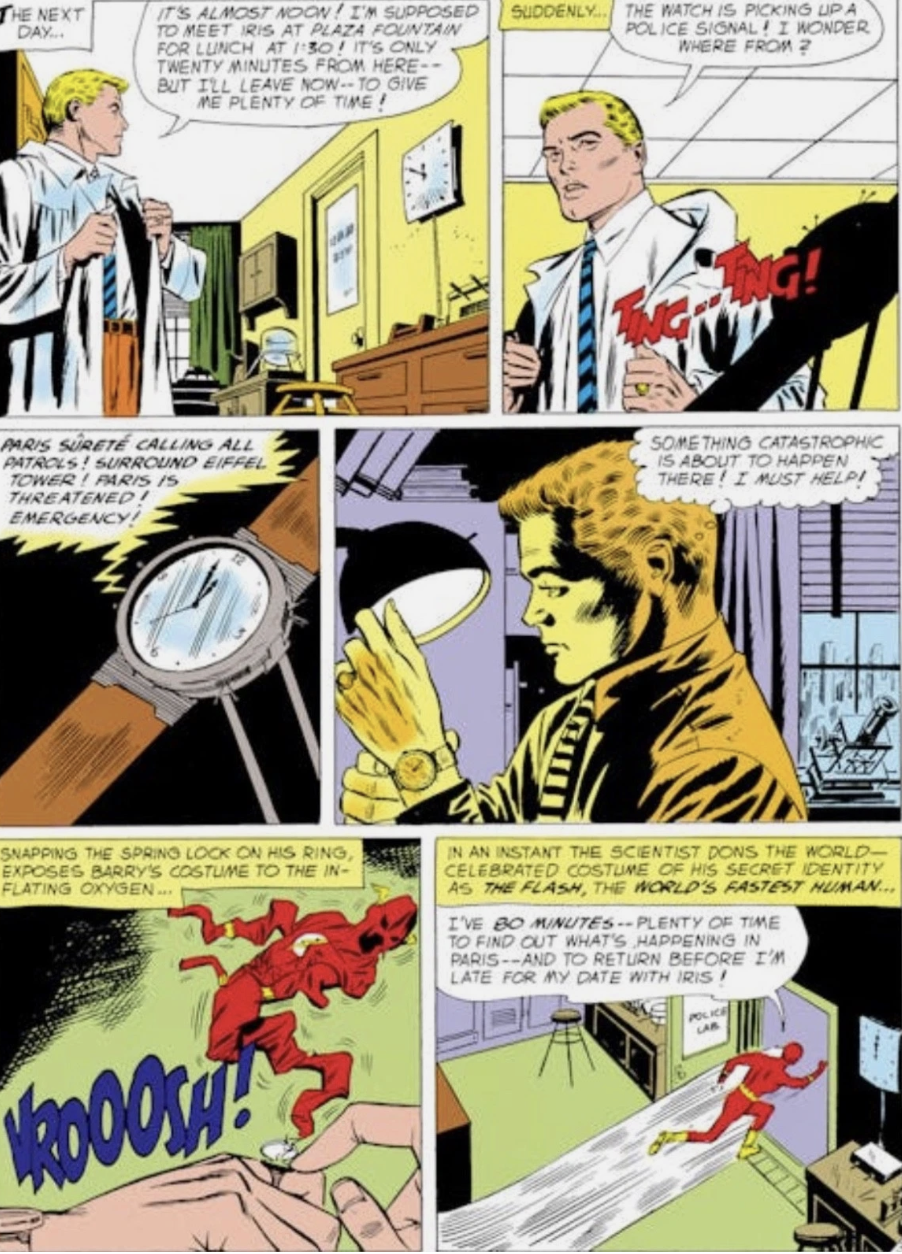
Showcase #13 carries a March–April 1958 cover date and went on sale on January 19, 1958. The issue features two Flash stories, both drawn by Carmine Infantino, whose artwork became central to the visual identity of Barry Allen's early adventures.
The issue also includes another reason collectors pay attention to it.
The first Mr Element
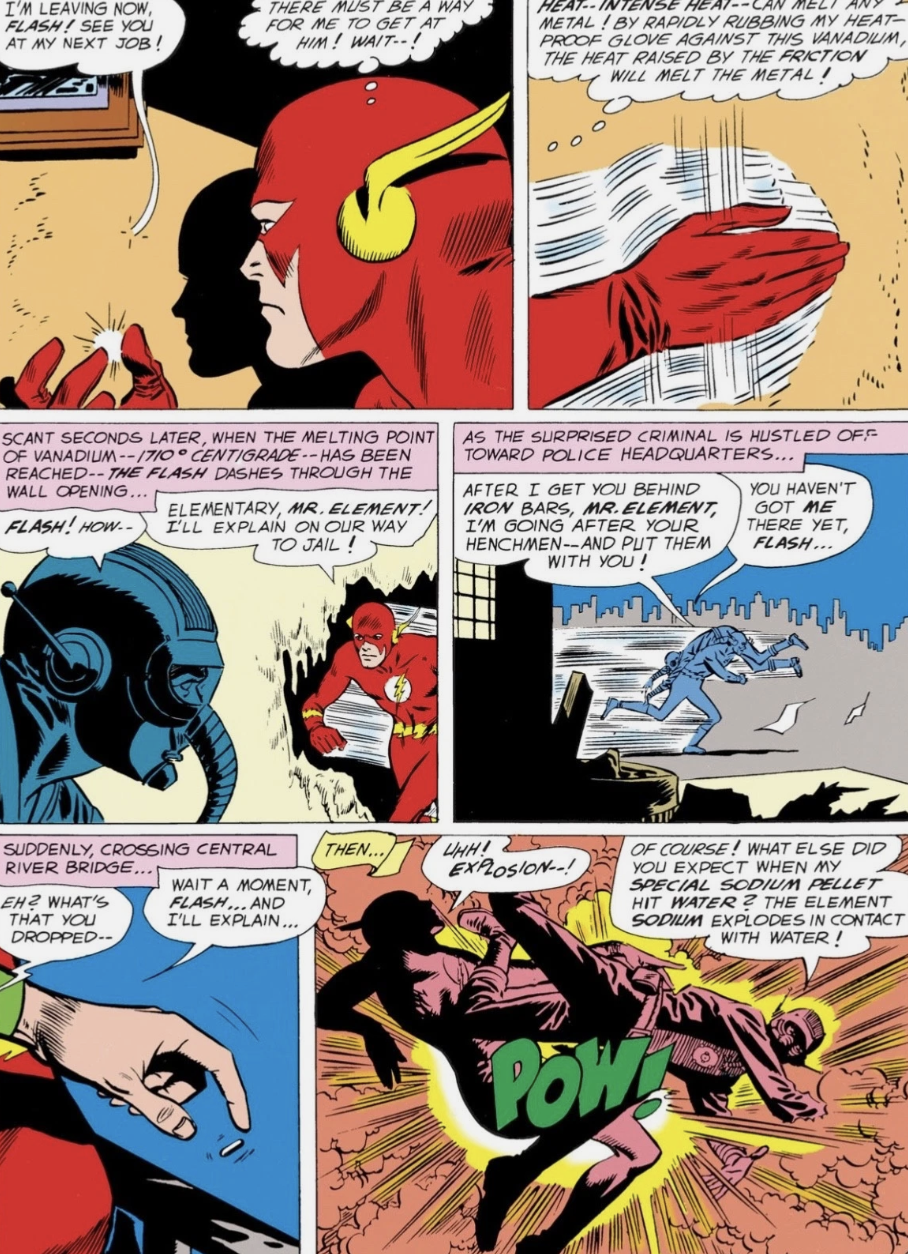
The second story in Showcase #13, “Master of the Elements!”, was written by John Broome, pencilled by Carmine Infantino and inked by Frank Giacoia. It introduces Albert Desmond as Mr Element, including his origin. The character would later become better known as Doctor Alchemy, one of the recurring villains associated with the Flash.
DC still identifies Albert Desmond as having first appeared as Mr Element in Showcase #13.
That gives the issue significance beyond simply being an early Barry Allen appearance.
It comes from the handful of Showcase issues that helped establish the Silver Age Flash before his ongoing title, while also adding a villain who became part of the character's mythology.
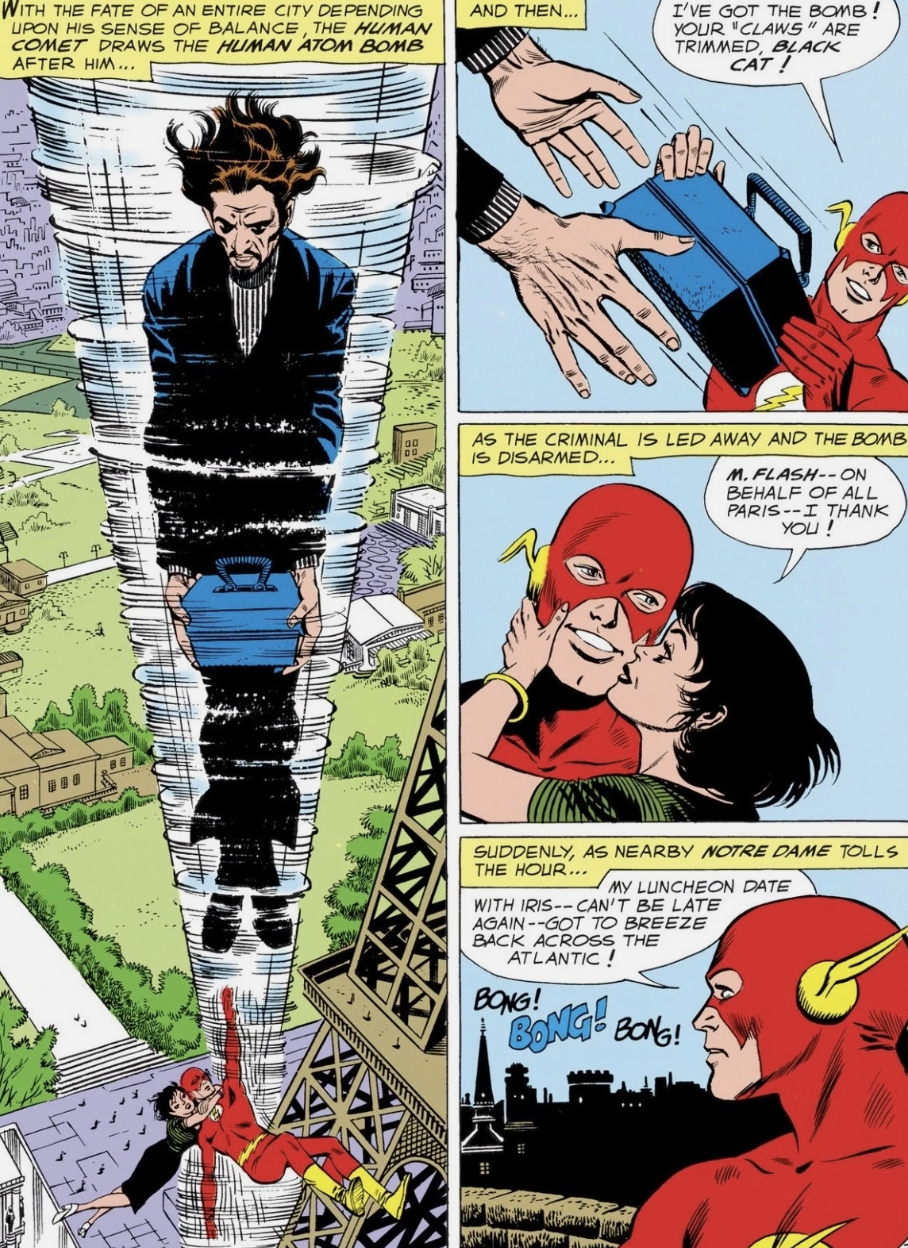
The first story, “Around the World in 80 Minutes!”, sends Barry around the globe stopping crimes while trying to return to Central City in time for a date with Iris West. The second pivots into Mr Element's science-based schemes, eventually sending Flash into space before Barry finds his way back to Earth.
It's very much an early Silver Age Flash comic: science, speed, enormous ideas and a slightly ridiculous sense that almost anything can happen within twelve pages.
Why Showcase #13 matters in this fortnight
The historical importance explains why Showcase #13 belongs on a collector's radar. The data explains why this particular sale deserves a closer look.
The $45,000 result didn't merely add another high-grade Silver Age sale to the market. It turned Showcase into the highest-selling 1950s title. It pushed the title to 50.5% of the decade's Top Five sales.
It created a split between the decade's volume leader and sales leader. And it accounted for 34% of the entire Top Five dollar total by itself. Remove one book and the story changes:
With Showcase #13: Showcase leads the decade with $66,728.
Without Showcase #13: Showcase falls to $21,728, and Batman moves ahead at $23,121.
That's remarkable influence for one transaction. And it demonstrates something worth remembering whenever we look at high-value vintage comics.
A leaderboard tells us where the money went. It doesn't necessarily tell us how it got there. Sometimes the answer is hundreds of collectors buying across a title. Sometimes it's a sustained market across multiple issues. And sometimes it's one exceptional copy of one important comic changing the shape of an entire decade. For the 1950s this fortnight, that comic was Showcase #13.