We all have baggage. Some of us carry debt, trauma, or student loans. Superheroes? They carry all that plus a secret identity, a rogues' gallery, and the constant risk of getting their loved ones kidnapped. No big deal, right?
But how do superheroes — these modern myths in tights — navigate the very human relationships they still cling to under the weight of responsibility? Let's look at a few notable capes and cowls who’ve tried (and often failed) to balance the personal with the super.
Spider-Man: The Original Ghoster
When Peter Parker said, “With great power comes great responsibility,” what he meant was: I’m going to be late for literally everything forever. Aunt May’s doctor appointment? Missed. MJ’s play? Ruined. His own wedding? Called off (and then literally undone by a demon in One More Day, 2007).
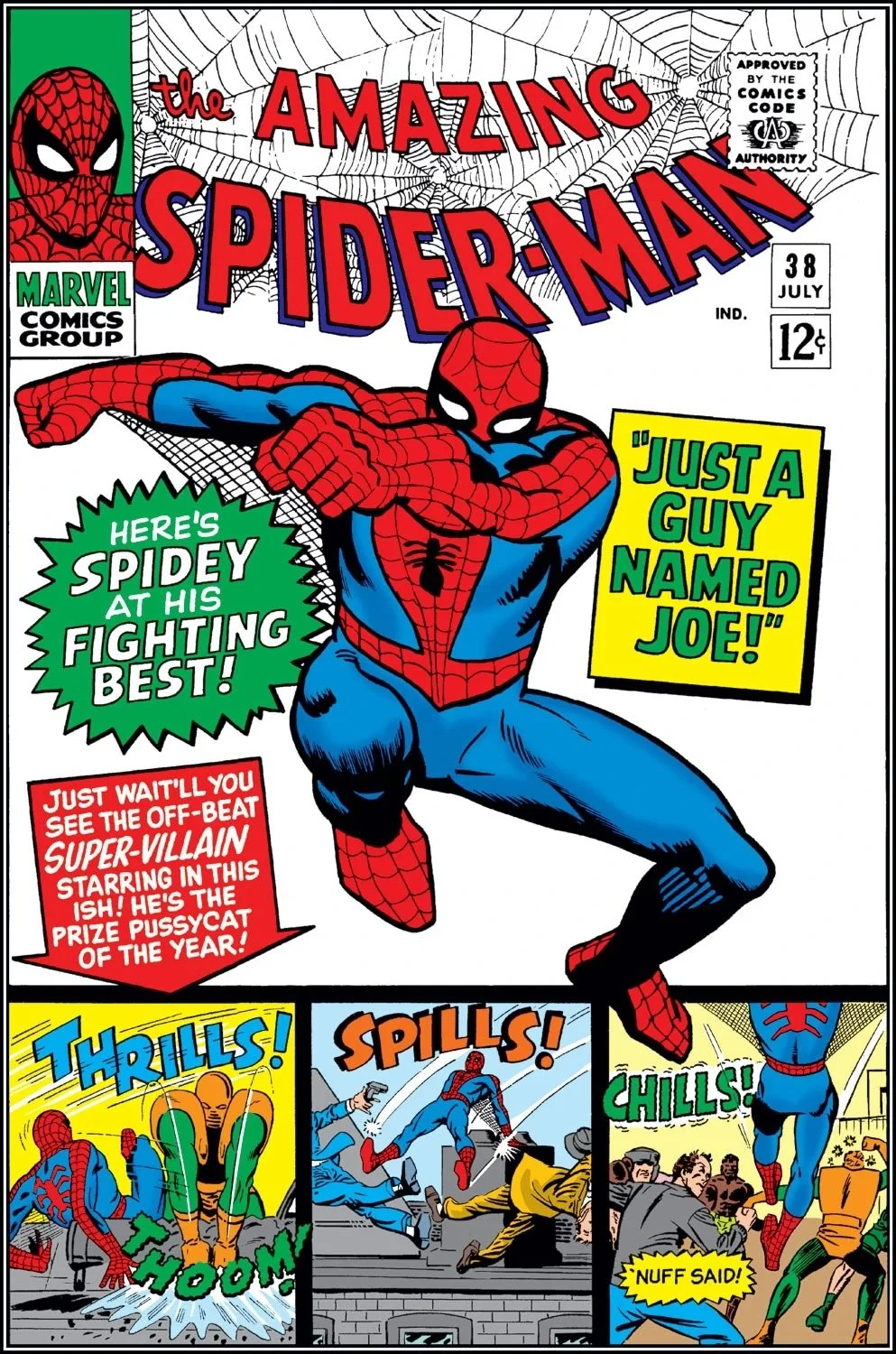
Spider-Man’s story is the gold standard for juggling heroism and personal life — and dropping every ball in the process. Whether it’s keeping his identity secret from Aunt May for decades (finally revealed in Amazing Spider-Man #38, 2001) or putting Mary Jane through a cycle of love, loss, and retcon, Peter’s relationships are casualties of his devotion to responsibility.
And yet, readers love him for it. Why? Because we all know what it’s like to disappoint people we love for the sake of what we think is “the right thing.”
Superman: Truth, Justice, and the In-Laws
Clark Kent is the guy who could juggle planets… but still gets nervous around his mother-in-law. While his powers make him a god among mortals, his relationships — especially with Lois Lane and his adoptive parents — keep him grounded.
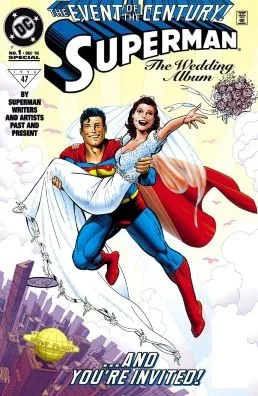
His dynamic with Lois has evolved from slapstick secret-identity hijinks in the 1940s (Action Comics #27) to one of comics’ most enduring adult relationships (Superman: The Wedding Album, 1996). Unlike Spider-Man, Superman often chooses transparency. He tells Lois his secret in Superman #50 (1990), trusting her with his truth.
Then there’s Ma and Pa Kent — the backbone of Clark’s moral compass. Their Midwestern wholesomeness makes Superman feel real. And when DC occasionally kills them off (e.g. The New 52, 2011), fans feel the loss as if we lost our own parents.
Batman: Emotionally Unavailable Since 1939
Bruce Wayne may have more wards than a fantasy novel, but “healthy relationships” is nowhere in his utility belt.
He adopted Dick Grayson (Robin) in Detective Comics #38 (1940), and since then has created a pseudo-family of sidekicks, but his inability to express emotion keeps them at arm’s length. The Bat-Family — including Alfred, Barbara Gordon, Jason Todd, and Damian Wayne — functions like a Thanksgiving dinner where no one makes eye contact.
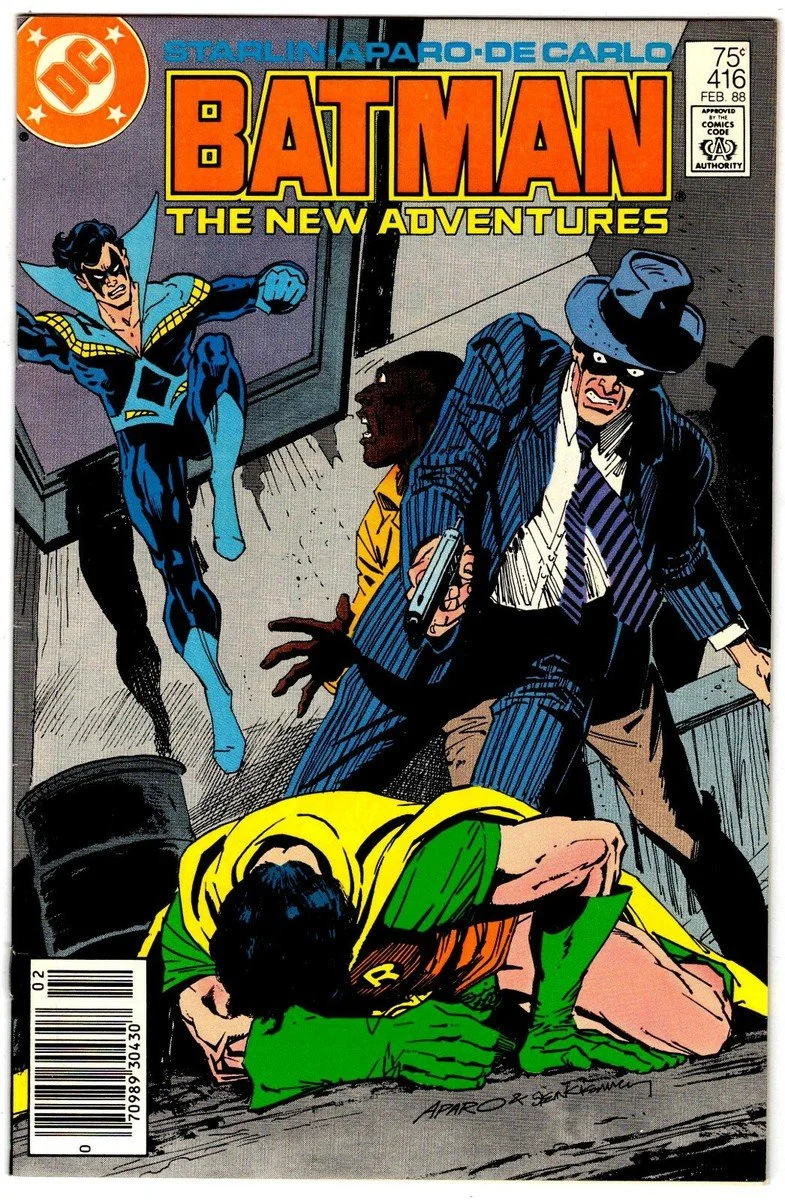
In Batman #416 (1988), Dick confronts Bruce over their estrangement — a rare moment of emotional honesty in Gotham’s cold, cave-lit corners.
The irony? For all his emotional distance, Batman is terrified of losing those close to him. And in true Bat-fashion, this fear leads him to push people away “for their own safety.” Classic self-sabotage. Very on-brand.
The X-Men: Found Family in a World That Hates Them
If Spider-Man is the solo act who keeps missing his dates, and Batman is the closed-off dad, the X-Men are the queer found family living together in a mansion and just trying to survive the week.
Created in 1963 (X-Men #1), the X-Men's defining theme has always been otherness. Their bonds with each other — forged in fire, war, and high school-level drama — are familial because society has rejected them.
Consider Cyclops and Jean Grey’s cosmic soap opera of a relationship. Or Wolverine, the gruff uncle with a heart of adamantium. Or even Magneto, the estranged extremist father figure. In House of X and Powers of X (2019), Jonathan Hickman reframes the mutant community as one massive, interlinked family. Dysfunctional? Sure. But fiercely loyal.
The Tragedy of Trying to Have It All
At the end of the day, superhero stories aren’t just about punching aliens or saving the city. They're about the cost of caring. The tension between the mask and the man.
Heroes try to maintain friendships, raise kids, attend weddings — all while carrying the burden of impossible expectations. And sometimes, they drop the ball. Just like us.
But it’s in those stumbles, those failed conversations and forgotten birthdays, that we see their humanity. And it’s why, even after 80 years of retcons, reboots, and reimaginings, we keep coming back to their stories.
Because no matter how super they are, their relationships are as fragile, complicated, and beautiful as our own.