The Market Held Its Ground Without a Trophy Sale

Source: GPAnalysis.com, sales recorded from July 14–27, 2026.
The comic market does not always need a seven-figure sale to prove it is active.
Between July 14 and July 27, 2026, GPAnalysis tracked 21,030 CGC-graded comics, magazines and pulps sold across major online venues, generating $5,554,308 in total sales. The median price paid was $99.
Compared with fortnights shaped by major Golden Age auction results, this was a quieter period at the top end. The highest individual sale was Amazing Fantasy #15 CGC 5.5, which realised $65,000.
Yet the overall volume barely suggested a market waiting for something to happen. More than 21,000 books still changed hands, showing how much of the certified comic market is sustained by consistent collector activity rather than occasional trophy transactions.
The Market Did Not Need a Million-Dollar Book
The defining feature of this fortnight was what did not happen.
There was no Action Comics #1, Detective Comics #27 or other seven-figure centrepiece lifting the total. Despite that, sales still reached more than $5.5 million, with the number of books sold remaining firmly above 21,000.
That distinction matters.
A major auction result can dramatically alter the apparent size of a reporting period without necessarily reflecting what is happening across the rest of the market. This fortnight offers a cleaner view of its underlying machinery: thousands of collectors buying keys, modern releases, nostalgic favourites and accessible graded books across every decade.
The $99 median price reinforces that point. Even as five-figure books continued to trade, the midpoint of the market remained below $100. The typical sale was not a museum-grade rarity. It was a book within reach of a much broader collector base.

Amazing Spider-Man Remained the Market’s Volume Engine
Once again, Amazing Spider-Man (1963) was the most actively traded title across the entire market.
The series recorded 1,312 sales, generating approximately $600,000 over the fortnight. That works out to more than six per cent of every book included in the dataset.
Its dominance was also visible across individual decades.
Amazing Spider-Man led the 1960s, 1970s and 1980s by both volume and title sales. Across those three decades alone, its Top Five sales figures totalled more than $558,000.
The issues driving that activity were equally familiar:
Amazing Spider-Man #50
Amazing Spider-Man #20
Amazing Spider-Man #129
Amazing Spider-Man #300
Amazing Spider-Man #252
This is not a demand built around a single book or a single collecting generation. It stretches from Silver Age villain introductions and Bronze Age first appearances to Copper Age costume changes and Venom keys.
Amazing Spider-Man continues to behave less like one collectible title and more like a market category of its own.
Amazing Spider-Man Stayed Among the Market Leaders for Seven Decades
Amazing Spider-Man appeared among the five highest-selling comic titles in every decade from the 1960s through the 2020s. It led the market across the 1960s, 1970s and 1980s, before continuing to rank among each decade’s strongest sellers for another four decades.
The Silver Age Generated the Most Top-Five Sales
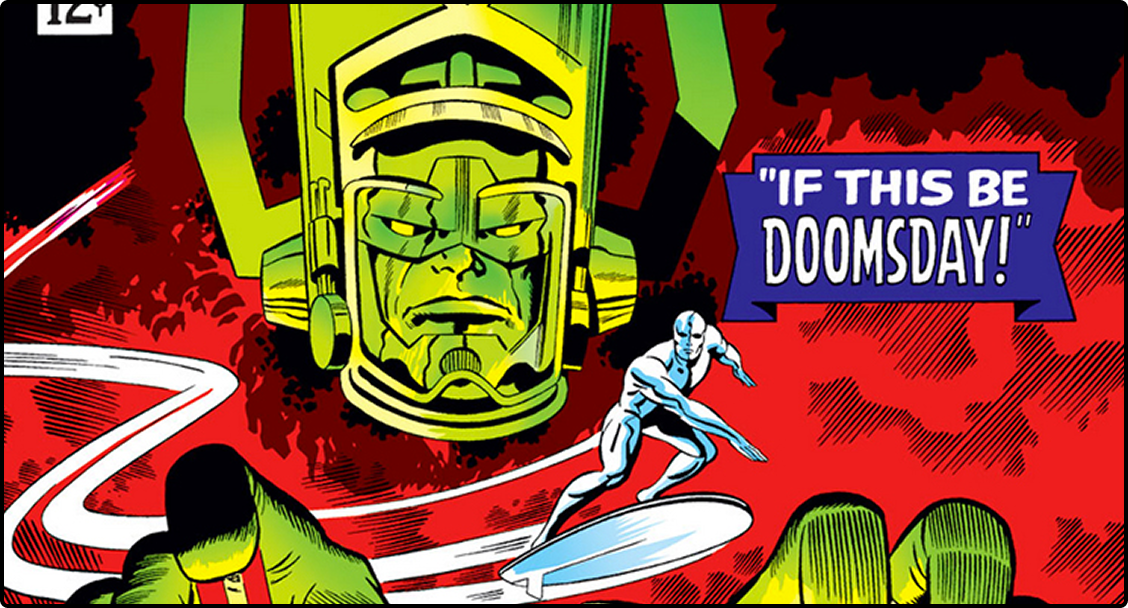
When the Top Five title sales from each decade are grouped by era, the Silver Age led with $834,507.
That was more than double the combined Top Five total of the 1930s, 1940s and 1950s, which reached $361,702.
The Silver Age result was not dependent on one title alone. Its leading five were:
The Silver Age Was More Than Spider-Man
The Silver Age generated $834,507 across its five highest-selling titles during the July 14–27, 2026 reporting period. Amazing Spider-Man led the decade, but strong and closely matched results from Amazing Fantasy, X-Men and Fantastic Four show that demand was spread across several major franchises.
Only $311 separated X-Men and Fantastic Four, showing how evenly demand was distributed beneath Amazing Spider-Man.
This is one of the Silver Age’s greatest market strengths. It is not reliant on a single franchise or one generational touchpoint. Spider-Man, the X-Men, the Fantastic Four and the Hulk all have deep collector bases, widely recognised keys and decades of cultural relevance behind them.
Even in a fortnight without a major Silver Age trophy sale, those titles collectively created the strongest decade-level result.
The 2020s Outperformed Every Golden Age Decade
One of the more striking outcomes came from the newest books in the dataset.
The Top Five sales titles from the 2020s generated $294,440, making it the second-highest individual decade behind the 1960s. That total exceeded the 1930s, 1940s and 1950s individually and was more than double the result of the 1990s.
The driving force was Absolute Batman, which generated $206,547 and led the decade by both volume and sales.
The title accounted for roughly 70 per cent of the 2020s Top Five total before the separate Absolute Batman Ashcan result was included. Together, the main title and ashcan produced almost $245,000.
That is an extraordinary concentration of modern demand.
However, the decade also demonstrates how different the current market is from earlier eras. Its charts included ashcans, custom editions, cover galleries and specialist publications alongside standard ongoing comics.
Modern collecting is no longer driven solely by first appearances or low-print independent launches. Format, scarcity, variant identity and distribution method can all create meaningful secondary-market demand almost immediately.
What Kept the Market Moving
The July 14–27, 2026 market was sustained by demand across several collecting eras rather than one trophy sale. Silver Age superheroes generated the largest Top Five total, while familiar Bronze Age keys, modern breakouts and vintage horror all contributed meaningful sales.
Pre-Code Horror Continued to Command Real Money
The 1950s delivered one of the clearest examples of the difference between activity and spending.
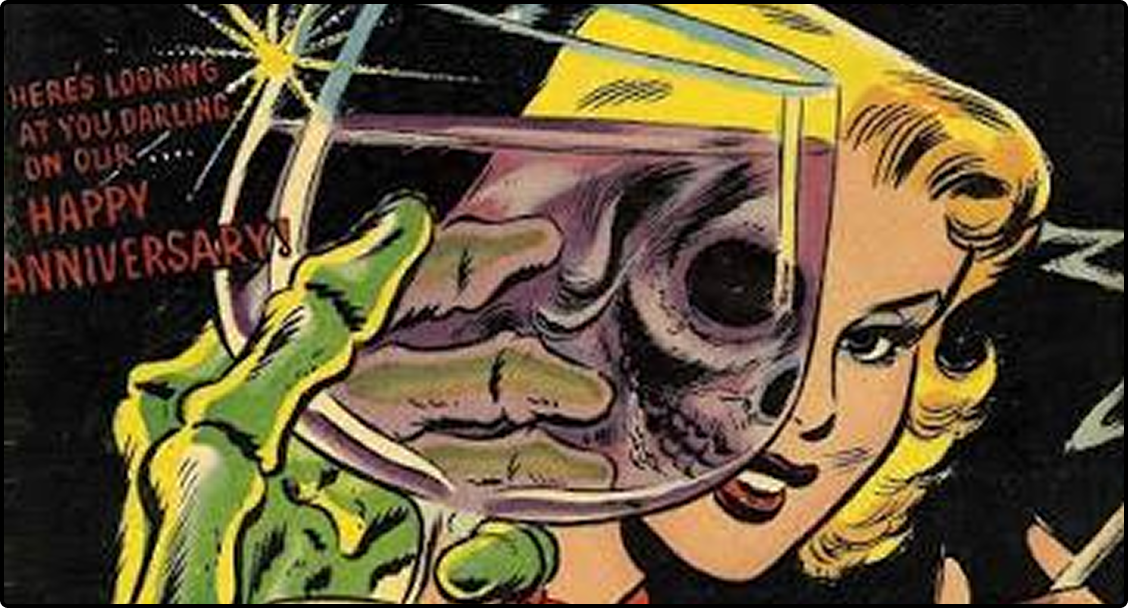
Batman was the most traded title from the decade, but Chamber of Chills generated the most sales at $47,000. It was followed by The Thing! at $39,613, while Strange Suspense Stories and This Magazine Is Haunted also appeared among the decade’s Top Five.
Four of the five sales leaders were rooted in horror or suspense.
This remains one of the most dependable patterns in the vintage market. Pre-Code horror books may not trade with the frequency of major superhero titles, but desirable copies can generate substantial results when they appear.
Collectors are often buying these books for reasons beyond character continuity. Covers, artists, publishers, scarcity and the broader history of censorship all contribute to demand.
The result is a category where relatively low volume can still translate into meaningful sales.
Volume and Sales Told the Same Story in Seven Decades

In seven of the ten decades, the title that sold the most copies also generated the highest total sales.
Those decades were:
1940s: Batman
1960s: Amazing Spider-Man
1970s: Amazing Spider-Man
1980s: Amazing Spider-Man
2000s: Invincible
2010s: Invincible
2020s: Absolute Batman
That level of alignment suggests that collector activity was not always concentrated in low-value copies. In many parts of the market, the titles moving most frequently were also attracting the greatest amount of money.
The three exceptions reveal a different dynamic:
In the 1930s, Shadow led volume while Marvel Mystery Comics led sales.
In the 1950s, Batman led volume while Chamber of Chills led sales.
In the 1990s, Spider-Man led volume while New Mutants led sales.
These gaps usually appear when a widely available title generates steady trading activity, while a smaller number of more valuable books pushes another title to the top of the sales chart.
Volume shows where collectors are most active. Sales show where the money is concentrated. The two measures often overlap, but they do not describe exactly the same market.
The 1990s Remained a Market of Recognition
The 1990s volume chart was once again filled with instantly recognisable books:
Spider-Man #1
X-Men #1
Ghost Rider #1
Spawn #1
Amazing Spider-Man #361
These are among the most visible and heavily distributed comics of the period. Many were produced during the height of the comic-shop boom, yet they continue to circulate actively because collectors recognise them immediately.
Their appeal is built around iconic covers, major characters, nostalgia and accessibility.
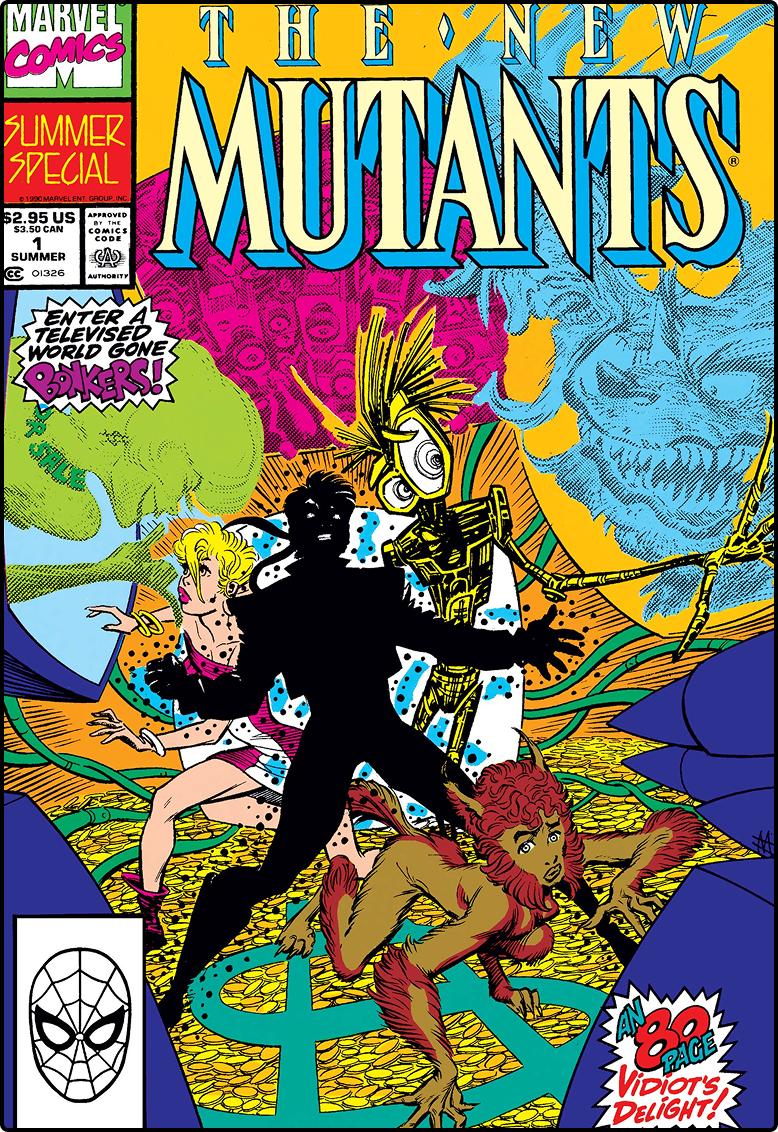
The sales chart, however, was led by New Mutants, which generated $36,452. This was likely driven by continued demand across the series for books connected with Deadpool and other key characters.
The decade therefore continues to operate through two overlapping collector behaviours: high-volume nostalgia for familiar books and more concentrated spending around specific keys.
Invincible Continued to Control the 2000s
Invincible led the 2000s by both volume and sales, generating $87,184.
That was more than eight times the sales total of Amazing Spider-Man, which ranked second at $10,179.
The scale of the gap is significant. While Batman, Spider-Man, Spawn, and The Walking Dead all remained present, Invincible operated in a different tier during the reporting period.
Its strength also extended into the 2010s data, where it again led both volume and sales.
Because titles are grouped according to the publication year of the individual books sold, a long-running series can influence more than one decade. In Invincible’s case, that gives the market a view of sustained demand across different parts of its run rather than interest being concentrated solely around its first issue.
The series remains one of the clearest examples of a creator-owned comic graduating into a major established collecting category.
Invincible Was in a League of Its Own
Invincible generated $87,184 in title sales across books published during the 2000s, more than eight times the $10,179 recorded by second-placed Amazing Spider-Man. Batman, The Walking Dead and Spawn followed well behind, showing how decisively Invincible controlled the decade during the July 14–27, 2026 reporting period.
Familiar Keys Continued to Anchor the Bronze and Copper Ages
The 1970s and 1980s were driven by books collectors know well.
The most traded issues from the 1970s included:
Amazing Spider-Man #129
Marvel Spotlight #5
Nova #1
Star Wars #1
Ghost Rider #1
The 1980s followed with:
Amazing Spider-Man #300
Secret Wars #8
Wolverine Limited Series #1
Amazing Spider-Man #252
Wolverine #1
There was little novelty in these lists, but that is part of their strength.
These books sit at the intersection of character importance, cover recognition, first appearances and long-established collector demand. They are liquid enough to trade regularly but important enough to retain meaningful value across a wide range of grades.
In a period without blockbuster auctions, dependable keys like these helped keep the market active.
Final Panel
The latest fortnight was not defined by one extraordinary sale.
Instead, it showed a market continuing to function across thousands of individual decisions: a Silver Age key purchased here, a modern variant there, a nostalgic 1990s book changing hands, or a Pre-Code horror issue finding its next collection.
That activity produced $5.55 million in sales from 21,030 books, while the median remained at $99.
The top end matters. Trophy books attract attention, establish benchmarks and can transform the value of a reporting period. But they are only one part of the market.
This fortnight showed what remains when those headline sales are removed: a deep, active collector base trading across nearly a century of comic history.
The result may have been quieter, but it was far from weak.