What This Fortnight’s CGC Comic Sales Tell Us About the Market

Star Wars headlines, Spider-Man grinds, and modern books keep moving fast
Source: GPAnalysis.com, sales recorded from April 21 to May 4, 2026.
The latest fortnight of CGC comic sales gave us one of those market snapshots where several different collector behaviours showed up at once.
At the top end, a major pop-culture key reminded everyone that big money still chases the right book in the right grade. In the middle, Silver and Bronze Age Marvel continued to provide the market’s dependable backbone. At the newer end, modern books showed just how quickly collector attention can gather around current titles, cover heat and fast-moving demand.
Across April 21 to May 4, 2026, GPAnalysis reported $6.0M in sales from 21,316 individual CGC-graded comics, magazines and pulps. The median price came in at $94, suggesting the market is still being driven by regular slab movement, not just headline sales.
But the headline sale certainly helped.
🚀 Star Wars Takes the Headline Sale
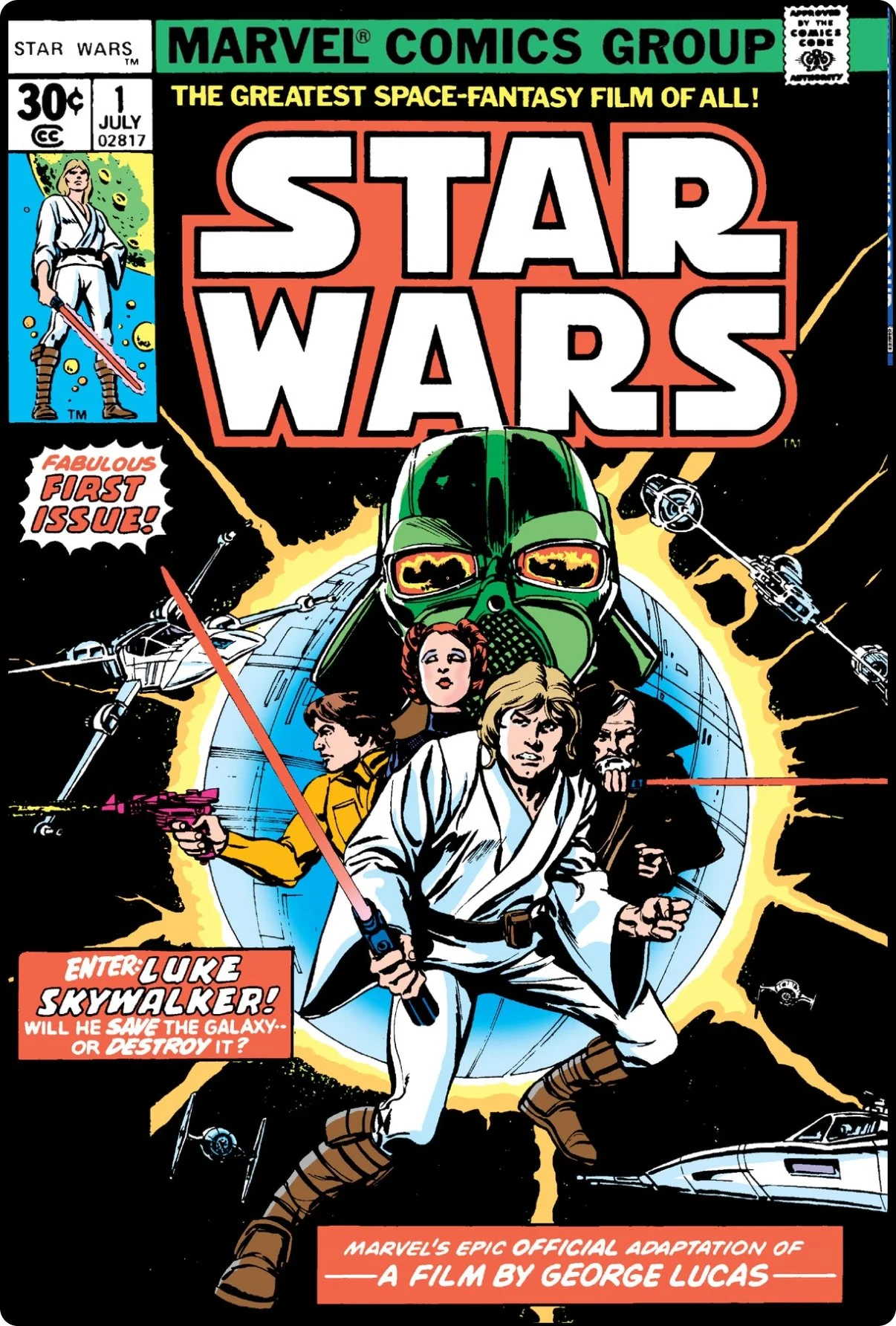
The fortnight’s biggest moment came from Star Wars #1 CGC 9.6, which closed at $162,500. That is not just a strong 1970s sale. It is a reminder that the comic market still responds sharply when a major pop-culture franchise meets a high-grade, historically important issue.
Star Wars #1 was also the most traded issue of the 1970s, giving it both dollar weight and volume presence. That combination matters. Some books produce a headline sale but little broader movement. This one showed up across the data, making Star Wars the clearest story of the fortnight.
It also shows why franchise gravity still matters. Star Wars is not just a comic title. It is a cultural machine with decades of visibility. When a key issue from that world appears in high grade, collectors immediately recognise what they are looking at.
That kind of instant recognition can still move the market.
🕷️ Amazing Spider-Man Remains the Market’s Volume Engine
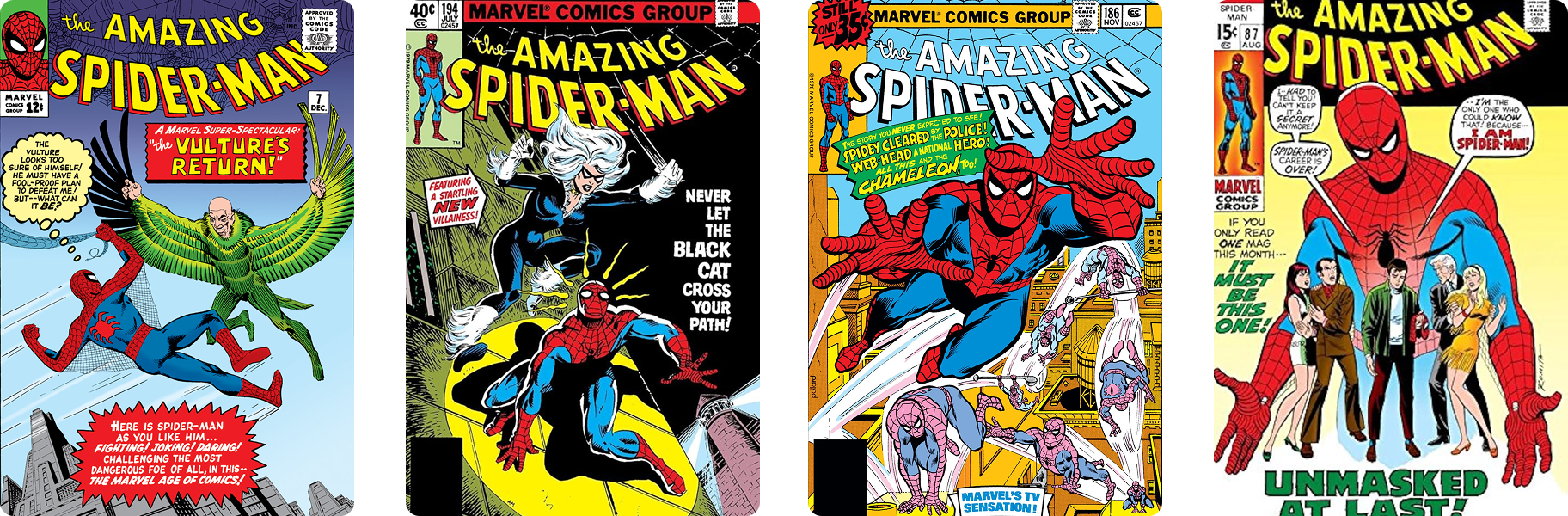
Once again, Amazing Spider-Man, The (1963) led all titles by volume, with 1,332 books sold and $0.6M in total sales. It also ranked first by volume in the 1960s, 1970s and 1980s, while appearing across multiple later decades through modern Spider-Man titles.
This is the recurring Spider-Man pattern. The title does not need a single massive sale to dominate. It wins through repetition. Key issues, minor keys, entry-level slabs, Bronze Age staples, black suit moments, Venom, Punisher, and Silver Age classics all keep the title moving.
That is what makes Spider-Man so important to the graded market. It is not just a trophy-book category. It is a full ecosystem. Collectors can enter at different price points, chase different eras, follow different characters and still remain inside the same collecting lane.
In a market where some titles spike and vanish, Amazing Spider-Man continues to grind.
🧱 The Silver Age Still Carries the Centre
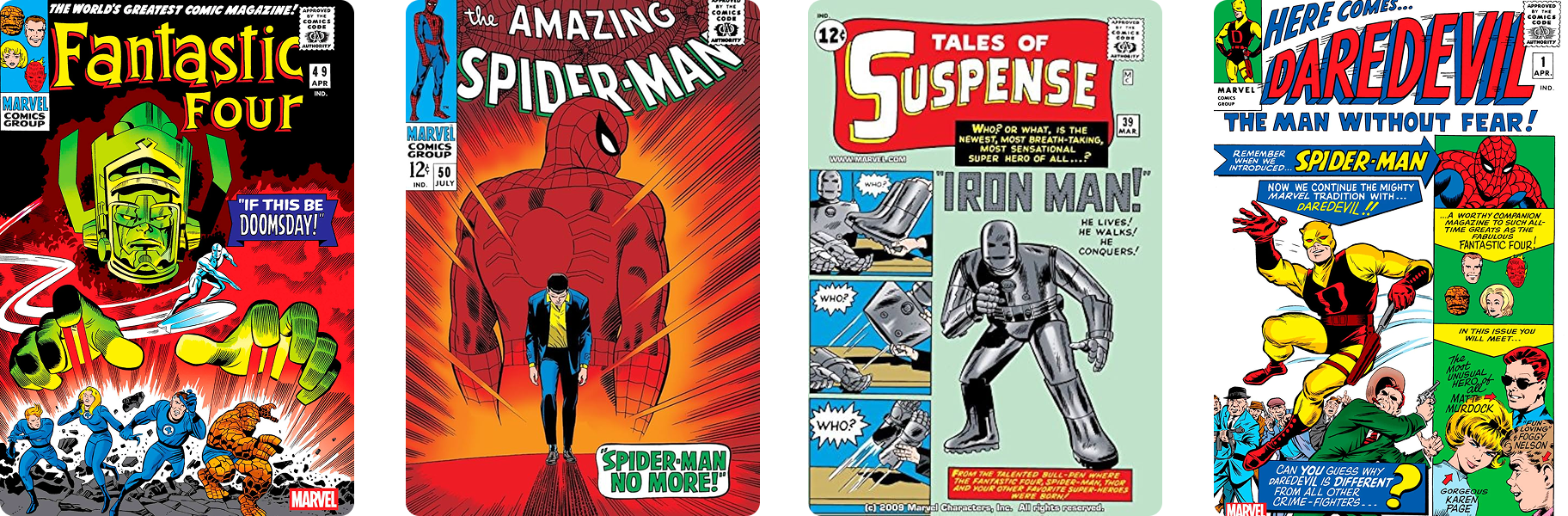
The 1960s remained one of the strongest periods in the market, with Amazing Spider-Man, Fantastic Four, X-Men, Journey Into Mystery, and Amazing Fantasy all appearing on the top-selling list.
The most traded 1960s issues also tell a familiar story: Daredevil #1, Iron Man #1, Amazing Spider-Man #50, Fantastic Four #49 and Fantastic Four #52. That is a deep bench of first appearances, character-defining moments and major Marvel mythology.
The Silver Age continues to function as the market’s core infrastructure. These are not just books that collectors recognise. They are book collectors who represent the wider hobby. When Silver Age Marvel remains active, it gives the market a sense of structure.
It is not always the flashiest part of the fortnight, but it is often the part that tells you whether confidence is still there.
🟨 Bronze Age Power Came From Icons
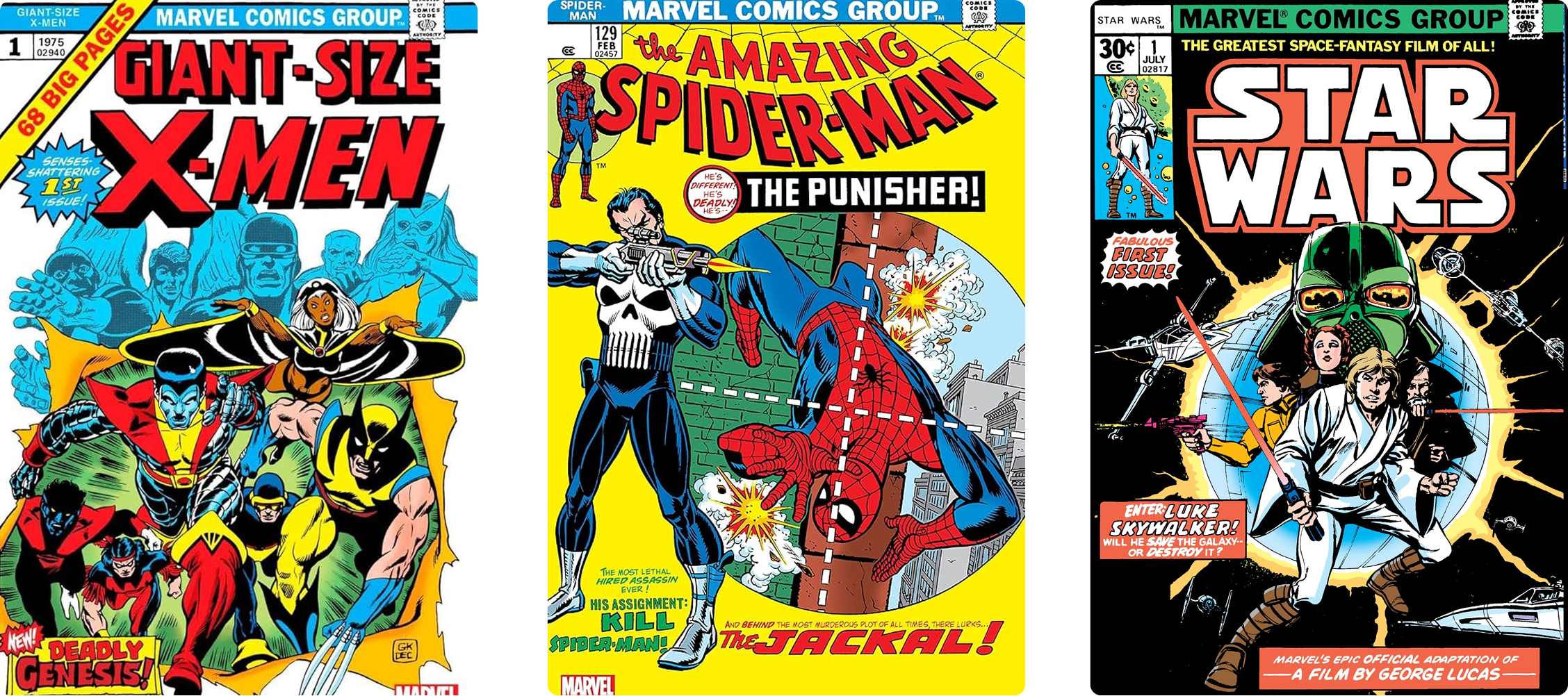
The 1970s had one of the strongest narrative weeks, led by Star Wars #1, Amazing Spider-Man #129, Giant-Size X-Men #1, Amazing Spider-Man #194 and Incredible Hulk #181.
That is a loaded group. Star Wars, Punisher, the new X-Men, Black Cat, and Wolverine all appeared on the most-traded list. The Bronze Age remains highly responsive when culturally durable characters are involved, especially when those books are easy for collectors to understand and compare.
This is where Bronze Age strength often comes from. The era has big characters, accessible narratives and enough supply to keep trading active across multiple grades. It can drive headline sales, but it can also drive steady repeat business.
This fortnight, it did both.
🦇 Absolute Batman Keeps the 2020s Hot

The 2020s continued to show a very different kind of market behaviour. Absolute Batman (2024) led the decade by both volume and sales, generating $119,246 and taking the top two most traded issue slots with Absolute Batman #1 and Absolute Batman #15.
This is the newer-market speed pattern. The 2020s are driven by momentum, cover interest, quick visibility and current collector attention. Titles like Mark Spears Monsters, Bangers Cover Gallery, Fantasy of Cosplay Comic Cover Gallery and Multiverse Saga show how much modern trading activity can cluster around recent books, variants and fast-moving visual appeal.
That does not mean every hot modern book has long-term staying power. It means the 2020s behave differently from older eras. Collector attention moves quickly, and when it gathers, volume can follow fast.
The question is not just ‘what sold?’ It is ‘how long can the attention last?’
🧟 Invincible Still Has Modern Heat

The 2000s were dominated by Invincible (2003), which led both volume and sales for the decade with $103,879. It also remained strong in the 2010s list, where Invincible again led sales with $30,566.
That cross-decade presence shows how newer canon can behave more like an established blue-chip property as its audience matures. Invincible is no longer just a modern hot book. It has become one of the most consistent performers in the graded market since the 2000s.
That matters because modern collectors often need proof. Hype can create a short-term rush, but repeat performance builds a stronger case. Invincible keeps appearing in the data, and that repetition is starting to look less like a spike and more like a pattern.
Final Takeaway
This fortnight’s data showed a market moving on several tracks at once.
At the top, Star Wars #1 CGC 9.6 delivered the headline with a $162,500 sale. In the engine room, Amazing Spider-Man continued to drive volume across decades. The Silver Age held the centre with major Marvel foundations, while the Bronze Age flexed through some of the most recognisable keys in the hobby.
At the newer end, Absolute Batman showed how quickly modern books can dominate when attention locks in, while Invincible continued to prove it has moved beyond short-term heat.
That is the shape of the current graded comic market: big iconic moments at the top, deep repeat trading through the middle, and a modern segment still moving at speed.