When the Weird Stuff Wins

What oddball sales reveal about the edges of the comic market?
The comic market likes to present itself as orderly. Golden Age keys. Silver Age Marvel. Bronze Age first appearances. Copper Age heat. Modern variants. It all sounds neat when laid out in a row, as if the hobby follows a fixed hierarchy that everyone understands. Certain books are supposed to lead. Certain characters are supposed to dominate. Certain eras are supposed to carry the weight. And then something strange shows up and elbows its way into the data.
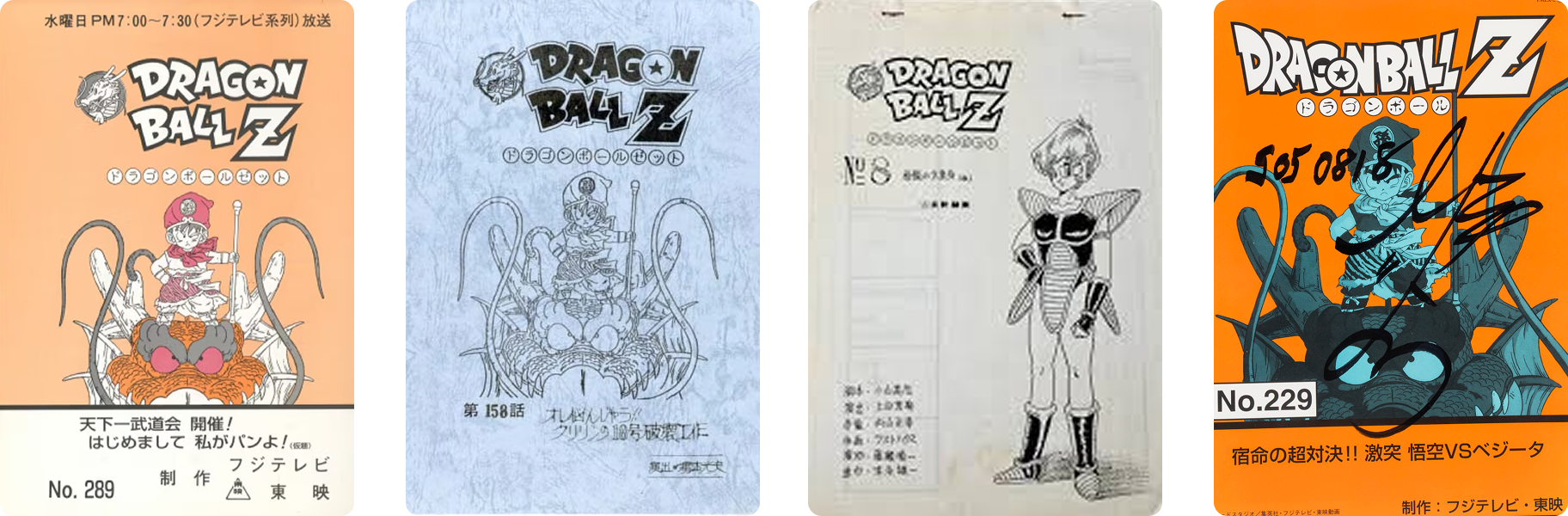
That happened again in the latest Top of the Stack fortnight, where the 1990s sales chart was led not by a familiar comic title, but by Dragon Ball Z Television Episode Script, which posted $62,500 in sales. In a decade full of recognisable comic-market staples like Spider-Man #1, X-Men #1, Spawn #1, New Mutants #98, and Batman Adventures, it was not a conventional comic run that topped the dollar table. It was something adjacent, unusual, and impossible to ignore.
That kind of result is easy to dismiss as a curiosity. But it is often more revealing than it first appears.
Because when the weird stuff wins, the market is telling you something.
Collectors Do Not Stay in Their Lanes
One of the oldest habits in hobby analysis is treating categories as if they are sealed off from one another. Comics sit here. Original art sits there. Scripts, pulps, magazines, promotional material, and oddball artefacts belong somewhere else. That distinction can be useful for organising a database, but it does not always reflect how collectors actually behave.
Collectors are rarely as tidy as market categories suggest.
They drift across formats. They follow characters, memories, creators, aesthetics, franchises, and personal obsessions. A buyer who loves superhero keys may also want animation material. A manga or anime fan may move into collecting items related to comics. A nostalgia-driven collector may care less about category purity than about emotional pull.
That is where unusual sales become interesting. They expose the hobby’s softer borders. They show that value does not always stay trapped inside the cleanest labels.
The market may have traditional pillars, but collector appetite is often messier.
Nostalgia Does Not Need Permission
A sale like Dragon Ball Z Television Episode Script landing at the top of the 1990s sales table says a lot about what drives demand now. It is not just a rarity. It is not just superhero canon. It is not just first appearances or established issue runs.
It is memory.
For many collectors, the 1990s were not experienced as a single lane. They were a blur of comics, cartoons, trading cards, games, VHS tapes, magazines, toys, and franchise worlds that all fed into the same imagination. The emotional architecture of collecting does not always separate those things cleanly after the fact.
That matters because nostalgia has matured. It is no longer a side force in the market. It is one of the engines.
And nostalgia rarely behaves politely. It does not wait for traditional gatekeepers to decide what counts. It simply follows attachment. If an object carries the right charge, the market finds a way to price that feeling in.
That is why weird material can suddenly punch above its expected class. It may not fit the old comic-market script, but it can still fit the collector’s internal one.
The Market Rewards Cultural Weight, Not Just Category Weight
There is a tendency to think that unusual results are random. Sometimes they are. But often they point to something more durable: the market’s willingness to reward cultural significance wherever it appears.
That is what makes comic-adjacent material worth watching.
A strange sale can reflect crossover fandom. It can reflect the long tail of a franchise that grew bigger than its original format. It can reflect the simple truth that collectors do not only chase what is historically important to comics. They also chase what is historically important to them.
That distinction is crucial.
Traditional comic keys derive their value from a mix of scarcity, age, first appearances, condition rarity, and established mythology. Oddball material often works differently. It can pull its strength from association, pop-culture penetration, novelty, or the feeling that it captures a piece of a larger phenomenon in a way standard issues do not.
When that happens, the sale is not always an accident. It is evidence that cultural gravity has its own pricing power.
What the Dragon Ball Z Television Script Actually Was
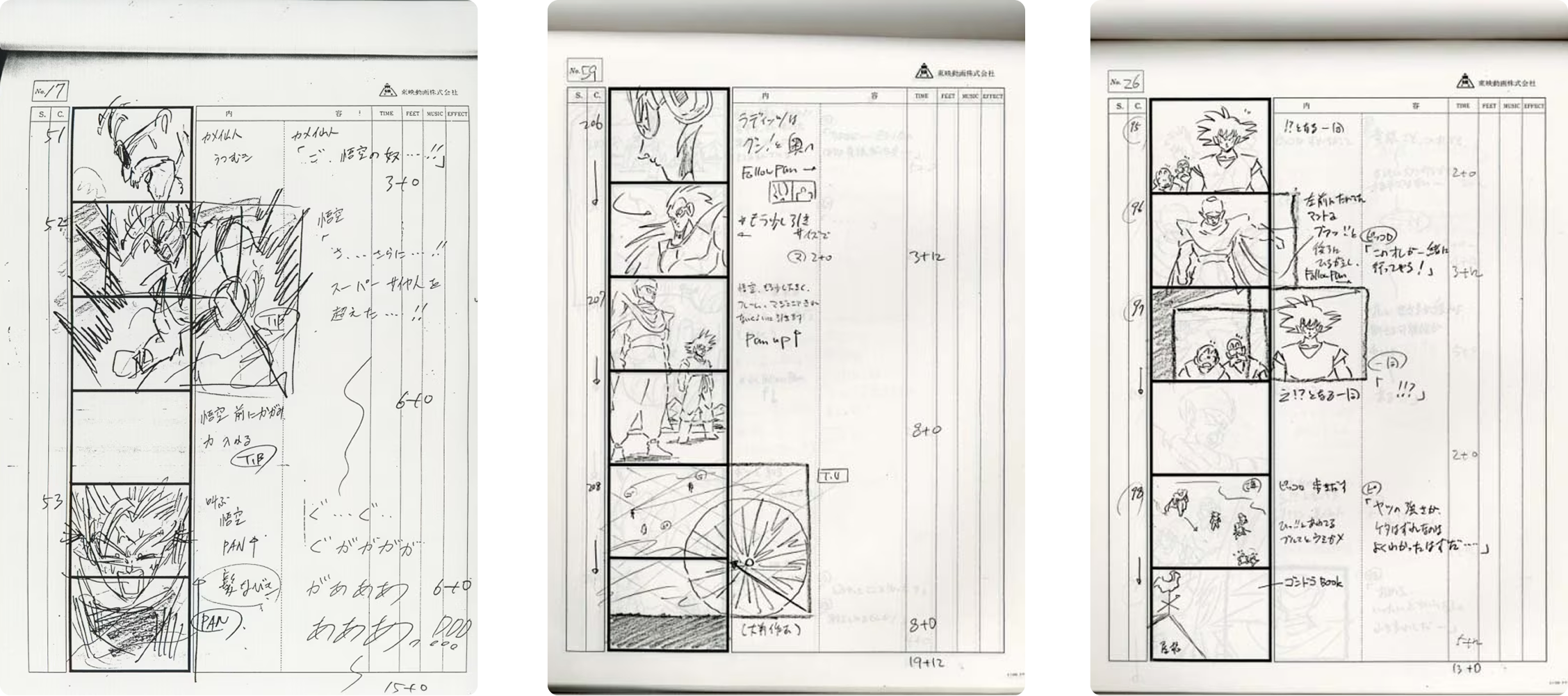
The Dragon Ball Z item was a television episode production script, not a standard comic issue. Published by Toei Co. in Japan, these are original anime working scripts tied to specific episodes from the series’ early run. CGC’s census lists them as individually numbered episode scripts, featuring examples such as Nappa and Vegeta’s Planet Arlia sequence. That makes the piece closer to a production artefact from the making of Dragon Ball Z than a conventional comic collectible.
Weird Results Keep the Market Honest
There is another reason strange sales matter. They keep analysts from becoming too comfortable.
It is easy to build a market story around the same names over and over. Spider-Man moves volume. Batman travels well across eras. Silver Age Marvel anchors value. Bronze Age keys keep showing up. All true. All useful. But if that is all you look for, you start missing the edges where the next interesting shift is taking place.
The weird stuff lives on those edges.
It can signal a new collector overlap. It can reveal where adjacent hobbies are feeding into comic-style demand. It can show that the audience for slabs, certified memorabilia, or franchise collectibles is broader than the old framework assumed. It can also expose how modern collecting is becoming less about strict category loyalty and more about high-affinity cultural ecosystems.
In other words, the oddballs can be early warning flares. They tell you the market is still alive enough to surprise you.
Not Every Surprise Is a Trend
Of course, not every strange sale means the market has changed forever. Sometimes an odd item is simply an odd item. One standout transaction does not automatically create a new category, and one weird result does not erase the core structure of the hobby.
That is important to say.
The big pillars still matter. Legacy titles still dominate. Most of the market’s real weight still sits with the familiar names, the iconic keys, and the issues collectors know by heart. Weird wins do not overthrow that system.
But they do complicate it.
And that complication is useful. It reminds us that markets are made of people, not just categories. People bring taste, memory, obsession, and surprise into the room. That human element is what prevents the hobby from becoming a spreadsheet with no pulse.
So the right response to an oddball result is not overreaction. It is attention.
The Expanding Shape of Collecting
The most interesting thing about unusual sales is that they hint at what the hobby may become next.
As collecting continues to widen, the market is likely to keep absorbing material that sits just outside the old core. Some of it will fade. Some of it will prove too niche. But some of it will stick, especially when it connects to major franchises, formative nostalgia, or collector communities with enough passion to push beyond traditional boundaries.
That does not weaken the comic market. It expands it.
It means the future of collecting may not be defined solely by which comic books rise, but by which pieces of surrounding culture collectors decide to place beside them.
Sometimes that will be obvious. Sometimes it will be strange. Usually, the stranger the case, the more worth watching it is.
Final Panel
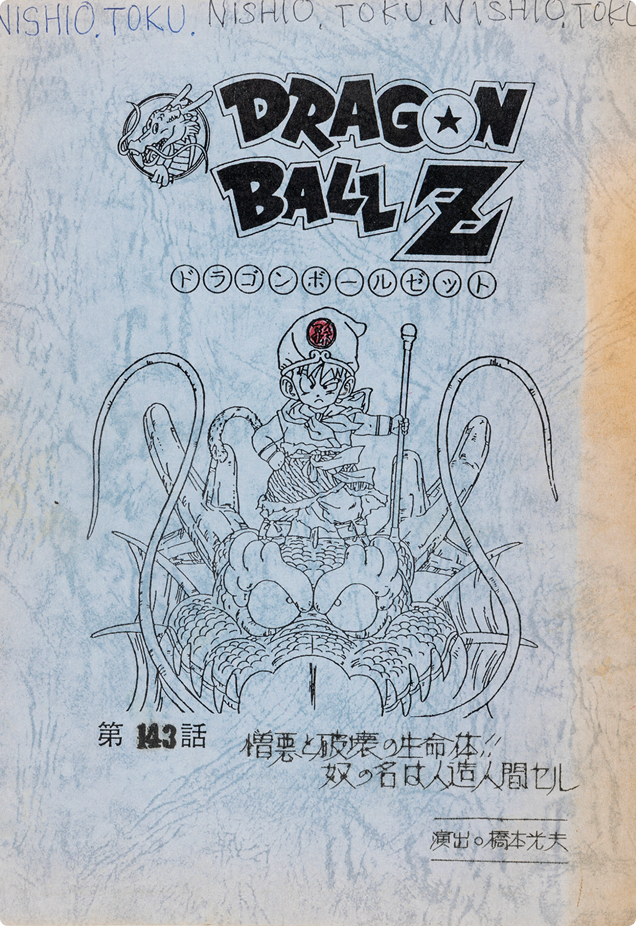
The latest fortnight’s Dragon Ball Z Television Episode Script sale was a reminder that the market does not always move in straight lines. Even inside a hobby built on familiar hierarchies, unusual material can break through and take the spotlight. That does not mean the old rules are gone. It means the field around them is widening.
Because when the weird stuff wins, it usually reveals something the clean version of the market misses: collectors are chasing meaning as much as category.
And meaning has always been harder to box up.