Why are the post-2000 keys earning real market weight?

For a long time, the comic market’s centre of gravity was easy to identify. The Golden Age meant history. Silver Age meant blue-chip prestige. The Bronze and Copper Ages meant first appearances, iconic covers, and deep collector familiarity. If a book sat outside those classic zones, it often had to fight harder for legitimacy.
That is no longer the full story.
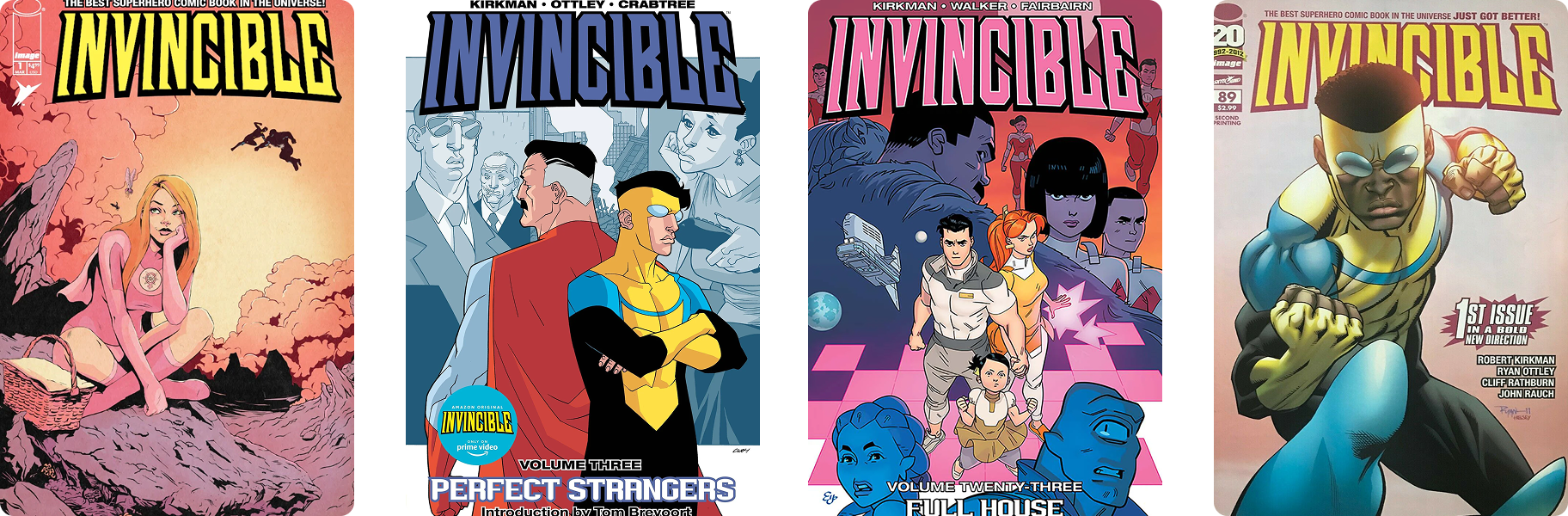
Recent CGC market data keeps showing the same thing: newer books are not just appearing in the market; they are beginning to carry real weight there. And few titles illustrate that shift more clearly than Invincible.
In the most recent Top of the Stack fortnight, Invincible (2003) led the 2000s in both volume and dollar sales, with $56,653 in sales. That is not a fluke headline or a one-off spike. It is part of a larger pattern. Invincible keeps surfacing as one of the strongest post-2000 titles in slabs, standing alongside older, more established books with a confidence that would have seemed unlikely just a few years ago.
What makes that so interesting is not just that Invincible sells. It is what its performance says about the market itself.
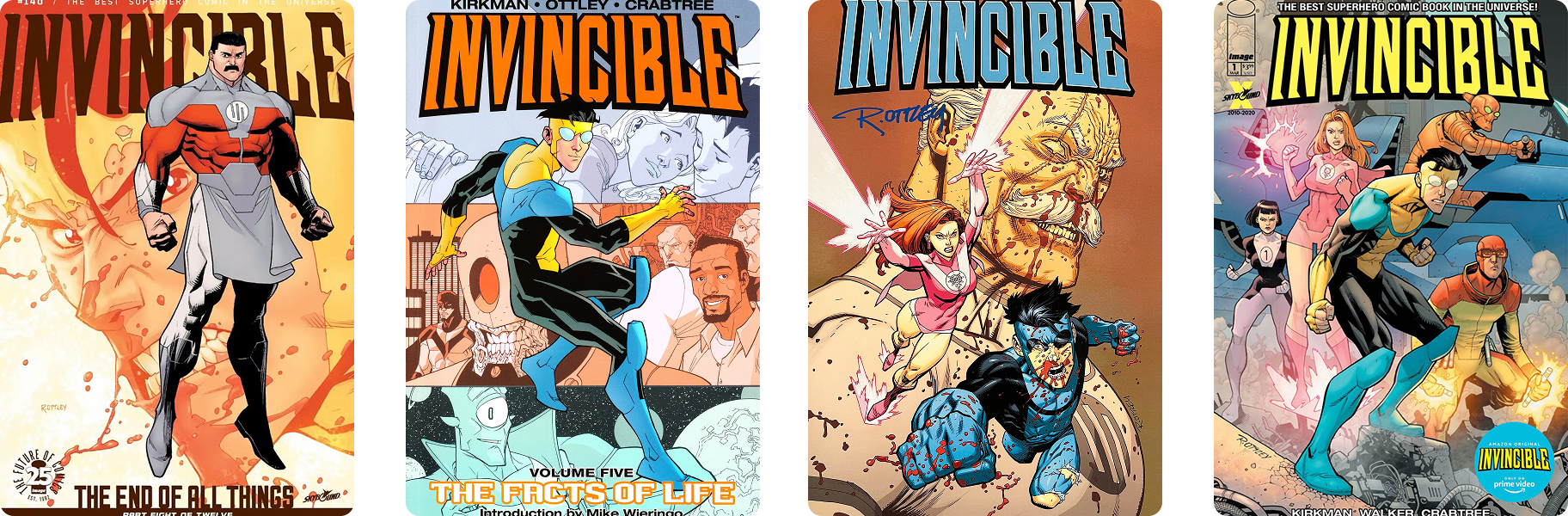
Newer Canon Is Becoming Real Canon
Older keys still dominate the hobby’s mythology. That has not changed. Amazing Spider-Man, Fantastic Four, X-Men, Batman, and Hulk remain the market’s deep foundations. But what has changed is collectors' willingness to treat newer books as more than just temporary heat.
There was a time when modern books were often discussed with a shrug. Too new. Too available. Too manufactured. Too obviously speculative. Some of that scepticism was justified. The modern era is full of books that ran hot for a minute and cooled just as fast.
But the books that survive that churn begin to look different.
They stop behaving like a novelty. They start behaving like canon.
That is where Invincible has quietly become one of the most important modern examples. It has a clear creator identity. A devoted readership. A recognisable visual and narrative world. Key early issues. Character-driven appeal. Adaptation fuel. Long-term cultural staying power. Most importantly, it has moved from a book people liked to one people actively hunt.
That is the shift that matters.

Why Invincible Works
Part of Invincible’s strength is that it sits at the meeting point of several kinds of demand.
First, it has story significance. This is not a book remembered for one gimmick or one cover. It built a real following through narrative momentum, character investment, and a reputation that grew over time. That gives the title a sturdier base than books that exist only as first-appearance checklists.
Second, it has creator-driven legitimacy. In a market often shaped by corporate universes, Invincible feels distinct. It is tied to a strong creative identity, which gives it the kind of integrity collectors often respond to once a title matures.
Third, it has adaptation power. Modern media attention can distort comic prices, but it can also confirm relevance. When a newer title survives the adaptation cycle and still commands demand, it has crossed into a more durable category.
And finally, it has issue-level collectibility. A title needs more than brand recognition to matter in slabs. It needs books that people want to buy individually. Invincible has managed to build that issue-level interest, which is what turns admiration into transactions.
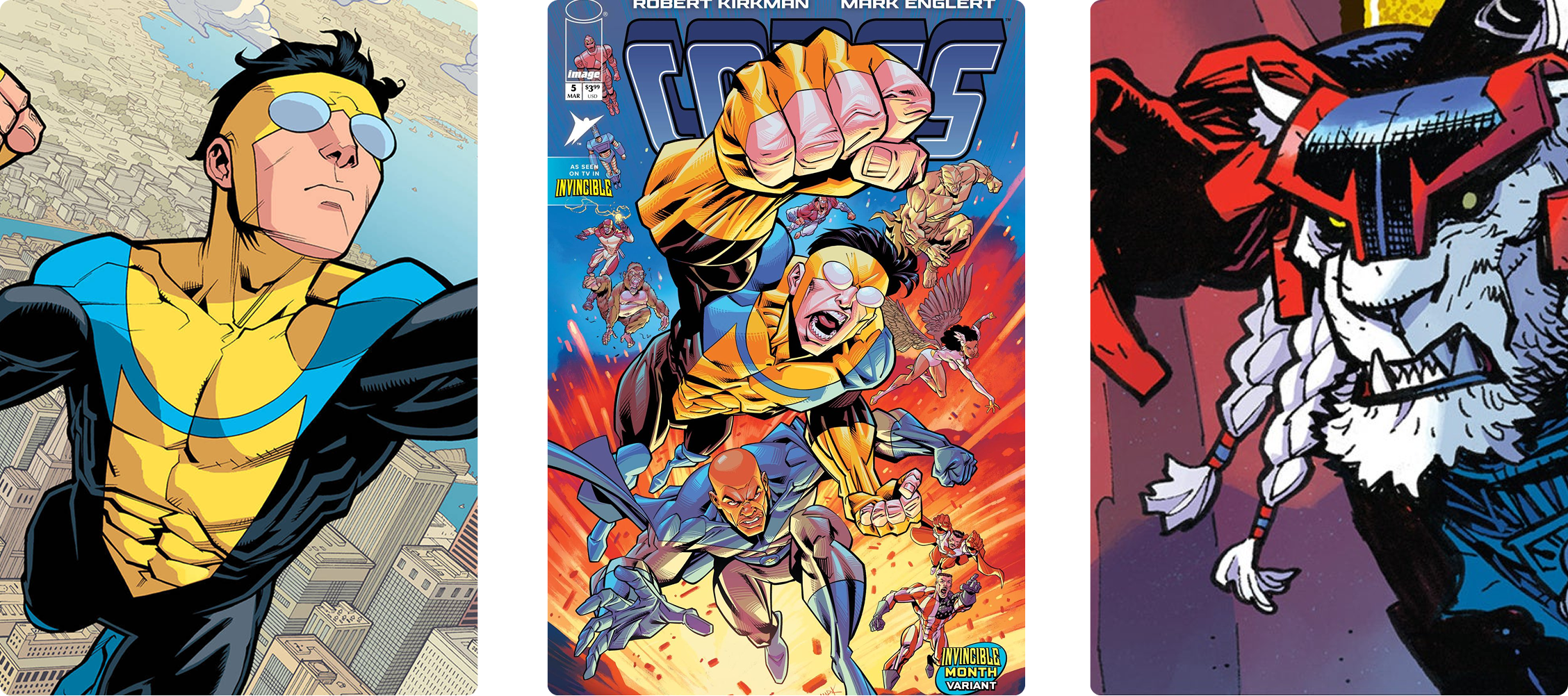
The Rise of Post-2000 Confidence
Invincible is not standing alone. It is part of a wider market movement in which post-2000 books are no longer treated as outsiders.
You can see it in the way collectors now talk about certain modern keys. They are no longer always framed as recent books that might one day matter. Some already do. The market has had enough time to test them, overhype them, punish weaker examples, and reward the ones that endure.
That process matters.
It means the market is starting to separate true newer canon from the noise.
For years, modern collecting often felt like a blur of launch buzz, ratio variants, movie speculation, and hot issue lists that changed by the week. Some of that still exists, especially in the newest end of the market. But beneath that churn, a quieter layer has emerged: books that keep showing up because collectors have decided they belong.
Invincible belongs.
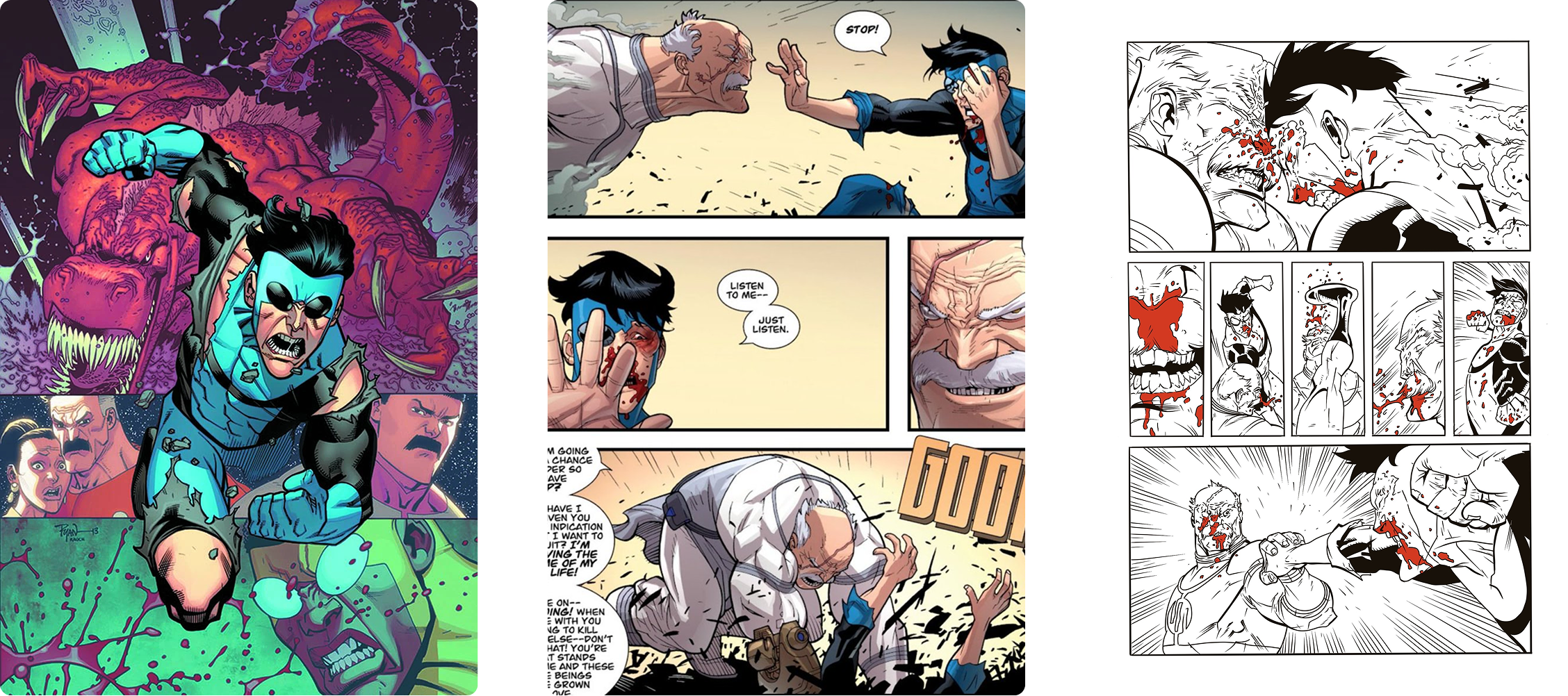
What This Means for the Market
The rise of books like Invincible says something broader about today’s CGC market. It suggests the hobby is becoming more layered, not less.
The old hierarchy still matters. Golden, Silver, Bronze, and Copper Age pillars are not going anywhere. But the market no longer relies solely on old mythology to sustain attention. It is gradually building its own mythology.
That is healthy.
A collectible market cannot live forever on inherited importance alone. It needs renewal. It needs titles that newer collectors grew up with. It needs books that feel foundational to a different generation. It needs fresh canon.
That does not mean every modern book will get there. Most will not. But the ones that do tend to share the same traits: strong story identity, lasting readership, recognisable keys, and enough cultural force to stay visible after the hype cycle has moved on.
Invincible checks those boxes.
More Than a Modern Winner
The easiest mistake is to look at a title like Invincible and file it under modern heat. That undersells what is happening.
This is not just a newer book doing well for now. It is a newer book that is beginning to act like an established collectible. It is earning repeat market respect. It is posting the real dollar weight. It is surviving beyond novelty. And it is doing that in a hobby still dominated by some of the most powerful legacy titles in pop culture history.
That is not small.
Because when a post-2000 book consistently leads its decade, it is not just winning a category. It is making a case for its place in the long arc of comic-book collecting.
And that may be the bigger story here.
Invincible is not simply hot. It is becoming part of the market’s accepted canon.
Final Panel
The comic market still revolves around its giants, but the circle is widening. Titles like Invincible show that newer books can do more than flash, spike, and fade. They can settle in. They can build collector trust. They can develop issue-level demand and lasting relevance. In other words, they can become part of the hobby’s real furniture.
For years, collectors asked which modern books might last. Increasingly, the market is starting to answer.
And one of the clearest answers is Invincible.