The most frequently traded comics aren’t always the ones generating the most money. And sometimes, a single sale can change the financial picture of an entire decade. Both observations were particularly relevant to the CGC-graded comic market between October 5 and October 18, 2026.
Across 19,091 books sold, GPAnalysis recorded $6,709,282 in transactions, with a median sale price of $100. Yet those figures hid extraordinary differences in how collectors traded and spent over ten decades of publishing history.
A $1.3 million copy of Action Comics #1 accounted for almost one-fifth of the fortnight’s reported sales. Elsewhere, the 1960s saw substantial spending across several major Marvel publications, the 1990s produced remarkably close financial competition, and Absolute Batman dominated contemporary titles. Beyond the headline figures, the market shows that trading popularity, historical significance, and financial value don’t always align.
Here, we examine the most interesting findings from each decade, from the earliest superhero publications and pulp magazines through to the comics being collected today.
For complete rankings, including the five most-traded titles, five highest-selling titles, and five most-traded individual issues for each decade, explore our accompanying Top of the Stack: Best-Selling CGC Comic Titles by Decade (October 5–18, 2026) report.
Source: GPAnalysis.com, sales recorded from October 5–18, 2026.
1930s: When One Comic Changes Everything
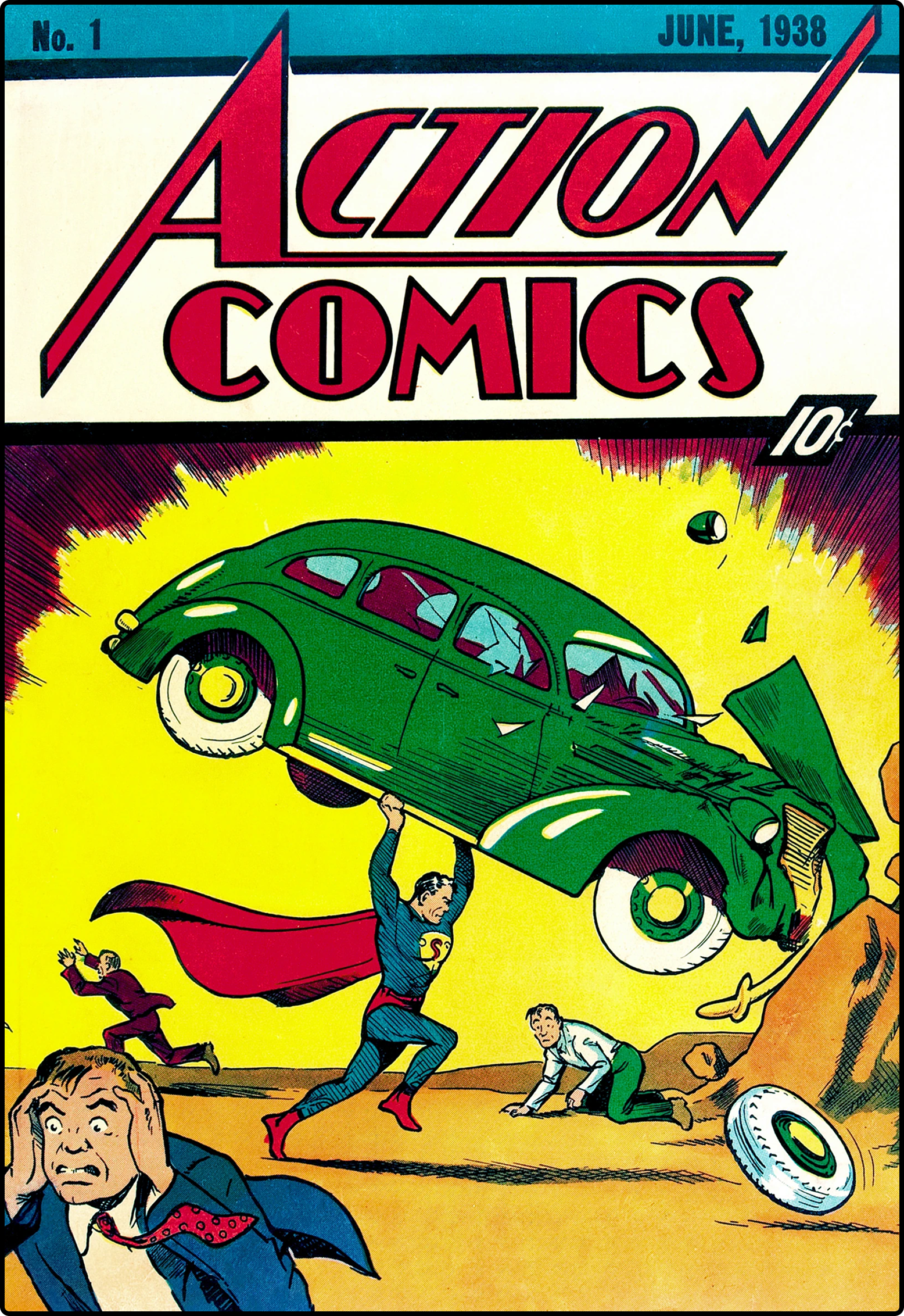
The 1930s produced the fortnight’s clearest example of trading popularity and financial performance moving in completely different directions.
Weird Tales led the decade by volume, followed by Shadow and Super Comics. These publications reflect the importance of pulp fiction and early comic publishing to the period's surviving collectable material.
Financially, however, Action Comics dominated the decade. Its reported $1,300,062 in sales accounted for 98.1% of the decade’s combined Top Five title sales. The $1.3 million sale of Action Comics #1 was responsible for virtually all of that amount.
The contrast is striking within this particular dataset. The most frequently traded publications were not the ones responsible for the decade’s financial result.
1940s: Batman Leads, but There’s More to the Story

The 1940s presented a more balanced financial picture, with Batman leading both trading volume and sales. Its $54,558 total accounted for about 42.4% of the decade’s combined Top Five title sales, putting it comfortably ahead of Superman at $23,966. However, Phantom Lady followed closely with $22,066 despite not appearing among the five most-traded titles.
That third-place financial ranking is particularly noteworthy. It illustrates how a publication can attract meaningful spending without matching the trading frequency of more recognisable superhero titles.
The issue-level rankings also reveal a wider collecting landscape. Two Batman issues took the top spots, but The Spirit, Dynamic Comics, and Thrilling Comics rounded out the list, showing that trading activity extended beyond the decade’s best-known characters.
Popularity ≠ Spending
The most frequently traded comic title isn't always the one generating the most money. Across ten decades, four had different leaders in trading volume and sales value.
decades had different leaders
The $1.3 million sale of Action Comics #1 overwhelmingly influenced the decade's financial result.
Batman led trading volume, but Showcase generated the decade's highest title-level sales.
Amazing Spider-Man was the most frequently traded title, while Incredible Hulk generated the most sales value.
Invincible led the decade by trading frequency, but Ultimate Fallout attracted the greatest spending.
1950s: Popularity and Value Take Different Paths
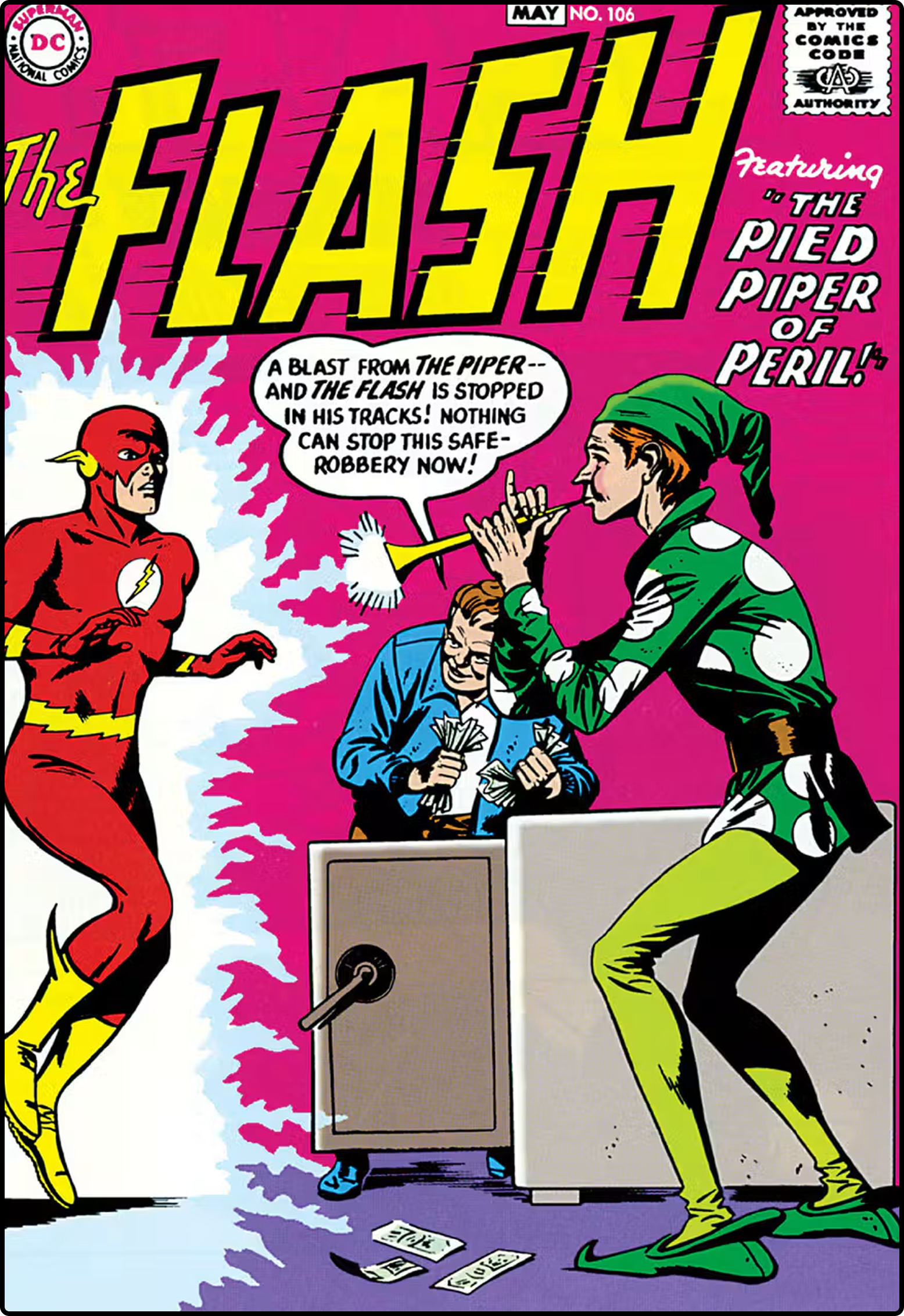
Few decades illustrate the difference between popularity and financial value as clearly as the 1950s.
Batman was the most-traded title, yet finished fifth in sales with $11,617. Showcase, which did not appear among the volume leaders, generated $56,534 and secured first place financially.
The result matters especially to collectors familiar with Showcase's role in the emergence of Silver Age superhero comics. Its early appearances of important DC characters helped establish the publication’s place in comic book history.
The most-traded issue rankings reinforce that collecting interest extended beyond the familiar Batman and Superman titles. The Flash #106 led the list, while Showcase #22, associated with the Silver Age Green Lantern, also appeared.
With Action Comics, Mad, and Authentic Police Cases rounding out the top financial rankings, the decade’s sales reflected a varied range of collecting interests.
1960s: Marvel’s Biggest Names Share the Spending
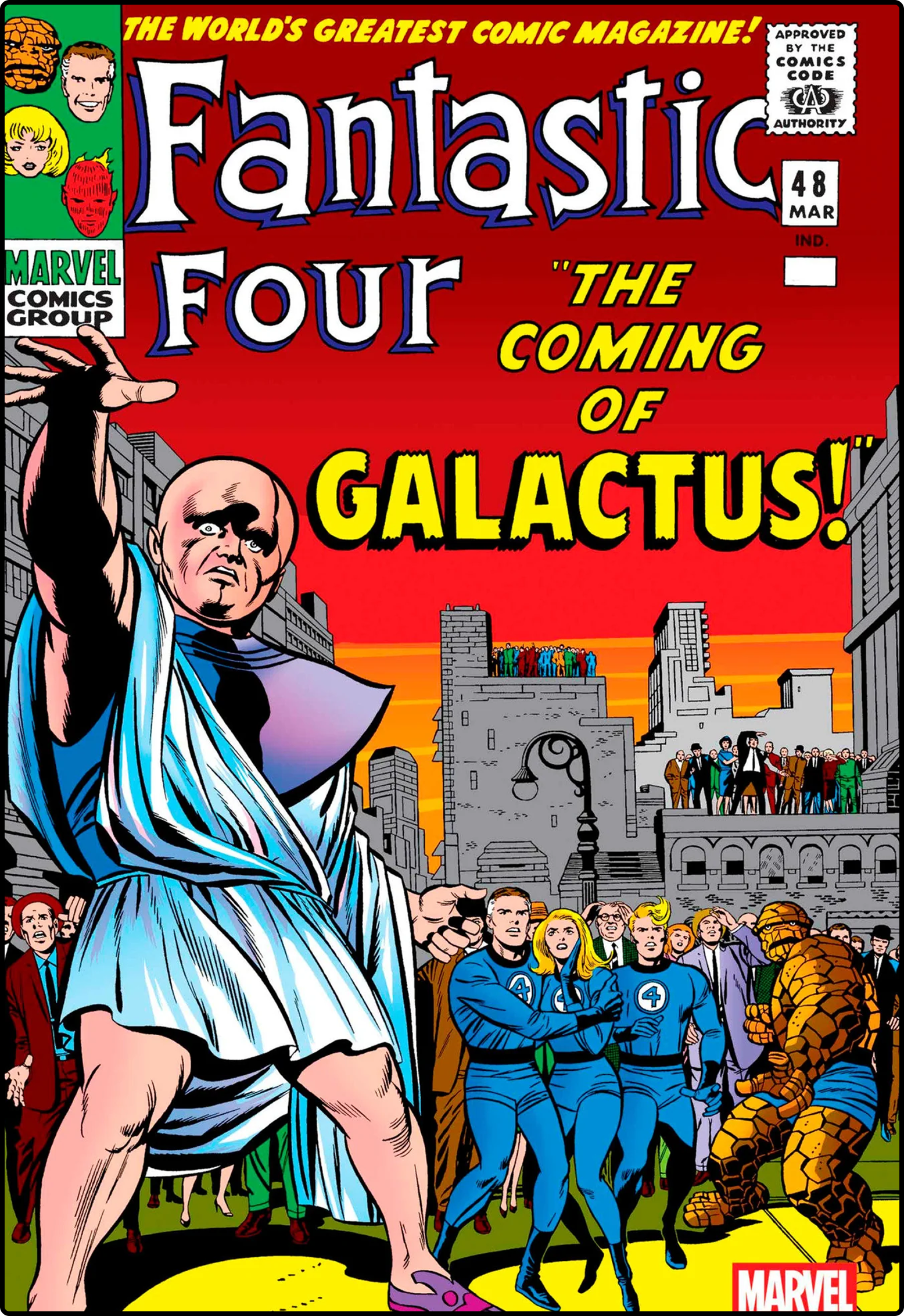
While the 1930s claimed the largest combined Top Five sales total, the 1960s produced the strongest result outside that decade, generating $889,317 across its five highest-selling titles.
Amazing Spider-Man led with $363,474, but several major Marvel publications shared the financial activity. Fantastic Four contributed $186,809, while X-Men added $162,144. Together, these three titles accounted for approximately 80.1% of the decade’s Top Five sales.
Unlike the 1930s, where one transaction overwhelmingly shaped the financial rankings, the 1960s displayed substantial contributions from multiple titles.
The most-traded issues also reflected the importance of major Marvel character appearances. Fantastic Four #48, Avengers #57 and Amazing Spider-Man #14 all appeared among the leading individual issues, alongside two other recognisable Spider-Man and Silver Surfer publications.
1970s: The Hulk Outspends Spider-Man
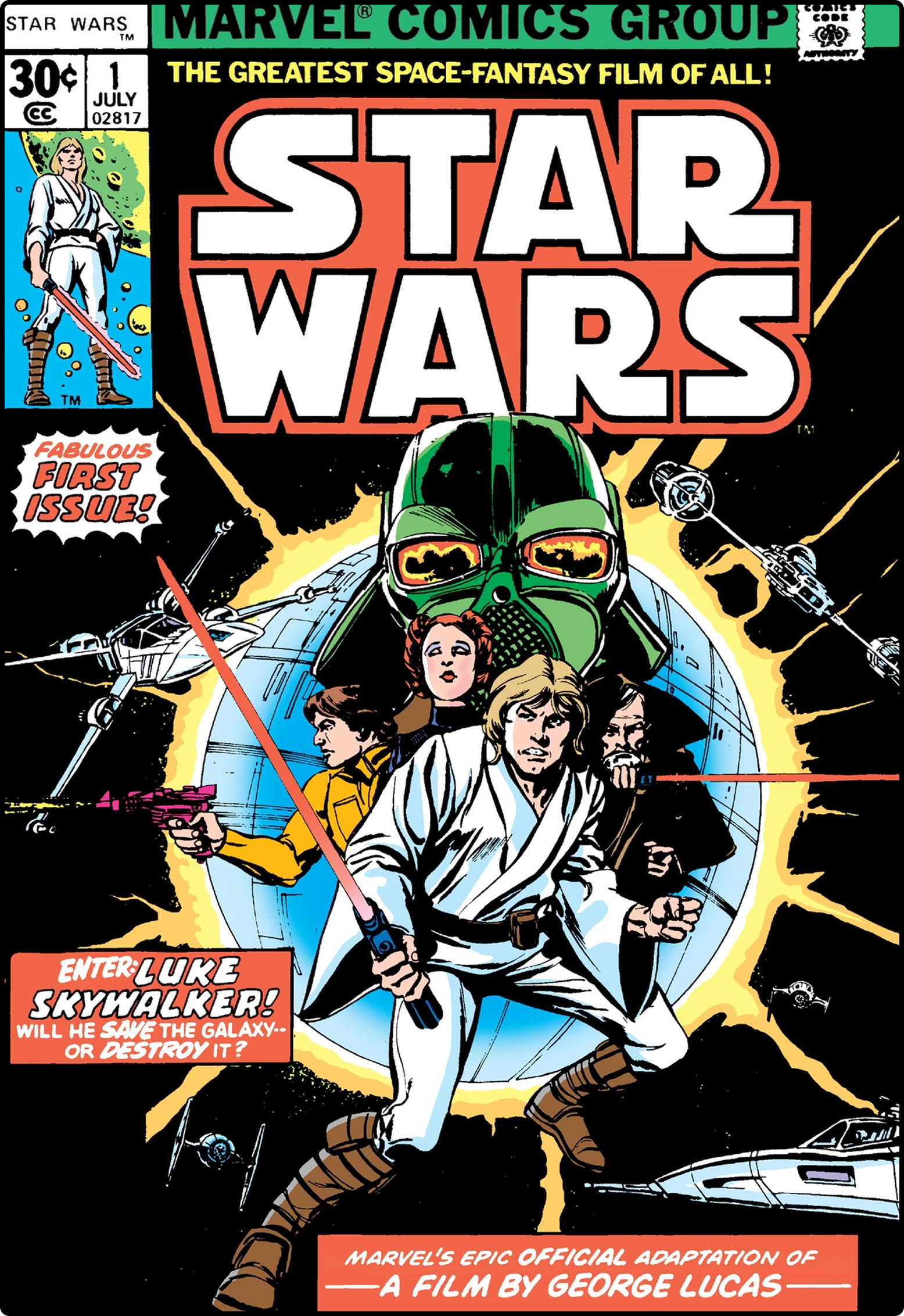
Amazing Spider-Man remained the most frequently traded title of the 1970s, but The Incredible Hulk generated the highest sales value.
The Hulk’s $198,382 placed it approximately $70,000 ahead of Spider-Man’s $128,329. Together, the two publications represented more than 63% of the decade’s combined Top Five title sales.
The individual issue rankings offer some useful context. The Incredible Hulk #181, associated with Wolverine’s first full appearance, ranked third among the most-traded issues. It appeared alongside Amazing Spider-Man #129, another major Bronze Age character debut.
Yet neither issue led the trading rankings. Star Wars #1 held that position, reflecting the presence of licensed entertainment properties alongside Marvel’s established superhero publications.
The decade therefore combined strong financial results for superhero titles with broader trading activity across several influential properties.
Explore the complete 1930s–1970s rankings: See which publications led trading volume, which generated the most sales, and which individual issues collectors traded most frequently in the full Top of the Stack report.
1980s: Spider-Man’s Black Costume Takes Centre Stage

The 1980s brought Amazing Spider-Man back to the top of both volume and sales rankings, with $116,811 in reported sales.
However, Marvel Super Heroes Secret Wars ranked just behind it. The series ranked third in trading volume and second in sales, generating $52,740.
Secret Wars #8 reinforced its presence, leading the decade’s most-traded issue rankings. The comic’s association with Spider-Man’s black costume gives it particular significance in the character's collecting history.
Two additional Spider-Man issues, #300 and #252, followed closely, placing three important black-costume and Venom-related publications among the decade’s most frequently exchanged individual books.
The results suggest that although Spider-Man’s original series remained the main financial contributor, collecting activity also clustered around specific stories and character developments from the period.
1990s: Five Titles, No Clear Financial King
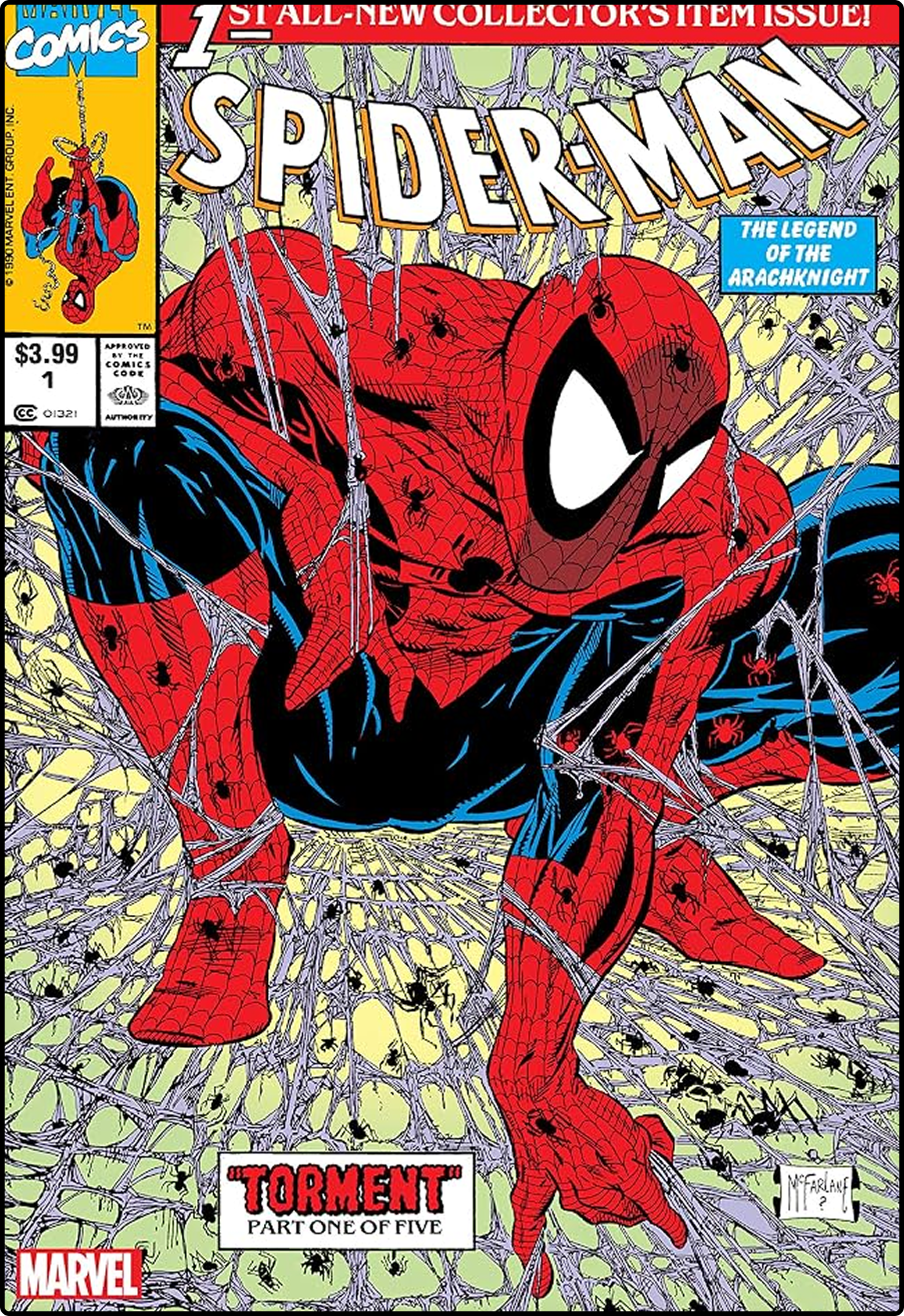
The 1990s offered one of the fortnight's most competitive financial rankings, with remarkably little separating its leading titles.
Spider-Man (1990–1998) led both volume and sales, generating $28,478. However, The New Mutants followed with $26,353, while Amazing Spider-Man contributed $24,707.
Across the decade’s five highest-selling titles, the difference between first and fifth place was just $8,832. The leading publication accounted for only 23.4% of combined Top Five sales, the smallest share recorded by a decade leader in this dataset.
The issue rankings also reflected the period’s publishing landscape. Spider-Man #1, X-Men #1, and Spawn #1 took the top three spots, highlighting the prominence of major series launches.
Rather than relying heavily on one publication, the decade’s financial results were distributed across several closely competing titles.
How Dominant Was
the #1 Title?
Some decades were dominated by a single publication. Others saw spending distributed across several leading titles. Here's how much of each decade's combined Top Five sales came from its highest-selling title.
Action Comics
Spider-Man
Absolute Batman
Almost all of the decade's Top Five sales came from Action Comics, driven by the $1.3 million sale of Action Comics #1.
Batman led the decade, while Superman, Phantom Lady, Detective Comics and Pep Comics also contributed to the Top Five total.
Showcase generated the greatest sales value, despite Batman leading the decade in trading volume.
Amazing Spider-Man led a substantial Top Five total, with Fantastic Four and X-Men also generating more than $160,000 each.
Incredible Hulk generated the highest sales value, ahead of Amazing Spider-Man and X-Men.
Amazing Spider-Man led both trading volume and sales value, accounting for nearly half of the decade's combined Top Five sales.
The smallest leading-title share of any decade. Just $8,832 separated the first- and fifth-ranked titles by sales.
Invincible accounted for approximately half of the decade's Top Five sales, ahead of Walking Dead, Batman, Spawn and Amazing Spider-Man.
Ultimate Fallout led sales, but Detective Comics, Invincible and Edge of Spider-Verse also made substantial contributions.
Absolute Batman generated more than seven times the combined sales of the other four titles in the decade's Top Five.
Leading title's share
Leading title's share
The 1990s had the most evenly distributed Top Five sales, while the 2020s were overwhelmingly concentrated in Absolute Batman. A difference of 64.2 percentage points separates their leading-title shares.
2000s: Invincible and The Walking Dead Lead the Way
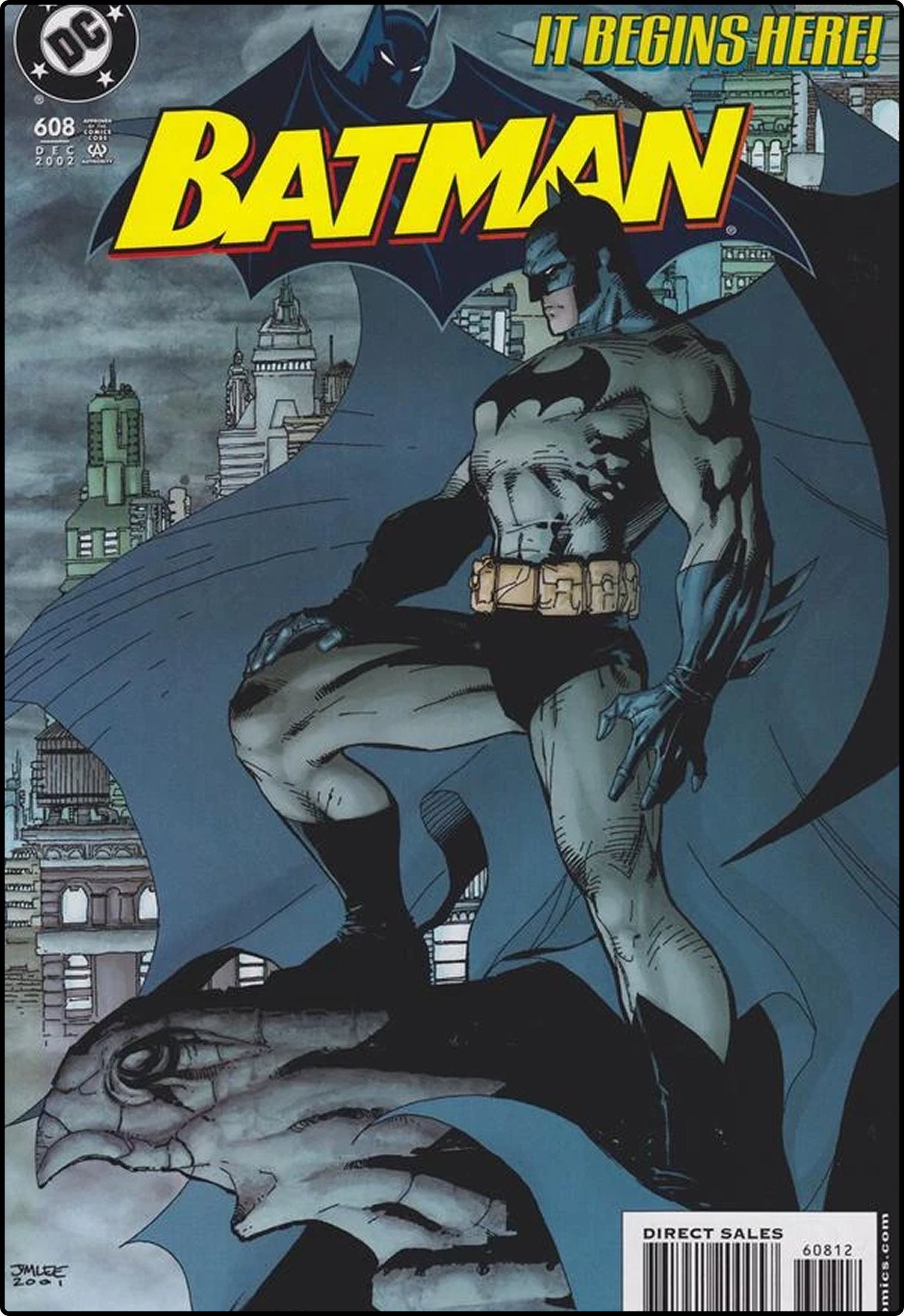
Invincible led the 2000s in both trading volume and sales, generating $38,646 and accounting for approximately half of the decade’s combined Top Five title sales.
The Walking Dead followed with $13,659, giving two creator-owned properties the top financial spots ahead of Batman, Spawn, and Amazing Spider-Man.
That distinction makes the decade particularly interesting. While established superhero titles remained visible in both rankings, publications tied to a different generation of comic book storytelling posted the strongest financial results.
The most-traded individual issues offered a contrasting perspective. Batman #608 ranked first, while Invincible #1 ranked fourth. Other entries included Catwoman #51 and Hulk #1.
The result shows how the most frequently traded individual issues can differ sharply from the publications generating the highest combined sales.
2010s: New Characters, Different Financial Leaders
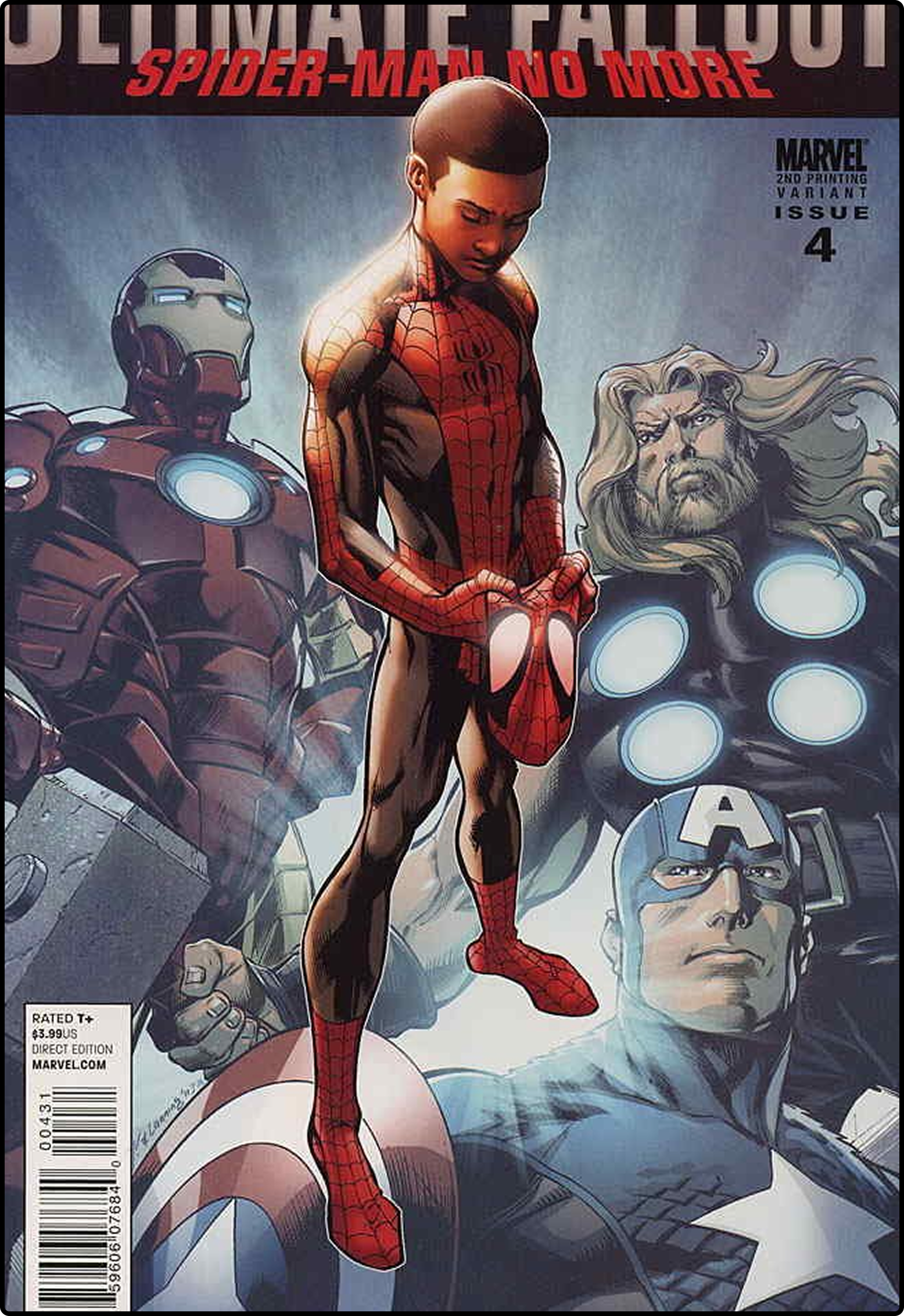
The 2010s presented another clear separation between trading frequency and financial value.
Invincible led the decade by volume, yet Ultimate Fallout generated the greatest sales total at $23,276. Detective Comics followed with $16,861, while Invincible placed third financially at $14,603.
The issue-level rankings help explain why certain publications remain important to collectors. Ultimate Fallout #4, featuring the first appearance of Miles Morales, led the most-traded issues. Edge of Spider-Verse #2, tied to Spider-Gwen’s debut, also ranked among the five most frequently traded.
Alongside these Marvel publications, Something is Killing the Children appeared in both the sales and issue rankings.
The financial results were relatively evenly distributed, with the leading title accounting for 29.8% of combined Top Five sales. This was another decade in which no single publication overwhelmingly dominated reported spending.
2020s: Absolute Batman’s Extraordinary Advantage
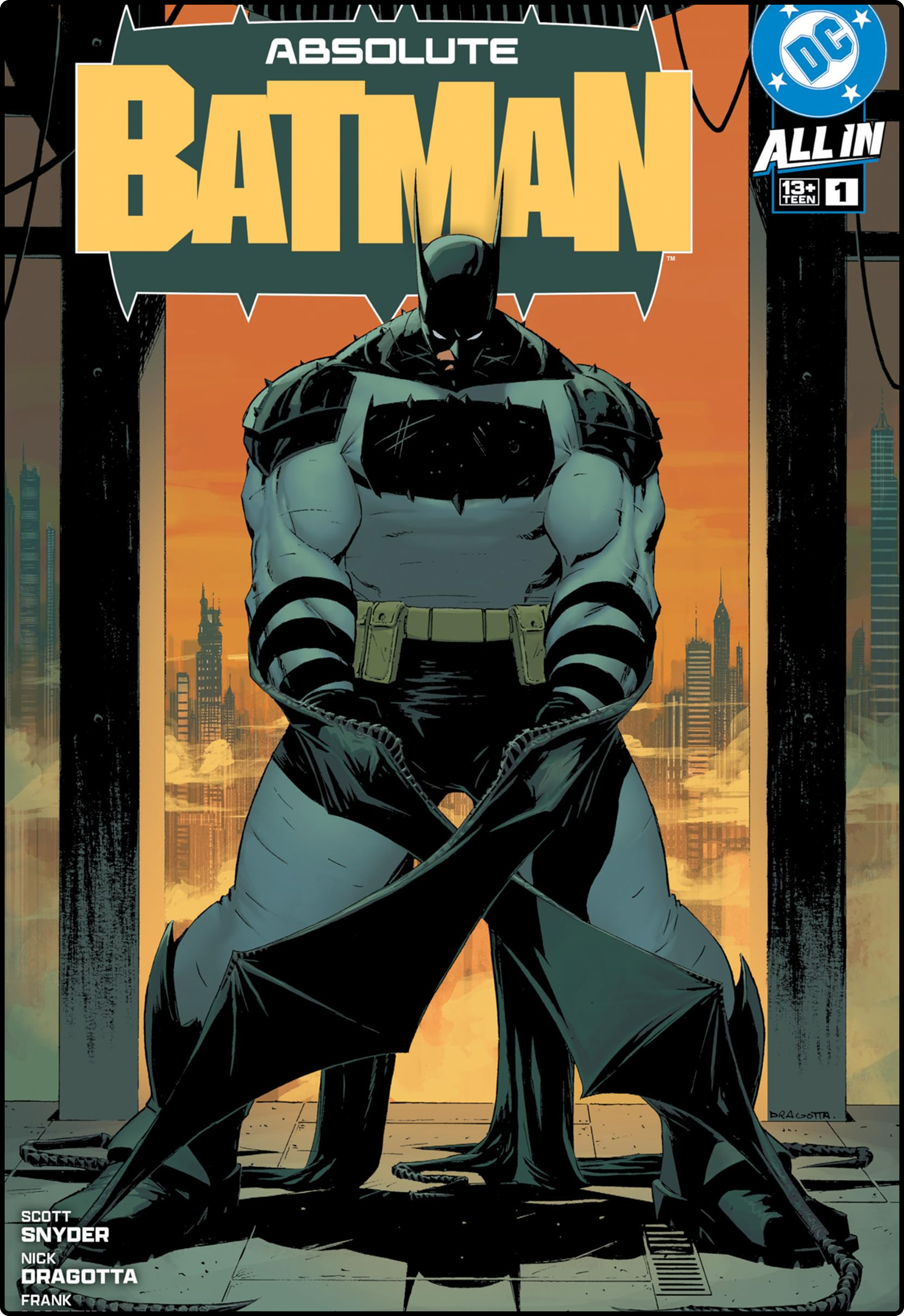
The 2020s delivered one of the fortnight’s most concentrated financial results, with Absolute Batman occupying a commanding position.
The title led both volume and sales, generating $206,876, compared with just $8,865 for the second-ranked Amazing Spider-Man (2022).
Across the decade’s five highest-selling titles, Absolute Batman accounted for approximately 87.6% of reported sales. Only the 1930s, heavily influenced by the exceptional Action Comics #1 transaction, recorded a greater concentration.
Its presence was equally prominent at the individual issue level. Four of the five most-traded issues belonged to Absolute Batman, including #1, #19, #15 and #20.
Although other contemporary publications appeared in the rankings, none approached Absolute Batman financially. Within this reporting period, the title was the clear leader in both trading activity and reported spending.
Absolute Batman
Versus Everyone Else.
One title accounted for almost nine-tenths of the 2020s' combined Top Five sales. Its presence was just as striking in the individual issue rankings.
Absolute Batman generated approximately 7.1 times the combined sales of the other four titles in the decade's Top Five.
Four of the Five.
Absolute Batman occupied four positions among the five most-traded individual issues from the 2020s. Explore the rankings below.
from the 2020s.
from the 2020s.
from the 2020s.
from the 2020s.
from the 2020s.
Absolute Batman didn't simply lead the 2020s. It dominated both the decade's Top Five sales and its most-traded individual issue rankings.
Beyond the Rankings: What This Fortnight Tells Us
Looking across ten decades of CGC-graded comic sales, the most revealing observation is how differently financial activity can be distributed.
The 1930s achieved the largest combined Top Five title sales total, but almost all of that money came from Action Comics. The 1960s saw substantial spending across several major publications, while the 1990s showed how closely five leading titles can compete financially.
Contemporary comics presented another contrast. Absolute Batman accounted for the vast majority of the 2020s’ Top Five sales, despite competition from several other modern publications.
These results remind us that no single measure captures collecting activity. A publication can lead in trading volume without generating the most money, while another can achieve considerable financial value through relatively few transactions.
For collectors, these distinctions offer a more complete view of the market than any headline sale or ranking.
The observations explored here represent only part of the fortnight’s reported activity. Our complete Top of the Stack report includes the underlying rankings, letting readers examine the titles and individual issues behind each decade’s results.
Want to see the complete market data?
Read Top of the Stack: Best-Selling CGC Comic Titles by Decade (October 5–18, 2026) for the full GPAnalysis breakdown, including:
The five most-traded titles from every decade.
The five highest-selling titles and their exact sales figures.
The five most-traded individual issues for each decade.
The fortnight’s overall market statistics and highest individual sale.
Explore the complete rankings and discover where your favourite comics appeared.